WW/OCEANFREIG
Qeshm Strike Raises Hormuz Tanker Risk as Brent Nears $94
U.S. strikes on an Iranian missile site near Hormuz pushed Brent toward $94 a barrel. Vessel attacks, threats to civilian infrastructure and stalled diplomacy leave tanker and freight risks elevated.
- Desk
- Ocean Freight
- By
- Amara Osei
- Filed
- Length
- 630 words
- Read
- 3 min
Key points05
- On Tuesday, U.S. warplanes struck an IRGC missile launch site on Qeshm Island; Mehr reported no casualties or damage to critical infrastructure.
- Brent crude rose toward $94 a barrel and remained more than 50% higher for the year.
- The strike followed Iran’s third attack on Bahrain in less than a week.
- U.S. forces had made limited strikes on Qeshm earlier in the month, aimed at helping tankers and other vessels transit Hormuz safely.
- Qatar was due to meet Iranian representatives Tuesday; neither side showed willingness to compromise on the naval blockade or nuclear program.
By Amara Osei
U.S. warplanes struck an Iranian missile launch site on Qeshm Island on Tuesday, pushing Brent crude toward $94 a barrel, more than 50% higher for the year.
The target was an Islamic Revolutionary Guard Corps site, according to an unnamed U.S. military official, who said the attack responded to Iranian aggression against U.S. personnel and assets. Earlier Tuesday, Iran’s semi-official Mehr News Agency reported that U.S. forces struck several Qeshm locations, with no casualties or damage to critical and public-service infrastructure.
Qeshm lies off Iran’s southern coast near the Strait of Hormuz, the critical transit point for oil and gas at the center of the conflict. The United States had already launched limited attacks on the island earlier this month, describing them as defensive and designed to help energy tankers and other vessels pass through the strait safely.
Earlier Tuesday, Iran’s parliamentary speaker and lead negotiator with the United States, Mohammad Bagher Ghalibaf, warned that Tehran would retaliate against civilian infrastructure near U.S. and Israeli bases if Washington did the same. His warning followed a New York Times report that Iranian water infrastructure sites may have been developed to support the military buildup and matched a standard Iranian response to perceived U.S. escalation. Ghalibaf called this “prepping the next round on civilian” infrastructure and said: “We’ll apply your logic consistently and even-handedly.”
What does this change for shippers?
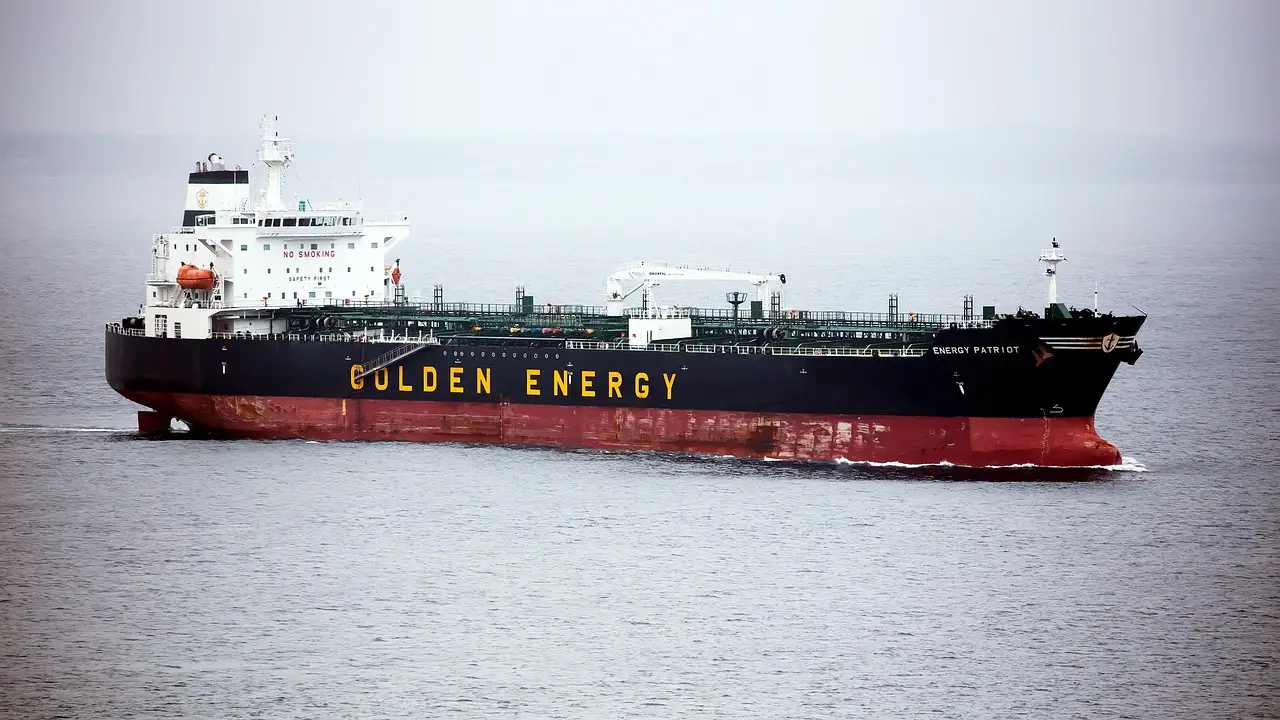
For shippers, carriers and forwarders, the immediate commercial consequence is higher oil prices and less predictable transit planning around Qeshm and Hormuz. The shipping risk is rising faster than the available freight data. No vessel counts, cargo tonnage or port-level capacity figures were reported, so this is a security-risk signal, not a quantified capacity forecast.
For energy cargoes, the immediate exposure is voyage timing and market pricing, not a reported closure of the waterway. Carriers face a tighter operating environment around the strait, while forwarders must stress-test routing and schedule assumptions as attacks on commercial vessels increase. The report documents an oil-price shock and higher passage risk, not a structural capacity loss.
The Qeshm bombing followed Iran’s third attack on Bahrain in less than a week. President Donald Trump separately said the United States was investigating a report of potential Iranian plans to target Washington. Together with increased Iranian attacks on commercial vessels, the incidents suggest intensified low-grade clashes during the wider U.S.-Iran stalemate.
Oil prices had plunged after the Republican defeat in the U.S. midterm elections earlier this month. Fresh flareups then carried Brent toward $94 a barrel, leaving it more than 50% higher for the year. No carrier surcharge or bunker-adjustment figure was reported, so shippers should watch fuel and routing exposure instead of assuming a published rate change.
Becca Wasser, defense lead for Bloomberg Economics, put the military logic in plain terms:
“For both the US and Iran, there’s an operational rationale for their strikes, from reducing threats to their ability to operate in the Strait of Hormuz. But we’ve seen throughout this conflict the mismatch between operational objectives and political realities, where tit-for-tat strikes quickly escalate.”
Qatar, the main mediator between Washington and Tehran, was due to meet Iranian representatives on Tuesday, part of a long-running effort to find a diplomatic off-ramp. Neither side has shown willingness to compromise on issues that could open a route to resolution, including lifting the U.S. naval blockade or securing Iranian concessions on the nuclear program.
Qatar’s meeting is the next policy test. Without movement on the blockade or nuclear issues, the evidence points to continued oil-price and vessel-risk volatility around Hormuz, not stable passage conditions.
Original: mehrnews.com
More from Amara Osei
Show full bio
Staff writer covering regulation, policy and their impact on Ocean and air freight, container shipping at Waybill Wire.
961 articles
Related05
Gulf markets rise, but Hormuz attacks keep freight risk elevated
IRGC claims two tankers ablaze in Strait of Hormuz mine incidents
Brent Above $100 as Vance Blames Iran War for GOP Midterm Loss
Three Tankers Burn in Strait of Hormuz as US Air Strike Disables Blockade Runner
Two Tankers Hit in Strait of Hormuz as Iran Claims Mine Strikes