WW/OCEANFREIG
IRGC claims two tankers ablaze in Strait of Hormuz mine incidents
Iran's IRGC says a supertanker hit a naval mine and a second tanker burned separately in the Strait of Hormuz, with no vessel names, flags or casualty details disclosed.
- Desk
- Ocean Freight
- By
- Tom Whitfield
- Filed
- Length
- 654 words
- Read
- 3 min
Key points05
- On 10 November the IRGC claimed two oil tankers caught fire in the Strait of Hormuz, one allegedly a supertanker that struck a naval mine.
- Iran disclosed no vessel names, flags, ownership, crew details or casualty information, and the claims are unverified.
- On 5 November the IRGC separately claimed two oil tankers and a tugboat caught fire in the strait.
- Iran's Persian Gulf Strait Authority, created earlier this year, requires vessels to obtain transit authorisation.
- In October the Singapore-registered container ship GFS Pride sank after a projectile strike near the strait; GFS Giselle was damaged in a separate incident.
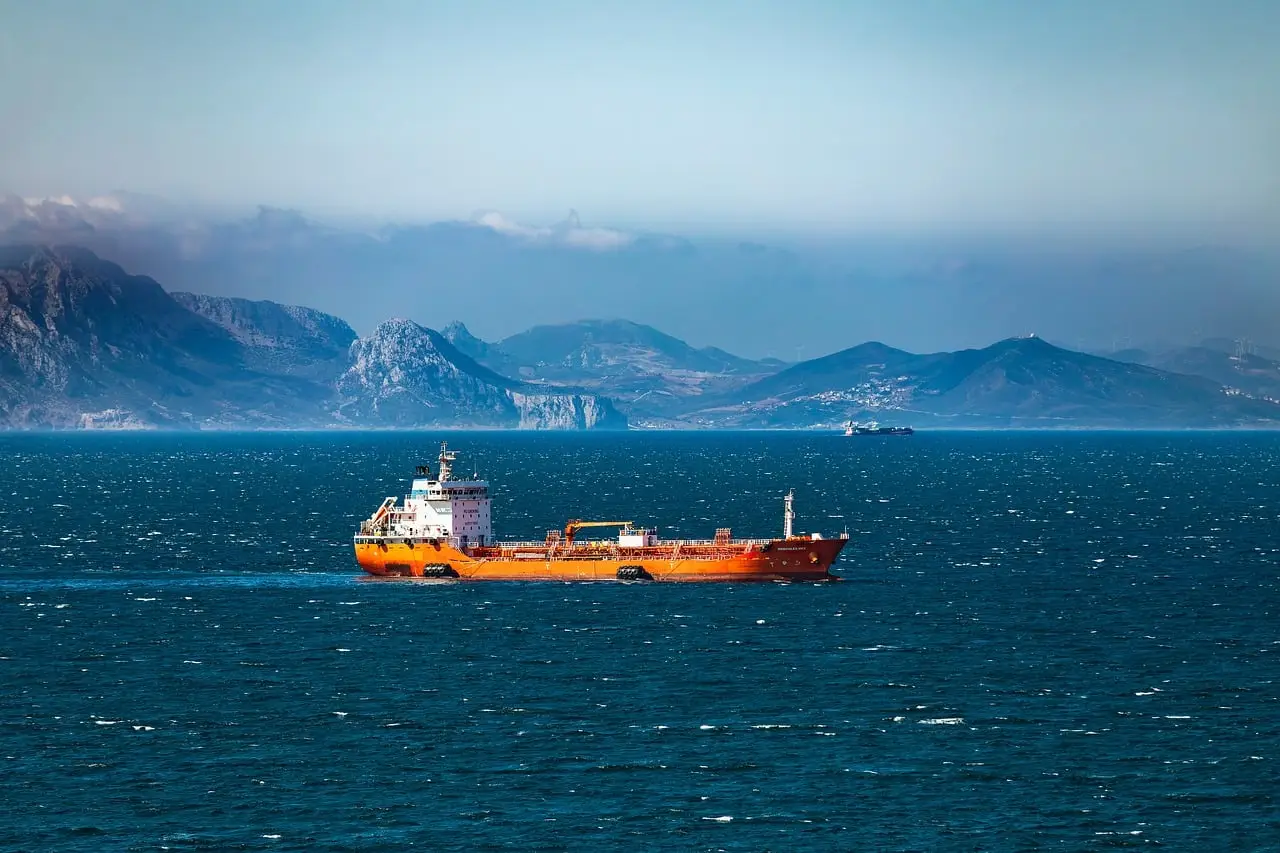
Iran's Islamic Revolutionary Guard Corps said on Tuesday, 10 November, that two oil tankers caught fire after explosions while trying to transit the Strait of Hormuz on routes Tehran has not authorised. One vessel, described as a supertanker, allegedly struck a naval mine. The second reportedly suffered a separate incident while attempting the crossing under what Iran claims was the protection of US military aircraft.
The claim, carried by Iranian news agency Tasnim, has not been independently verified. That matters. Nothing about these incidents has a second source.
What do we actually know?
Very little, and that is the point. Iranian authorities did not disclose the names, flags or ownership of either vessel. They offered no details on crews, potential casualties or the extent of the damage. The alleged US military involvement is likewise unconfirmed.
The IRGC did add one operational detail: it claimed both tankers switched off their navigation and identification systems before attempting the passage. If true, that suggests the vessels were running dark — a practice shippers use to avoid tracking, but which also strips them of AIS-derived safety cover in a mined waterway. The statement said both ships ended up immobilised and burning near the southern coast of the strait.
A pattern, not a one-off
Tuesday's announcement fits an established sequence. On 5 November, the IRGC reported that two oil tankers and a tugboat caught fire in separate incidents in the strait. Further claims followed in subsequent days involving vessels striking naval mines.
Because Iran keeps withholding vessel identities, nobody can say whether the 10 November incidents are entirely new events or a re-description of earlier ones. For carriers and their insurers, that ambiguity is the problem. You cannot price risk on a claim you cannot attribute to a hull.
The authorisation regime behind the incidents
The context is Tehran's attempt to control who passes through the chokepoint. Earlier this year, Iran established the Persian Gulf Strait Authority, a framework requiring vessels to obtain authorisation before transiting the passage. The tankers in Tuesday's claim were, by Iran's own account, using routes the authority has not sanctioned.
The strait connects the Persian Gulf with the Gulf of Oman and remains a critical corridor for international energy shipments. Any tanker traffic through it now faces a layered threat picture: mines, unverified fire incidents and an authorisation regime enforced, apparently, by force.
Commercial shipping already bleeding
Container operators have not been spared. Since the escalation of the regional conflict in late February, commercial shipping has faced mounting security challenges in the area. In October, the Singapore-registered container ship GFS Pride sank after a projectile strike near the Strait of Hormuz. Another Singapore-registered boxship, GFS Giselle, sustained damage in a separate incident.
Those are confirmed losses with names and flags attached. The tanker claims are not — yet. But for operators weighing Gulf calls, the distinction is thin comfort. A sinking container ship and two burning tankers in the space of weeks describe the same trajectory: transits through the corridor are getting more dangerous and less insurable, whether the trigger is a projectile, a mine or an unexplained explosion.
What does this change for shippers?
In the immediate term, uncertainty. Independent confirmation of the tanker incidents remains outstanding, and until vessel identities or casualties surface, the market is left pricing rumour. Expect war-risk premiums for Hormuz transits to stay elevated, expect more owners to weigh the dark-passage gamble against the wait for Iranian authorisation, and expect insurers to press hard on AIS discipline — because a ship that switches off its transponder in a mined strait is a ship few underwriters will stand behind.
With Tehran showing no sign of loosening its authorisation regime, and incidents now reported on a near-weekly cadence, the operating assumption for Gulf-bound tonnage is that the next claim from the IRGC is a matter of when, not if.
Original: tasnimnews.ir
More from Tom Whitfield
Show full bio
Market editor covering companies, deals and strategy in Ocean and air freight, container shipping at Waybill Wire.
923 articles
Related05
Iran Claims New Tanker Mine Strikes in Hormuz, Offers No Evidence
Four Tankers Afire in Strait of Hormuz as IRGC Cites 'Unauthorised Routes'
Two Tankers Hit in Strait of Hormuz as Iran Claims Mine Strikes
Iran Claims VLCC With 2m Barrels Sank After Mine Strikes in Hormuz
Iran warns ships going dark in Hormuz will be treated as hostile