WW/PORTSTERMI
Port of Los Angeles moved 5 million containers in record five months
About 5 million containers moved through the Port of Los Angeles during its record five-month stretch, but a 9,500-container rail backlog shows why record imports do not mean a balanced supply chain.
- By
- Tom Whitfield
- Filed
- Length
- 880 words
- Read
- 4 min
Key points05
- The Port of Los Angeles moved roughly 5 million containers in five months, its strongest stretch in 118 years.
- October exceeded 1 million containers and ranked as the port's second-busiest month on record.
- About 9,500 containers have waited nine days or longer at the BNSF and Phoenix Marine Terminal footprints.
- Los Angeles has recorded 11 months with import volumes of 500,000 TEU.
- Chinese cargo gained share after the February ruling; Shanghai-Los Angeles transit takes 13 days.
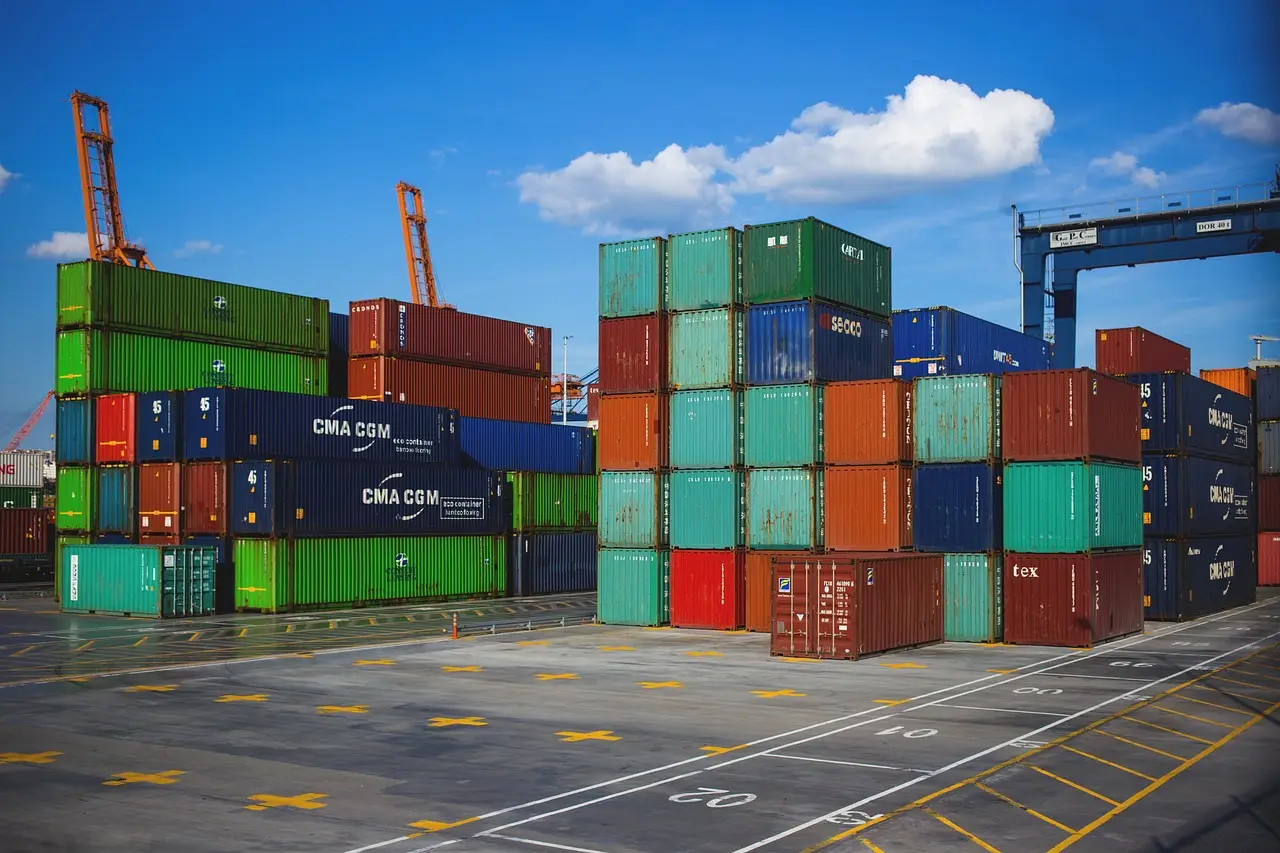
The Port of Los Angeles moved roughly 5 million container units over five months, its strongest stretch in the port's 118-year history. October alone topped 1 million containers, the second-busiest month on record. The operating problem sits just inland: about 9,500 containers have waited nine days or longer at the BNSF and Phoenix Marine Terminal footprints.
Executive Director Gene Seroka credited resilient U.S. consumer demand and a surge in factory imports of parts and components. He also pointed to tariff sequencing. After the Supreme Court's February decision on Section 112 tariffs, which had been applied on a temporary 150-day basis, importers front-loaded inventory before the window closed.
When Section 301 tariffs were reinstated with more stability, volumes climbed again. Shippers could see landed costs more clearly for the first time in roughly two years, Seroka said. That produced another cargo wave, but it also concentrated imports while export legs and empty-container moves failed to keep pace.
China widens its lead
China has been the main beneficiary of clearer landed-cost visibility. Seroka said Chinese cargo volumes have picked up dramatically since the Supreme Court ruling and continue to widen the gap over other Asian exporting nations.
His assessment was direct: “If you put them on a level playing field with other production factory-based countries, they’re gonna win every single time.”
Seroka cited three structural advantages that are difficult to replicate: 40 years of refined supply chains, a 13-day transit from Shanghai to Los Angeles, and more than 100 trains a day departing the Los Angeles Basin.
What does the surge change for shippers and carriers?
For shippers, the policy-driven bursts produced front-loaded orders and repeated volume surges rather than a stable purchasing rhythm. For ocean carriers and freight forwarders, high import throughput creates a different problem: inland rail dwell, equipment scarcity and harder repositioning of empties.
Rail operators cannot fix that imbalance simply by adding trains. Seroka said export and empty-container repositioning has not kept pace, leaving Western railroads to scramble for engine power, crews and rail cars. The result is congestion at the point where cargo should be moving away from the quay.
Record imports strain the rail network
Both BNSF and Phoenix Marine Terminal are working around the clock to clear the backlog, Seroka said. The scale is structural rather than a one-day surge. The Port of Los Angeles has recorded 11 months with import volumes of 500,000 TEU, a threshold he said only one other port has reached once.
That imbalance removes the return traffic needed to balance rail utilization. Export cargo and empty-container repositioning have not matched the import load, so Western railroads must find more engine power, crews and rail cars. The delay pushes congestion inland, where import boxes compete with export boxes and empty repositioning moves for the same capacity.
Farm exports deepen the imbalance
Agricultural commodities — soybeans, No. 5 red wheat, alfalfa, hay, pistachios and walnuts — form the port's largest single commodity grouping. Yet their volumes have remained depressed since 2016, when the first China tariffs took effect.
Seroka said American farmers export two-thirds of their harvest while domestic consumers use only one-third. When Chinese demand fell, buyers shifted toward Brazilian soybeans and Australian almonds; Brazil, Argentina and Australia also took U.S. farm market share. That leaves fewer export containers to fill the backhaul that could balance rail traffic.
The effect runs through the whole supply chain. More imported boxes compete for the same rail capacity, while fewer agricultural loads leave less capacity for repositioning empties. That helps explain how a port can set records and still suffer nine-day-plus container dwell.
Policy uncertainty keeps planning cycles short
The U.S. and Chinese presidents have met four times in the past year, including on the sidelines of APEC in Shenzhen, Seroka said, with another meeting planned for the G20 in Doral, Florida, next month. He called the meeting frequency unprecedented but said substantial work remains.
Tariffs still reshape landed costs. A 50% tariff on metals including steel, aluminum and copper has enabled a handful of domestic producers to raise prices by 48%, Seroka said, spreading costs across importers and consumers. Policy noise therefore reaches factory inputs, retail prices and planning decisions.
After 23 months, Seroka said the data show more trade with China, a wider trade gap and more open manufacturing jobs than existed in January 2025. He used that comparison to argue for longer planning horizons and for industry expertise in policy advisory roles.
“Our planning horizon has been very short for these past 22, 23 months,” he said. “Mostly we’re reacting to these ebbs and flows.”
The next test for rail capacity
The next test is whether stable trade policy can convert record imports into a two-way flow rather than a longer container queue. With China volumes rising, farm exports still subdued and tariffs unsettled, the coming G20 meeting will be watched for any move toward predictability.
Seroka argues that a steadier tariff path would give shippers, carriers and forwarders a longer horizon for booking, inventory and equipment decisions. Continued uncertainty would keep producing the surges he described, along with the rail congestion that follows them.
Original: getfreightdata.com
More from Tom Whitfield
Show full bio
Market editor covering companies, deals and strategy in Ocean and air freight, container shipping at Waybill Wire.
952 articles
Related05
China export surge powers US container imports to fresh monthly high
Tariff thaw leaves ocean freight guessing on rate ceiling
LA and Long Beach Imports Top 1 Million TEUs Again in October
Freightos China–West Coast Index Sets the Tone for Transpacific Spot Rates
Rail-bound imports dwell 7.19 days as US ports face drayage strain