WW/PORTSTERMI
LA and Long Beach Imports Top 1 Million TEUs Again in October
LA–Long Beach imports reached 1,000,500 TEUs in October, just off September's record, as tariff frontloading and AI cargo keep volumes high while exports slide.
- By
- Tom Whitfield
- Filed
- Length
- 628 words
- Read
- 3 min
Key points05
- Combined LA–Long Beach imports totaled 1,000,500 TEUs in October, the second month above 1 million.
- Total container volumes rose more than 20% year-over-year at L.A. and more than 11% at Long Beach.
- Exports fell 7% at L.A. and 6% at Long Beach; empties rose 26% and 13% respectively.
- NRF forecasts imports at major U.S. ports to fall 3% in January versus last year.
- A security workers' labor deadline at both ports is set for Nov. 20.
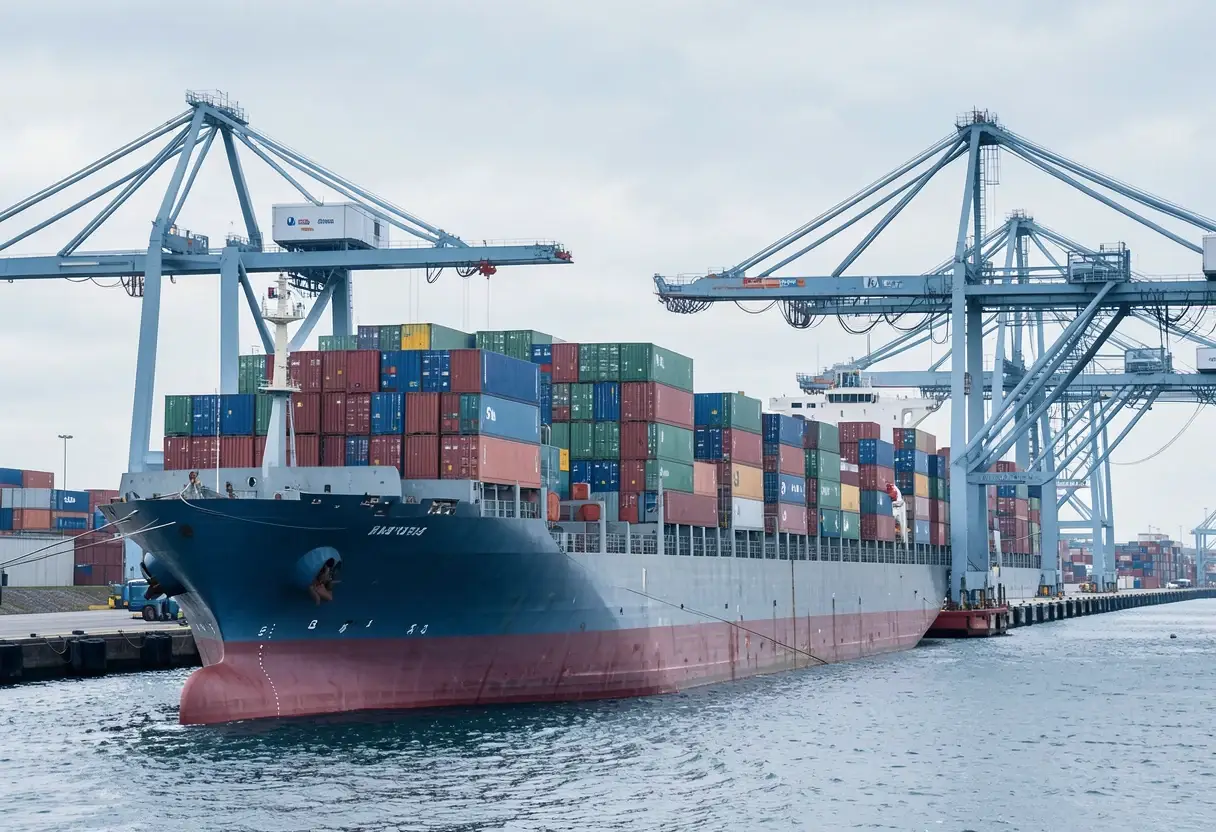
Combined imports at the Port of Los Angeles and the Port of Long Beach hit 1,000,500 TEUs in October — the second straight month above the 1 million mark and just shy of September's all-time high.
The number landed despite a season that should be winding down. Some firms are pulling in goods tied to the AI buildout, while others race to beat tariff deadlines that keep shifting. That mix has kept the busiest U.S. trade hub running near record pace.
The year-over-year gains are steep. Loaded import, export and empty container volumes rose more than 20% at the Port of L.A. and more than 11% at Long Beach compared with October 2024, according to data from the ports themselves.
What's driving the surge?
Port of L.A. Executive Director Gene Seroka on Nov. 12 pointed to four forces: changing trade policy, uncertainty along other global shipping routes, U.S. consumer spending and retailers restocking inventory. In plain terms, shippers don't trust the calendar, so they're buying early.
Port of Long Beach CEO Noel Hacegaba expects the rush to last. He told Bloomberg last week that importers are frontloading goods before a U.S.-China trade truce expires again in January.
"We expect to be busy at least through the first month of the new year and possibly through the first quarter," Hacegaba said. He added that cargo needed to supply the AI boom ranks among the growth drivers — a demand stream less sensitive to tariff timing than consumer goods.
What does this change for shippers?
Not much of it is good news on the landside. Jonathan Gold, the National Retail Federation's VP for supply chain and customs policy, said the volumes have already produced backups, especially for rail-bound cargo at the major West Coast ports.
"Numbers are still strong even as the season winds down," Gold said in a statement earlier this week.
The repositioning data tells its own story. Empty containers moving through the two ports were up 26% at L.A. and 13% at Long Beach — a clear sign that ocean carriers are shifting equipment back toward Asia to chase more eastbound loads.
Exports went the other way. They fell 7% at L.A. and 6% at Long Beach against last year, extending the trade imbalance that leaves U.S. exporters fighting for slots on vessels stuffed with inbound freight.
A strike threat hangs over November
One date matters more than any rate index right now: Nov. 20. That's the deadline for a union of security workers and their employers at the Ports of L.A. and Long Beach to reach agreement. Gold warned of potential disruption to operations if the two sides don't close the gap before then. A related strike threat at the Port of Los Angeles has already been deferred to that same date.
The timing is awkward, to put it mildly. Any work slowdown or stoppage would land mid-surge, while docks are already congested with rail-bound boxes and carriers are still repositioning empties at double-digit rates.
When does it cool off?
The National Retail Federation expects the import surge across several of the busiest U.S. ports to taper through the end of the year, then fall 3% in January compared with the year before. Hacegaba's forecast runs a bit hotter, seeing elevated volumes through Q1 at minimum as frontloading continues ahead of the U.S.-China truce expiry.
So the practical question for cargo owners is sequencing, not volume. The peak is cresting, but a Jan. 1 tariff cliff and a Nov. 20 labor deadline both sit between now and the NRF's projected slowdown — and either one could scramble the schedule.
Source: ttnews.com
More from Tom Whitfield
Show full bio
Market editor covering companies, deals and strategy in Ocean and air freight, container shipping at Waybill Wire.
838 articles
Related05
Long Beach moves 997,177 TEUs in September, its best month in 115 years
LA and Long Beach Move 2.04 Million TEUs in Record September
U.S. Container Imports Cool as August Caps Record Summer Peak
Port of LA Posts New Record, but Seroka Flags Tariff Planning Risk
Port of Los Angeles posts 1,042,652 TEUs, its busiest month ever