WW/OCEANFREIG
Missile strikes sink GFS Pride in Strait of Hormuz; GFS Giselle damaged
Missiles hit two GFS container ships in the Strait of Hormuz within 24 hours; the 2,824-teu GFS Pride sank after catching fire, with all 21 crew evacuated safely.
- Desk
- Ocean Freight
- By
- Elena Vasquez
- Filed
- Length
- 568 words
- Read
- 3 min
Key points04
- The 2,824-teu GFS Pride (built 2008) sank after a missile strike and fire in the Strait of Hormuz.
- All 21 crew members were evacuated with no injuries reported.
- The 4,350-teu GFS Giselle (built 2015) sustained hull damage in a second strike within the same 24 hours.
- Singapore's Maritime and Port Authority (MPA) confirmed both incidents involving Global Feeder Shipping vessels.
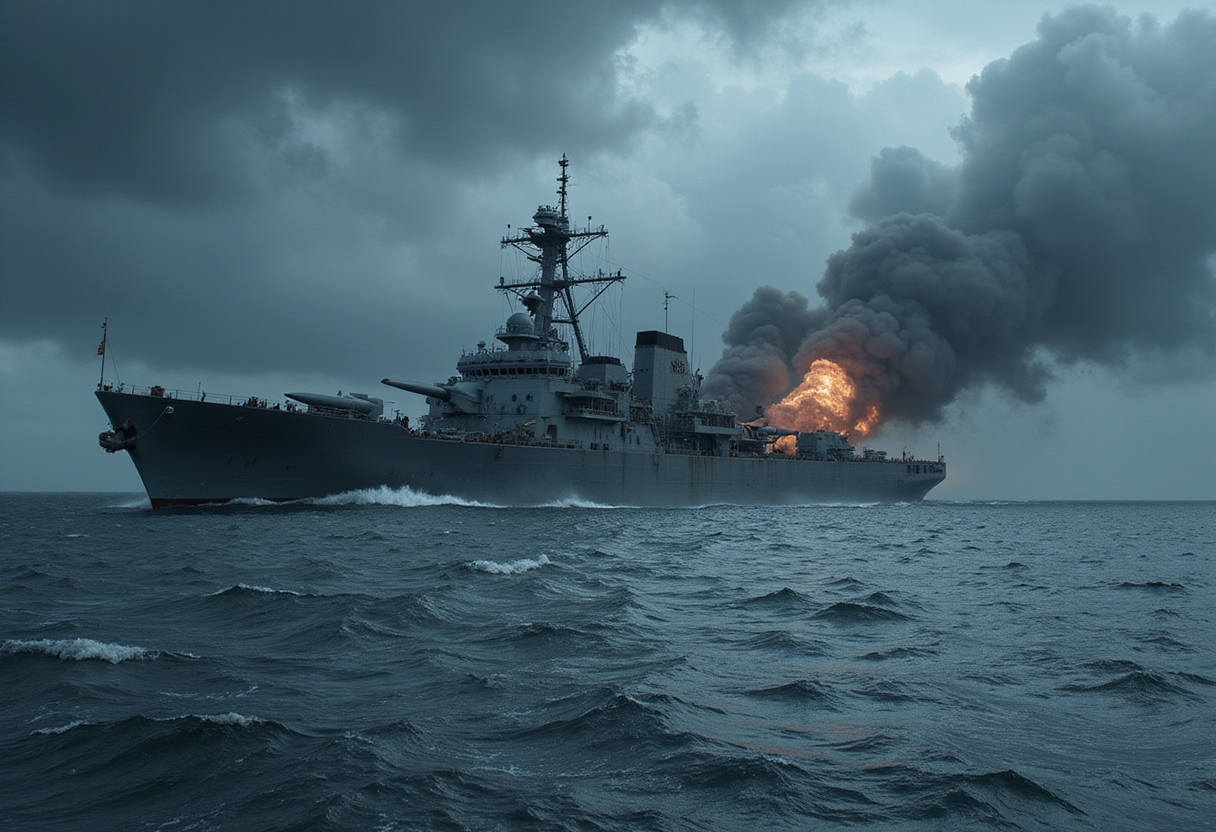
A 2,824-teu containership operated by Global Feeder Shipping (GFS) has sunk in the Strait of Hormuz after missiles struck the vessel and set it ablaze, according to Singapore's Maritime and Port Authority (MPA). The attack marks the loss of one of the regional feeder operator's hulls and comes as a second GFS vessel, the 4,350-teu GFS Giselle, sustained hull damage in a separate strike within the same 24-hour window.
The stricken vessel, the 2008-built GFS Pride, caught fire after the missile impact, the MPA said. All 21 crew members were evacuated, and no injuries were reported. The second ship, the 2015-built GFS Giselle, survived the attack with hull damage but remained afloat, according to the authority's statement.
What does the sinking mean for Hormuz traffic?
For shippers and forwarders with cargo moving through the Gulf, the loss is immediate and concrete. Any containers loaded aboard GFS Pride at the time of the strike are presumed lost with the vessel, and cargo booked on GFS Giselle now faces delays while the ship undergoes damage assessment and repair.
The Strait of Hormuz is one of the world's most heavily trafficked chokepoints for energy and container traffic, and strikes on commercial shipping there carry consequences far beyond the vessels hit. Carriers routing feeder services through the Gulf will now have to weigh continued transits against the demonstrated risk to hulls, crews and cargo — a calculation that typically pushes war-risk insurance premiums higher and can trigger re-routing decisions within days.
The two ships were mid-sized feeders — 2,824 teu and 4,350 teu respectively, or roughly a tenth of the capacity of a modern flagship boxship. That scale matters for regional trade: feeder tonnage in this size class connects Gulf ports to mainline hub services, and each withdrawal of capacity tightens slot availability for intra-Gulf and Gulf-to-subcontinent routings.
Who is affected?
- Cargo owners with freight aboard either vessel face potential total loss (GFS Pride) or delay and damage inspection (GFS Giselle).
- Global Feeder Shipping, a feeder operator running regional container services, has lost one hull outright and had a second damaged, removing capacity from its deployed network.
- Crews and insurers: the safe evacuation of all 21 seafarers from the burning vessel averts casualties, but hull and cargo underwriters now face significant claims from the sinking.
The MPA's disclosure that both ships were hit within a single 24-hour period signals a deliberate targeting pattern rather than an isolated incident, raising the risk profile for any commercial vessel currently transiting the strait.
What happens next?
Operations in the Gulf now hinge on how carriers respond. Historically, repeated strikes on merchant shipping prompt operators to suspend port calls, consolidate cargo onto fewer sailings, or impose risk surcharges — all of which raise delivered costs for shippers even when their own cargo is untouched.
For the moment, the confirmed facts stand: GFS Pride, a 17-year-old feeder, rests on the seabed after a missile strike and fire; GFS Giselle carries hull damage; 21 crew are safe; and the MPA continues to monitor the aftermath. With attacks on commercial shipping in the Strait of Hormuz now claiming an entire containership, carriers, insurers and shippers with Gulf exposure will be watching closely whether the incidents remain an outlier or mark the start of a broader escalation in the waterway.
Source: The Loadstar
More from Elena Vasquez
Show full bio
News editor covering people, launches and day-to-day practice in Ocean and air freight, container shipping at Waybill Wire.
444 articles
Related05
Container Ship Sinks Near Hormuz After Projectile Strike
Container ship sinks in Hormuz after projectile strike, Singapore says
Container ship sinks after mine strike in Strait of Hormuz
2,500-TEU Boxship Sinks in Strait of Hormuz Mine Strike, IRGC Claims
Container ship sinks near Hormuz after projectile hit, sources say