WW/OCEANFREIG
Iran Threatens Legal Action Against Sinokor Tankers in Hormuz
Iran's PGSA says it will take legal action against all Sinokor tankers from November 1. The operator moved nearly 40% of Hormuz crude outflows last month.
- Desk
- Ocean Freight
- By
- Tom Whitfield
- Filed
- Length
- 581 words
- Read
- 3 min
Key points05
- Iran's PGSA says legal action will hit all Sinokor vessels from November 1
- Sinokor ships carried nearly 40% of crude leaving Hormuz last month
- Enforcement actions have already hit at least 7 Sinokor vessels over 3 months
- Sinokor is the world's largest owner of supertankers
- Middle East oil shipments are now near pre-war levels, trackers say
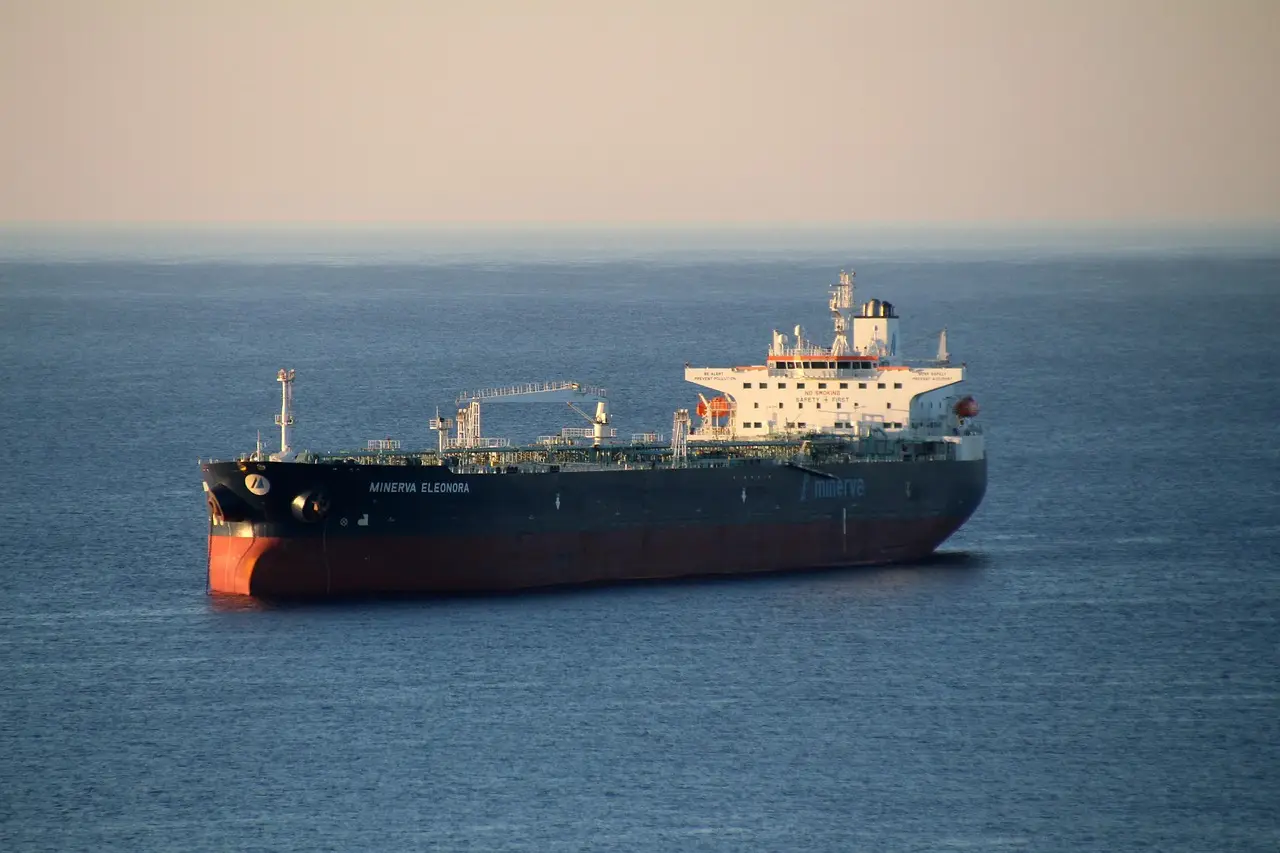
Iran's Persian Gulf Strait Authority says it will take legal action against every tanker operated by Sinokor, the world's largest oil tanker owner, from November 1 — a threat aimed at the carrier that moved nearly 40% of all crude leaving the Strait of Hormuz last month.
The PGSA made the announcement in a social media post, saying Sinokor's vessels have racked up the worst record in the waterway. "The vessels belonging to Sinokor Shipping Company have committed the highest number of crossing violations over the past 3 months, and so far, appropriate enforcement actions have been taken against at least 7 of them," the authority said, without specifying what those enforcement actions involved.
It then widened the warning well beyond the shipping line itself. "All cargo owners, stakeholders, and insurance service providers are hereby warned that as of November 1, legal action will be taken against all vessels of this company," the PGSA said. Sinokor did not immediately respond to a request for comment.
Who is Sinokor and why does this matter?
Sinokor is the world's biggest owner of supertankers. Since the Iran war began, it has become a vital cog in keeping global oil moving by pouncing on the lucrative — and risky — trade of lifting barrels out of Hormuz. Its ships accounted for almost 40% of all crude that flowed out of the strait last month, according to data from intelligence firms and maritime databases. That is more than the next three biggest players combined.
That concentration is the mechanism behind Iran's leverage. One operator now carries a share of Hormuz crude flows large enough that a sustained enforcement campaign against its fleet cannot be routed around easily. If detentions, boarding delays or insurance complications start hitting Sinokor hulls, the barrels have to move on someone else's tonnage — and that repricing would land on charterers first.
What does this change for shippers and insurers?
The warning is written for them, not for Sinokor. By naming cargo owners and insurance service providers explicitly, the PGSA is signaling that exposure runs down the whole chain: if you've booked freight on a Sinokor vessel, or underwritten it, Iran considers you on notice from November 1. For charterers, that raises the practical questions of contract frustration, detention risk and whether hull cover still applies in a strait where one side's authority is disputed. Expect war-risk underwriters to re-examine Hormuz transits on the affected fleet.
The chokepoint fight since the war
Hormuz was largely shut in the immediate aftermath of the conflict, and there has been a persistent tussle for control of the world's most important energy chokepoint since. Transit volumes have recovered steadily, and most trackers now put total Middle East shipments around pre-war levels.
Iran set up the PGSA earlier this year as the point of contact for transits through Hormuz. It has since published a list of vessels it says violated its rules for crossing the waterway — a unilateral rulebook that Gulf operators and their insurers have never formally accepted. The Sinokor threat is the sharpest escalation of that enforcement posture so far, because it targets an owner rather than individual crossings.
Whether Iran actually executes on the November 1 deadline, or uses it as a bargaining chip in the wider contest over the strait, will show up quickly in fixture rates for Hormuz-loadings and in the share of crude Sinokor is still willing to lift from the Gulf.
Original: bloomberg.com
More from Tom Whitfield
Show full bio
Market editor covering companies, deals and strategy in Ocean and air freight, container shipping at Waybill Wire.
702 articles
Related05
Iran Threatens Sweeping Action Against Sinokor Fleet From November 1
Container ship sinks in Strait of Hormuz, Iran says
4.1 Million Barriers: Iranian LPG Slips Past US Hormuz Blockade
Container ship sinks in Strait of Hormuz as Iran widens attacks
Container Ship Sinks in Strait of Hormuz, IRGC Navy Confirms