WW/OCEANFREIG
Iran Threatens Sweeping Action Against Sinokor Fleet From November 1
Iran has threatened fleet-wide legal action against Sinokor from November 1 over Strait of Hormuz violations — the first time Tehran has targeted an entire shipping company rather than single vessels.
- Desk
- Ocean Freight
- By
- Elena Vasquez
- Filed
- Length
- 545 words
- Read
- 3 min
Key points05
- Iran's PGSA threatened legal action against all Sinokor-linked vessels from November 1.
- Sinokor tankers carried about 105.6m barrels through Hormuz in September — 37% of total volumes.
- Enforcement measures have already been taken against at least seven Sinokor ships.
- At least seven Sinokor-linked tankers have reportedly been struck by missiles or drones during the conflict.
- Iran's navy claimed a tanker caught fire after hitting mines east of Hormuz, contradicting US Central Command's mine-clearing assertion.
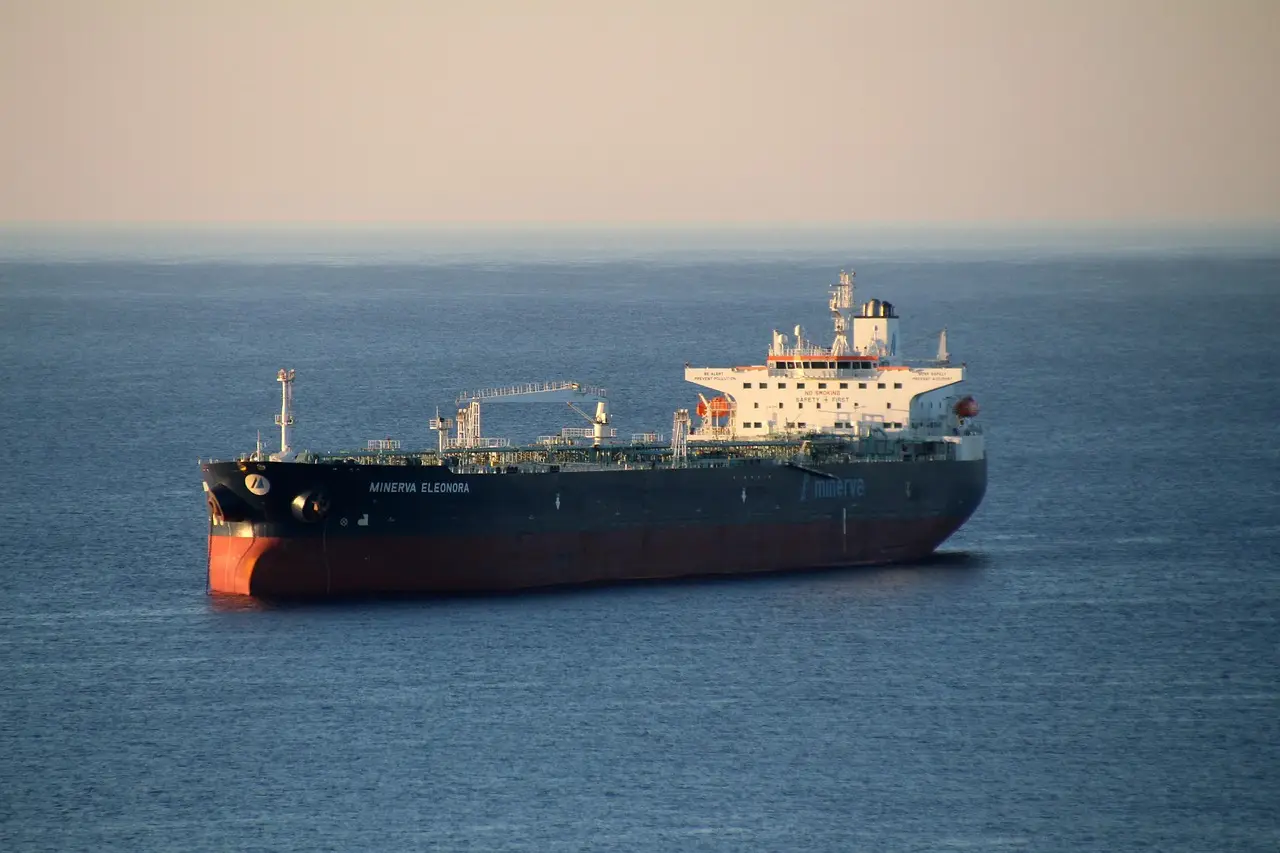
Iran has threatened South Korean tanker operator Sinokor, the world's dominant VLCC owner, with fleet-wide "legal action" starting November 1, accusing the company of more Strait of Hormuz transit violations than any other operator. The warning marks the first time Tehran has publicly targeted an entire shipping company rather than individual vessels, and it lands directly on cargo owners, charterers and insurers connected to Sinokor's tonnage.
What has Iran actually alleged?
Iran's Persian Gulf Strait Authority (PGSA) said Sinokor vessels have committed more transit violations than any other operator over the past three months, and claimed enforcement measures have already been taken against at least seven ships. The authority warned that all Sinokor-linked vessels will face legal action from Sunday, but it has not specified what that action might involve — a gap that leaves charterers and underwriters without a clear risk boundary.
For a company of Sinokor's weight in the Gulf, the ambiguity is the problem. According to Bloomberg vessel-tracking analysis, Sinokor-controlled tankers carried approximately 105.6 million barrels of crude through Hormuz in September alone — roughly 37% of total volumes through the chokepoint. Any enforcement against that share of flow would ripple straight into crude freight markets, which have already been pricing conflict risk in the region.
How did Sinokor become the dominant player?
Sinokor has emerged as the dominant tanker operator in the Gulf since the conflict began, rapidly expanding its VLCC fleet and capitalising on extraordinary freight rates. That expansion came with exposure: at least seven Sinokor-linked tankers have reportedly been struck by missiles or drones during the conflict, according to the source's reporting.
The Korea Shipowners' Association has pushed back against Tehran's allegations. It said the vessels identified in the dispute were sub-chartered to an overseas oil company and carried no South Korean crew — a defence that shifts responsibility toward the charterer rather than the owner. Sinokor itself is seeking clarification of Iran's warning, which remains unspecified in scope and mechanism.
What does this mean for shippers and insurers?
The commercial consequences cut in three directions. Charterers face the risk that Sinokor tonnage becomes effectively uninsurable or undeliverable through Hormuz if Iran follows through, forcing rebooking onto other operators at a moment when rates are already elevated. Insurers must price a novel threat: state enforcement action against an entire fleet, not just sanctions or war-risk exposure on individual hulls. And competing VLCC owners stand to gain rate leverage if more than a third of September's Hormuz crude volumes need alternative carriers.
The confrontation also deepens uncertainty over navigation through the waterway itself. Iran's navy claimed yesterday that an unidentified tanker caught fire after striking mines east of Hormuz while operating with its tracking equipment switched off. The claim has not been independently verified. The announcement directly challenges US Central Command's assertion on Sunday that the strait's main shipping lanes had been cleared of Iranian mines — a contradiction that muddies the risk picture for every transit decision this week.
With the November 1 deadline set and enforcement measures already recorded against seven ships, the market's next signal will be whether Iran defines its "legal action" precisely — or lets the uncertainty do the work.
Source: Splash247
More from Elena Vasquez
Show full bio
News editor covering people, launches and day-to-day practice in Ocean and air freight, container shipping at Waybill Wire.
679 articles
Related05
Iran Threatens Legal Action Against Sinokor Tankers in Hormuz
Two Tankers Strike Mines in Strait of Hormuz, Guards Say
Middle East Ocean Freight Rates Soar as Iran Conflict Rattles Hormuz
Container ship sinks in Strait of Hormuz, Iran says
Iran warns ships going dark in Hormuz will be treated as hostile