WW/OCEANFREIG
Cosco Shipping Posts 50% Profit Collapse as Container Rates Slide
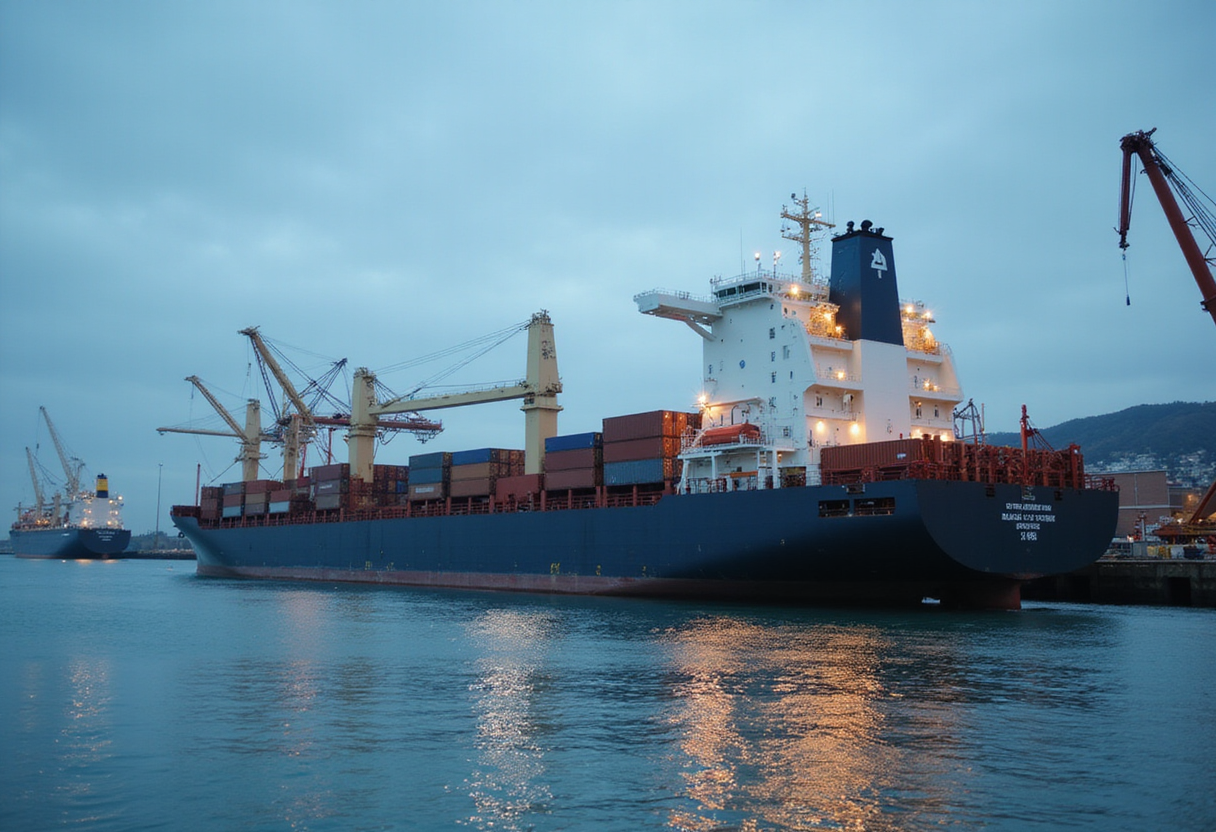
Cosco Shipping, China's flagship ocean carrier, posted a 50% profit decline as container freight rates retreated further from pandemic-era highs, joining liner peers facing sharp earnings normalization across the east-west trades.
- Desk
- Ocean Freight
- By
- Elena Vasquez
- Filed
- Length
- 556 words
- Read
- 3 min
Key points05
- Cosco Shipping reported a 50% drop in profit in its latest earnings release
- The decline is attributed to falling container freight rates across major east-west trades
- Cosco Shipping Holdings is the listed subsidiary of China COSCO Shipping Corporation, headquartered in Shanghai
- Industry-wide spot and contract rate normalization follows the 2021-2022 pandemic freight boom
- The earnings pressure affects the broader liner sector, including peers across Asia-Europe and trans-Pacific lanes
Cosco Shipping, China's flagship ocean carrier, reported a 50% drop in profit as container freight rates continued their multi-quarter retreat from pandemic-era highs, according to a Yahoo Finance headline.
The earnings contraction places the Shanghai-based liner operator alongside other top carriers absorbing a rapid normalization of the container market. The result marks another chapter in the unwind of the 2021-2022 freight boom, when supply chain disruptions and severe port congestion pushed spot rates to historic highs.
What the 50% drop signals
The headline profit figure captures the speed of the freight cycle's reversal. Container shipping moved from acute capacity scarcity in 2021-2022 to a buyers' market within roughly 18 months, with rates falling as congestion cleared, Red Sea diversions eased and new tonnage entered the global fleet.
Cosco Shipping Holdings, the listed subsidiary of China COSCO Shipping Corporation, operates one of the world's largest container fleets, with material exposure to the trans-Pacific, Asia-Mediterranean and intra-Asia trades. The carrier's earnings trajectory functions as a leading indicator for the broader liner sector.
Commercial consequences across the supply chain
The shift in rate environment has reshaped margins and risk allocation among shippers, ocean carriers and freight forwarders.
- Shippers: Benefiting from sharply lower freight budgets and improved schedule reliability across the major east-west lanes. Procurement teams have reclaimed negotiating leverage that disappeared during the pandemic peak.
- Ocean carriers: Facing margin compression as per-container revenue normalizes. Carriers have responded with blank sailings, slower steaming and, in some cases, accelerated vessel scrapping to manage capacity.
- Freight forwarders and NVOCCs: Operating in a softer spot market with thinner unit margins. Mid-tier forwarders dependent on volatile spot spreads have seen profitability tighten.
- Ports and terminals: Volumes have held up, but dwell times and storage revenue have declined, particularly at U.S. West Coast gateways that captured premium pricing during the congestion period.
Industry context
The Cosco result lands amid broader pressure across the liner sector. Major carriers have guided to lower full-year earnings as supply additions outpace demand growth on key east-west headhaul trades. The Red Sea security situation, which had earlier supported elevated Asia-Europe rates through extended routings around the Cape of Good Hope, has shown signs of easing in recent weeks, removing a key floor from spot pricing.
Spot rates on the trans-Pacific have fallen to a fraction of their 2021-2022 peaks. Contract rates negotiated for the 2024-2025 season reflect double-digit declines versus the prior year. The combination has compressed carrier profitability across the board, with smaller tonnage providers and those with higher bunker exposure under the greatest strain.
What to watch next
Cosco's full earnings release will provide granular detail on revenue per TEU, volume growth and cost management across the network. The carrier's quarterly operational data — covering fleet utilization, average revenue per box and trade-lane performance — typically serves as a benchmark for the broader industry.
Looking ahead, the trajectory of east-west spot rates, the pace of capacity delivery, and any escalation of geopolitical disruptions will determine whether the current earnings trough deepens or stabilizes through the remainder of 2024. Carriers have signaled continued discipline on capacity, but the wave of newbuild deliveries scheduled over the next 24 months will test whether that discipline holds.
Source: Google News: ocean freight rates
More from Elena Vasquez
Show full bio
News editor covering industry trends and analytics at Waybill Wire.
262 articles
Related05
COSCO Shipping Holdings books CNY 17.528 billion profit gain
Container Shipping Braces for 2027 Overcapacity as Mega Orderbook Hits the Water
Global Port Congestion Passes Pandemic-Era Peak in "Perfect Storm"
Container Ship Orderbook Nears 40% of Global Fleet
COSCO commits $2.9bn to 18 new container ships