WW/OCEANFREIG
MOL Signs 25-Year Vale Iron Ore Contract for World's First Tri-Fuel Capesizes
MOL Ocean Bulk signs a 25-year contract with Vale for two 210,000-ton tri-fuel ore carriers running on ethanol, methanol or HFO, delivering in 2030.
- Desk
- Ocean Freight
- By
- Amara Osei
- Filed
- Length
- 506 words
- Read
- 3 min
Key points05
- MOL Ocean Bulk signed a 25-year iron ore transport contract with Vale International
- Two 210,000-metric-ton ore carriers will be the world's first with tri-fuel propulsion (ethanol, methanol, HFO)
- Vessels are scheduled for delivery in 2030
- Ethanol could cut lifecycle carbon emissions by up to ~90% versus heavy fuel oil
- MOL targets net-zero GHG emissions by 2050 under its BLUE ACTION 2035 Phase 2 vision
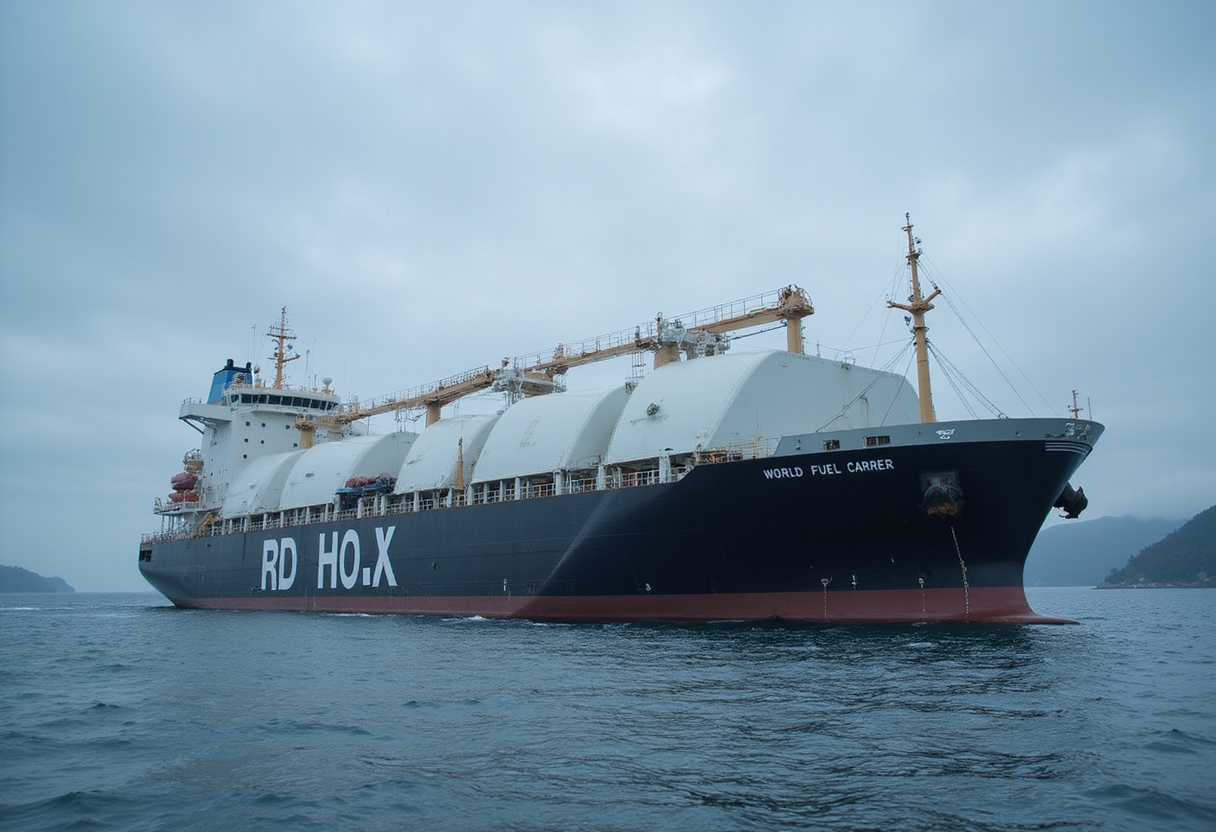
Mitsui O.S.K. Lines has locked in a 25-year iron ore transport contract with Vale International, covering two 210,000-metric-ton ore carriers that will become the world's first tri-fuel newbuilds — capable of running on ethanol, methanol and conventional heavy fuel oil.
MOL Ocean Bulk Pte. Ltd., the Singapore-based arm that runs the MOL Group's overseas Capesize bulker business, signed the deal with Vale International S.A., a subsidiary of Vale S.A. The vessels are scheduled for delivery in 2030 and will primarily handle transoceanic transport of Vale's iron ore.
The contract sits at the center of Vale's shipping decarbonization strategy and represents one of the longest-duration green tonnage commitments in the dry bulk trades to date.
What does the tri-fuel design change?
Beyond the tri-fuel engines, the ships feature an LNG/ammonia-ready design, allowing conversion to either fuel later. They also incorporate a range of energy-saving technologies available for next-generation newbuildings.
MOL argues the configuration gives operators genuine flexibility: fuel choice can follow fuel availability, decarbonization benefits and economics rather than locking owners into a single pathway. That flexibility matters in a market where methanol and ethanol bunkering infrastructure remains patchy across major ore trade lanes.
The emissions case for ethanol is material. MOL says ethanol could cut carbon emissions by up to approximately 90% compared with heavy fuel oil on a full lifecycle basis, from fuel production through consumption. The fuel has drawn growing attention as a renewable marine option, and its ease of handling is expected to streamline wider adoption.
Commercial stakes for carriers and cargo owners
For Vale, the arrangement directly targets marine transport-related Scope 3 emissions — the category miners face mounting investor and regulatory pressure to disclose and reduce.
For MOL, the two ships anchor progress toward its "BLUE ACTION 2035 Phase 2" environmental vision, under which the group targets net-zero greenhouse gas emissions by 2050.
A quarter-century contract also de-risks the newbuilding investment. Tri-fuel ore carriers command a premium over conventional Capesizes, and guaranteed employment until 2055 gives MOL a bankable revenue stream while it works through fuel-transition risk — the central unknown in every alternative-fuel orderbook today.
MOL said it will also work beyond vessel operations, collaborating with customers and partners across the entire ethanol and methanol fuel supply chain — from procurement and supply to bunkering — to push decarbonization of the wider shipping industry.
Why fuel-flexible Capesizes matter now
Dry bulk has lagged container shipping in alternative-fuel uptake, where methanol and LNG dual-fuel boxships already number in the hundreds. A tri-fuel ore carrier order backed by a 25-year mining major contract signals that commodity shippers are now willing to underwrite green dry bulk tonnage directly.
With delivery still six years out, the project's success will hinge on whether ethanol and methanol supply at scale — and at workable prices — materializes on the Brazil-Asia ore routes by the end of the decade.
Source: Hellenic Shipping News
More from Amara Osei
Show full bio
Staff writer covering marketplaces and e-commerce at Waybill Wire.
306 articles
Related05
MOL signs 25-year Vale charter for two tri-fuel ore carriers
Contships Bets on China With Up to 30 Feeder Newbuilds
Bunker Prices Up 76% Put Ageing Ship Engines Under the Microscope
DNV: Fleet Energy Use Could Fall 28% by 2050 Through Efficiency Alone
89.8% of fleet still oil-dependent as bio-residue fuel risks mount