WW/TRADEPOLIC
Canada reinstates sanctions on National Iranian Tanker Company
Canada has reinstated sanctions on NITC and ten other Iranian entities, reversing 2016 nuclear-deal relief and adding Canadian legal exposure to NITC-linked tanker dealings.
- Desk
- Trade & Tariffs
- By
- Amara Osei
- Filed
- Length
- 476 words
- Read
- 2 min
Key points04
- Canada re-listed NITC under sanctions for the first time since February 2016.
- The package targets 11 Iranian entities including NIOC and Naftiran Intertrade.
- UN nuclear-related sanctions were reinstated in September 2025.
- Announcement came from foreign minister Anita Anand at a G7 meeting in Paris.
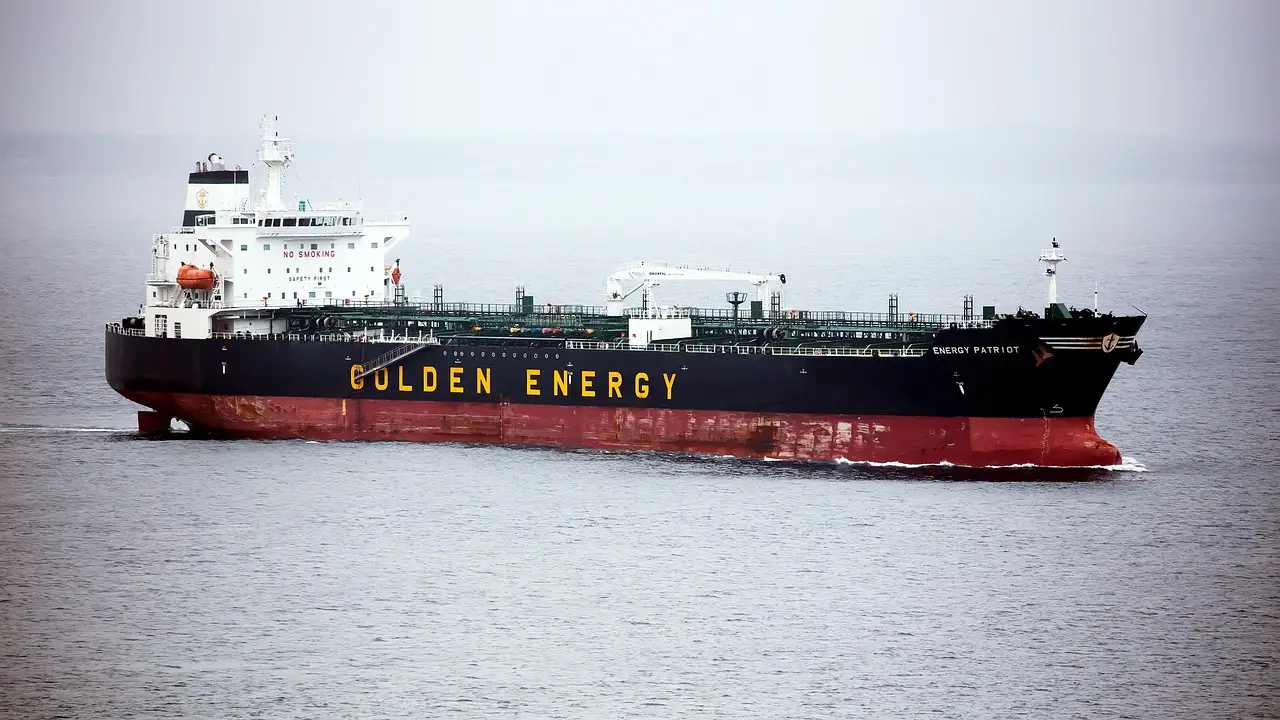
Canada has put the National Iranian Tanker Company (NITC) back under sanctions, ending nearly a decade of relief that dated to the 2016 implementation of the Iran nuclear agreement. The listing is one of eleven new designations targeting Iranian entities, announced by foreign minister Anita Anand at a G7 foreign ministers' meeting in Paris.
The package also covers the National Iranian Oil Company (NIOC), the oil trading group Naftiran Intertrade, and several major Iranian financial institutions. For Canada-based persons and businesses — and Canadians operating abroad — the measures prohibit specified dealings involving sanctioned entities' property and related financial services.
What does this change for tanker markets?
In practice, not much — at least not immediately. NITC, one of the world's major crude tanker operators and the backbone of Iran's seaborne oil exports, already lives under extensive US restrictions. Washington has repeatedly targeted tankers associated with NITC operations through measures designed to squeeze Iran's oil revenues. Ottawa's move adds a second Western jurisdiction to the wall, not a new one.
That matters for counterparties doing anything with a Canadian nexus: chartering, insurance placement, financing, or agency work touching NITC-affiliated tonnage now carries Canadian legal exposure where it didn't before. The practical question — what does this change for shipowners and traders? — is mostly about compliance perimeter. If your deal routes through Canadian banks or Canadian residents, it's now off the table.
A reversal nine years in the making
The timing is the story. Ottawa first lifted restrictions on NITC and several other Iranian organisations in February 2016, after the Joint Comprehensive Plan of Action took effect and Tehran scaled back its nuclear work. That relief held even as Washington re-imposed American sanctions in 2018.
Now the Canadian position has flipped back. The government cited renewed concerns over Iran's nuclear programme and its cooperation — or lack of it — with international inspectors. The decision also follows the reinstatement of UN nuclear-related sanctions in September 2025, which gave Western capitals fresh legal and political cover to tighten their own measures.
Ottawa says the renewed listings aim to further restrict Iranian access to financial resources and sensitive technologies. In freight terms, that translates into continued pressure on the shadow fleet economics that keep Iranian crude moving: opaque ownership, non-Western insurance and payment channels that already sit outside the mainstream system.
The forward look
For carriers and forwarders, the compliance takeaway is straightforward. NITC-linked vessels and the trading houses around them were already high-risk under US rules; Canadian exposure is now equally contaminated. Expect screening lists to update quickly and counterparties to re-run their sanctions checks.
The trajectory points one way. With UN sanctions back in force since September and G7 ministers coordinating announcements in Paris, further designations — and more tanker names on Western lists — look likelier than any relaxation.
Source: Splash247
More from Amara Osei
Show full bio
Staff writer covering regulation, policy and their impact on Ocean and air freight, container shipping at Waybill Wire.
859 articles
Related05
US Sanctions 22 More Tankers Tied to Iran's Oil Trade
US Plans to Reclassify Shadow Tankers, But Analysts See Few Takers
Iran Threatens Sweeping Action Against Sinokor Fleet From November 1
US Sanctions Iran's Railways and $17B Shadow Banking Network
US to Let Dark-Fleet Tankers Rejoin Lawful Trade, Wright Says