WW/OCEANFREIG
UAE Plans New Export Routes and Fleet Investment to Brace for Iran War
UAE Energy Minister Suhail al-Mazrouei says a new pipeline will double Fujairah crude capacity by next year as Abu Dhabi invests in fleets and foreign storage.
- Desk
- Ocean Freight
- By
- Elena Vasquez
- Filed
- Length
- 572 words
- Read
- 3 min
Key points05
- A new pipeline will double UAE crude export capacity through Fujairah by next year.
- Fujairah sits just outside the Strait of Hormuz, bypassing the chokepoint.
- Minister Suhail al-Mazrouei announced the plans at ADIPEC in Abu Dhabi on November 2.
- Reuters reported in June that UAE crude and condensate exports hit a record high after it left OPEC.
- Maersk shares fell as Q3 earnings and a guidance upgrade missed analyst estimates.
The United Arab Emirates will double crude export capacity through Fujairah by next year, as the country retools its energy logistics for a prolonged US-Israeli war with Iran, Energy Minister Suhail al-Mazrouei said in Abu Dhabi on Monday, November 2.
Speaking to reporters on the sidelines of the Abu Dhabi International Petroleum Exhibition and Conference, Mazrouei framed the investment program as a direct response to a conflict whose course, he conceded, nobody can predict. The UAE, he said, intends to be far better prepared than it was before the fighting began.
Why Fujairah matters
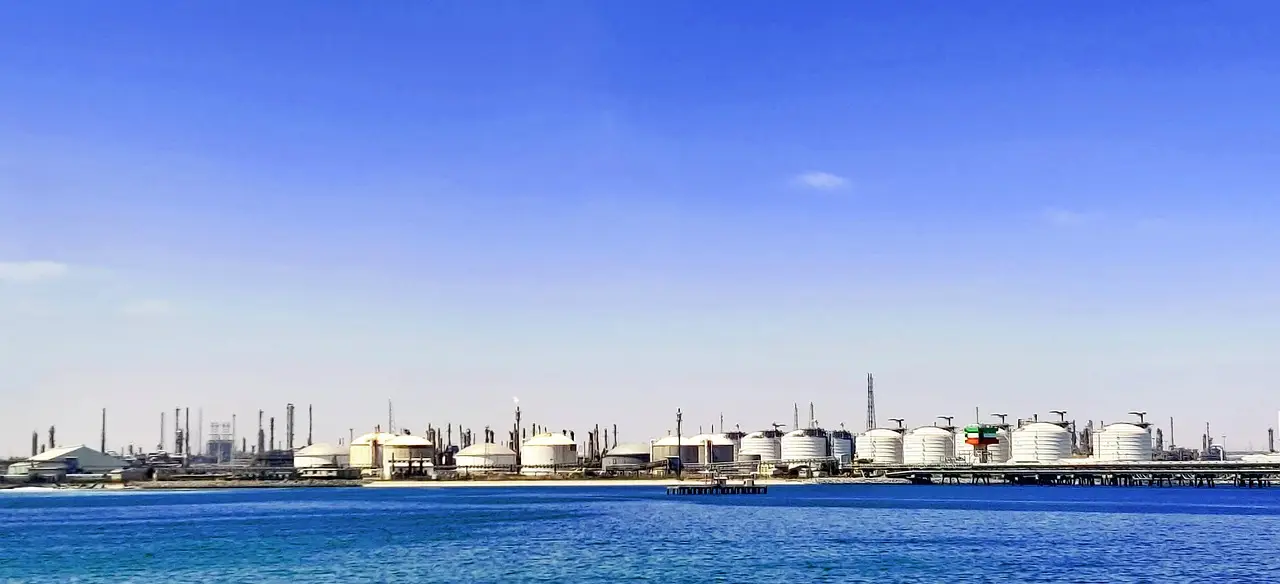
The geographic logic behind the plan is straightforward. Fujairah sits on the UAE's east coast, just outside the Strait of Hormuz — the chokepoint through which Gulf crude normally passes and the corridor most exposed to disruption in any confrontation with Iran.
A new pipeline under construction will double Fujairah's crude capacity by next year, giving Abu Dhabi a substantially larger bypass around the Strait. That infrastructure sits alongside the other measures the minister outlined: new export routes, storage capacity built abroad, and investment in shipping fleets under UAE control.
For tanker owners, charterers and cargo insurers operating in the Gulf, the buildout signals a sustained push to move loading and storage assets east of Hormuz. The minister's reference to foreign storage capacity points to a broader strategy of holding crude closer to buyers rather than concentrating it inside the Gulf.
What did the minister say?
Mazrouei offered two of the more quotable lines of the conference. "I think after this crisis, many companies are going to look, think again, and design, redesign their facilities to be more resilient in the future," he told reporters.
He expanded on what that means in practice. "Resilience is a big word. And it has layers, from the barrel that you produce to the destination that you take it," Mazrouei said, adding: "You need to be closer to your customers."
That last sentence is the commercial heart of the announcement. Being closer to customers — through overseas storage terminals, owned fleet capacity and diversified export routes — reduces both transit risk and exposure to any single chokepoint.
Are exports actually holding up?
By the minister's own account, yes. Mazrouei earlier told the conference that at certain times during the war, UAE exports have run higher than they did before the conflict began.
Reuters reported in June that the UAE boosted crude oil and condensate exports to a record high shortly after leaving the Organization of the Petroleum Exporting Countries. That exit removed production quota constraints and allowed Abu Dhabi to push volumes to levels OPEC membership had previously capped.
The combination is notable for the tanker market: record crude volumes, a doubling of Fujairah pipeline capacity, and fleet investment all point to more UAE-controlled tonnage demand east of Hormuz at a moment when other Gulf loading points carry elevated war-risk premia.
What comes next?
The pipeline completion timeline — next year — is the hard date to watch. Until that capacity comes online, Fujairah's existing terminals and the UAE's current export routes will carry the country's record-level volumes, with further announcements on storage and fleet investment expected as the war's trajectory becomes clearer.
(A separate market note: shares of A.P. Moller-Maersk, the world's second-largest shipping line, slid after its guidance upgrade and third-quarter earnings fell short of analyst estimates.)
Original: reutersconnect.com
More from Elena Vasquez
Show full bio
News editor covering people, launches and day-to-day practice in Ocean and air freight, container shipping at Waybill Wire.
751 articles