WW/OCEANFREIG
Empty Supertankers Flee Fujairah as Hormuz Strikes Hit Oil Bypass
At least 10 VLCCs and several Suezmax tankers have stopped or reversed course near the UAE port of Fujairah, threatening the ship-to-ship transfer workaround that kept Persian Gulf oil exports near prewar levels.
- Desk
- Ocean Freight
- By
- Tom Whitfield
- Filed
- Length
- 522 words
- Read
- 3 min
Key points05
- At least 10 VLCCs and several Suezmax tankers stopped or reversed course near Fujairah in recent days, per Bloomberg tanker-tracking data
- On October 11, six commercial vessels were struck in and around the Strait of Hormuz — five tankers and one container ship
- Persian Gulf oil exports had recovered to near prewar levels via the Fujairah ship-to-ship transfer workaround
- Hiring a tanker to haul US crude to China now costs more than launching a rocket into space, per Bloomberg
- Iranian attacks on commercial shipping in and around Hormuz have run near-daily for weeks, with some incidents close to Fujairah
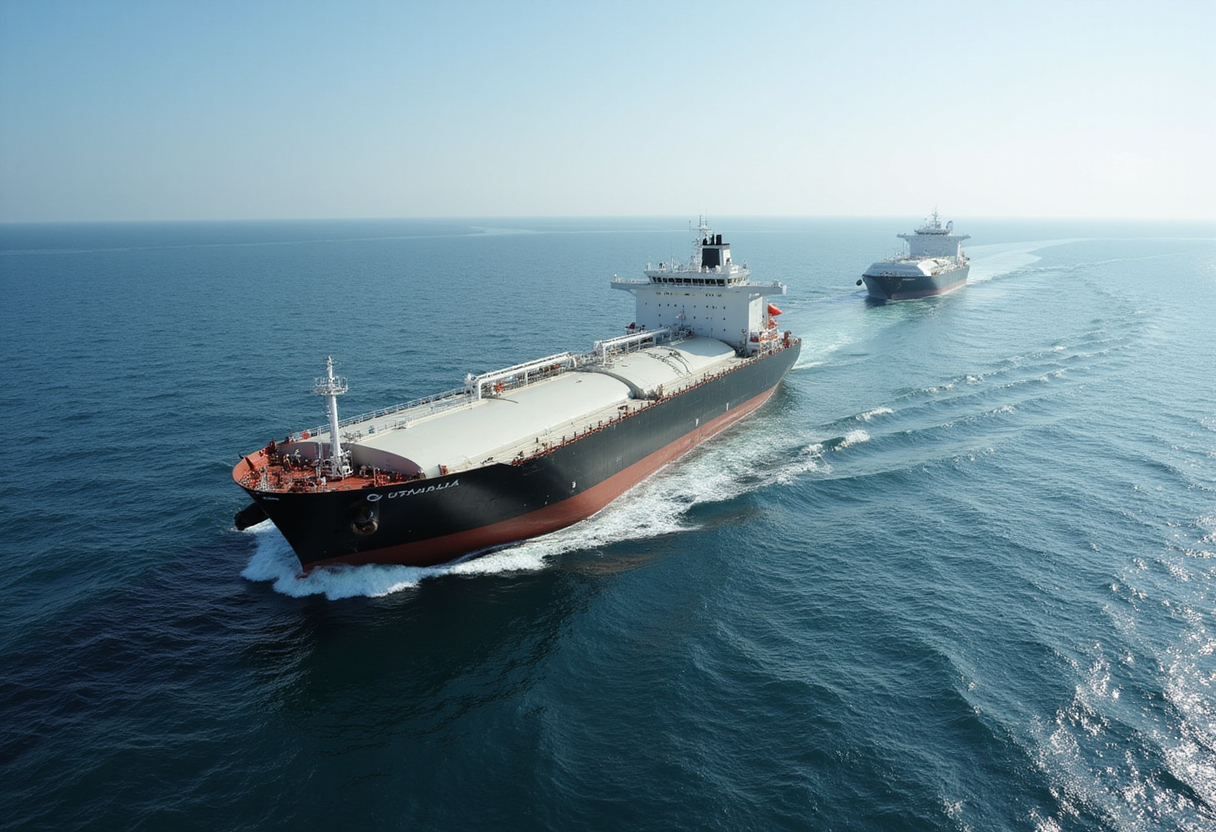
At least 10 very large crude carriers and several Suezmax tankers have stopped or reversed course near the UAE port of Fujairah in recent days, tanker-tracking data compiled by Bloomberg shows, as Iranian attacks creep toward the ship-to-ship transfer zone that has kept Persian Gulf crude flowing near prewar levels.
The pullback matters because Fujairah is the safety valve. Shuttle tankers run the Hormuz gauntlet, offload crude to waiting VLCCs in Omani waters or off Fujairah, and those VLCCs carry the barrels onward. Pull the receivers out and the shuttles wait. Crude stays in the Gulf. The workaround that quietly resurrected exports stalls.
The tempo is what is driving the move. On October 11, six commercial vessels were reported struck in and around the Strait of Hormuz — five tankers and a container ship. Near-daily attacks have run for weeks. Some have come uncomfortably close to Fujairah itself.
What does the retreat change for shippers and traders?
It tightens already-scarce tonnage on the wrong side of the world. Hiring a vessel to haul oil from the US to China now costs more than launching a rocket into space, per Bloomberg's reporting. Removing ten-plus VLCCs from the receiving zone off Fujairah doesn't only delay Gulf barrels. It strips the largest crude carriers from a market that has no spares, while shuttle tankers sit idle on the far side of the strait.
Why Fujairah specifically?
Vessels signal Fujairah as an interim waypoint when they are ultimately bound for the Gulf of Oman or into the Persian Gulf proper. The count of ships running toward the port is the trade's cleanest proxy for operator appetite to approach Hormuz at all. Drop the count sharply and brokers read it as risk tolerance collapsing.
The transfer system was doing real work. Persian Gulf oil exports had recovered to near prewar levels specifically because shuttle tankers could make the Hormuz transit and hand off cargoes to VLCCs waiting safely outside. A sustained retreat by empty VLCCs would slow that flow, Bloomberg notes, leaving shuttle tonnage idle on the wrong side of the strait when global tanker availability is already tight.
How exposed is the receiving zone?
Any ship still making the run is paying through the hull for the privilege. Daily hire rates on key VLCC lanes have hit extraordinary levels. Fujairah sits on the same chart as the vessels struck on October 11. The market is voting with propellers: turn back, idle in safer waters, or risk a strike for a freight differential that may not cover the hull insurance deductible.
The story is moving fast. October 11's six-ship day wasn't an outlier. Iranian attacks have run near-daily for weeks. Any further strikes inside Fujairah's exclusion zone will test whether the remaining receivers hold position or follow the first ten out.
Watch the approach traffic off Fujairah. If more VLCCs pivot in the coming days, the workaround that propped up Gulf exports gives way to a strait open in name only, and shippers pay premium tonnage to wherever the next willing receiver is anchored.
Source: gCaptain
More from Tom Whitfield
Show full bio
Market editor covering companies, deals and strategy in Ocean and air freight, container shipping at Waybill Wire.
429 articles
Related05
Kuwait oil output rebounds to 75% of prewar level as Hormuz transits climb
VLCC Day Rates Top $1M as Gulf of Kutch Becomes New STS Hub
Mideast oil exports top 18m bpd, beating pre-war levels: Kpler
26.7M Barrels Exit Strait of Hormuz in Three Days Despite Tanker Strikes
Iran's Ship Attacks Target Disruption, Not Discrimination