WW/OCEANFREIG
Two Vessels Sink Near Hormuz as Iran Steps Up Attacks
Container ship GFS Pride and bulker Cape Dao sank near the Strait of Hormuz within 24 hours, the second and third vessels lost since the US-Iran war began on February 28.
- Desk
- Ocean Freight
- By
- Elena Vasquez
- Filed
- Length
- 632 words
- Read
- 3 min
Key points05
- Container ship GFS Pride (2,824 TEU) sank in the Strait of Hormuz on Tuesday; all 21 crew evacuated safely, MPA said.
- Bulker Cape Dao sank weeks after being struck by a projectile on September 23; one crew member died.
- They are the second and third vessels sunk since the US-Iran war began on February 28, per IMO casualty data analysis.
- About a fifth of global oil and LNG trade passed through the strait before the war.
- Attacks around the waterway surged over the past 10 days amid the US port blockade and new sanctions.
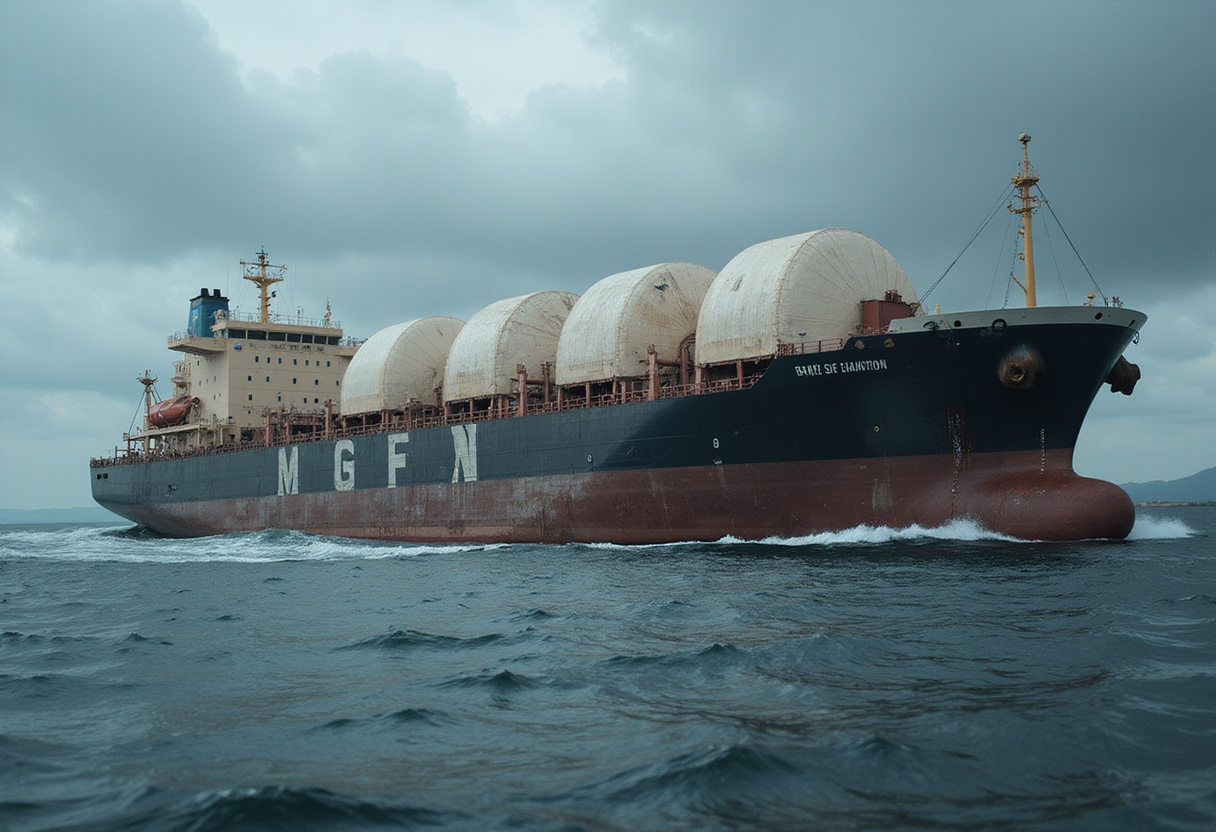
Two merchant vessels — a container ship and a dry bulk carrier — have sunk near the Strait of Hormuz within the past 24 hours, both struck by projectiles in separate incidents, maritime officials said on Wednesday. They are the second and third ships to sink since the US–Iran war began on February 28, according to an analysis of casualty data held by the International Maritime Organization.
The Singapore-flagged container ship GFS Pride, a 2,824-TEU vessel roughly a tenth the size of a mainline Asia–Europe boxship, went down while transiting the strait on Tuesday. Its manager, UAE-based GFS Ship Management FZE, could not be immediately reached for comment.
"GFS PRIDE sustained damage and a fire on board, and has since sunk. All 21 crew members were safely evacuated. No injuries have been reported," the Maritime and Port Authority of Singapore said in a statement on Wednesday. "MPA is deeply concerned about the continued attacks on commercial shipping in the Strait of Hormuz. Such attacks are unprovoked, unjustifiable, and a breach of international law."
What happened to the bulk carrier?
The second casualty, the Antigua and Barbuda-flagged bulker Cape Dao, sank close to the strait weeks after being hit by a projectile on September 23, IMO data showed. One crew member was killed in that strike; the rest of the crew evacuated immediately afterward, according to maritime sources. The vessel's UAE-based manager, Peonies Shipmanagement FZE, could not be immediately reached for comment.
The two sinkings cap a surge in attacks around the waterway over the past ten days. Iran says it is stepping up strikes in response to the US blockade of its ports and tougher sanctions introduced last month.
Why is the threat no longer confined to tankers?
Before the war, roughly a fifth of the world's oil and liquefied natural gas trade passed through the Strait of Hormuz. Since US and Israeli strikes on Iran on February 28, Tehran has sought to tighten its grip on the waterway, restricting transit to gain leverage over Washington.
Two senior Iranian officials told Reuters that Iran is deploying new tactics against transiting vessels as it seeks to keep oil prices elevated and influence US midterm elections. While tankers have borne the brunt of the confrontation, the casualty record now reaches across cargo segments:
- The Maltese-flagged container ship Safeen Prestige was hit by a projectile in March and later sank north of the strait.
- Iran's Revolutionary Guards attacked and seized the container ship MSC Francesca in April.
- Container and bulk vessels have been attacked, immobilized or sunk alongside tankers, according to casualty data.
For shippers and carriers, the message is blunt. "The latest incidents reinforce the continuing threat to commercial shipping transiting the Strait of Hormuz," maritime risk management company MARISKS said on Wednesday. "The threat is not confined to tankers, with container vessels and bulk carriers also sustaining serious damage."
What does this mean for operators?
The broadening of attacks from tankers to boxships and bulkers raises the risk calculus for every operator routing cargo through the Gulf. GFS Pride was a feeder-scale vessel — the class that connects Gulf hubs to mainline networks — and its loss removes capacity from an already constricted corridor. Cape Dao's fate, sinking weeks after its September 23 strike, shows that even initially survivable damage can end in a total loss, with the salvage window closing under sustained insecurity.
For forwarders and cargo interests, war-risk premiums, rerouting decisions and contingency planning around the strait are set to tighten further as attacks continue at this tempo. With Iran signaling more strikes to come in response to the US port blockade and last month's sanctions, operators should expect the security picture around Hormuz to deteriorate before it improves.
Source: gCaptain
More from Elena Vasquez
Show full bio
News editor covering people, launches and day-to-day practice in Ocean and air freight, container shipping at Waybill Wire.
452 articles
Related05
2,824 TEU GFS Pride Sinks in Strait of Hormuz After Projectile Strike
Container Ship Sinks Near Hormuz After Projectile Strike
Containership GFS Pride Sinks in Strait of Hormuz After Projectile Strike
Missile strikes sink GFS Pride in Strait of Hormuz; GFS Giselle damaged
Container ship sinks in Hormuz after projectile strike, Singapore says