WW/AIRCARGO
Thai Airways Cargo Backlog Persists at Suvarnabhumi Airport
Reported cargo backlog at Thai Airways’ Suvarnabhumi warehouse exceeds 1,000 lots, with 700-800 pallets awaiting unpacking and tracking failures delaying release.
- Desk
- Air Cargo
- By
- Marcus Bennett
- Filed
- Length
- 822 words
- Read
- 4 min
Key points05
- Airline accounts put the Suvarnabhumi backlog above 1,000 cargo lots and around 700-800 pallets awaiting unpacking.
- Thai Airways is prioritizing shipments that arrived before October 23.
- Planned measures include 100 additional Wi-Fi access points and a real-time cargo-location application.
- Bangkok Flight Services’ FEMS dashboard alerts on truck waits exceeding two hours.
- TAFA seeks a formal apology, accurate F2 storage updates and a central channel for inbound cargo coordination.
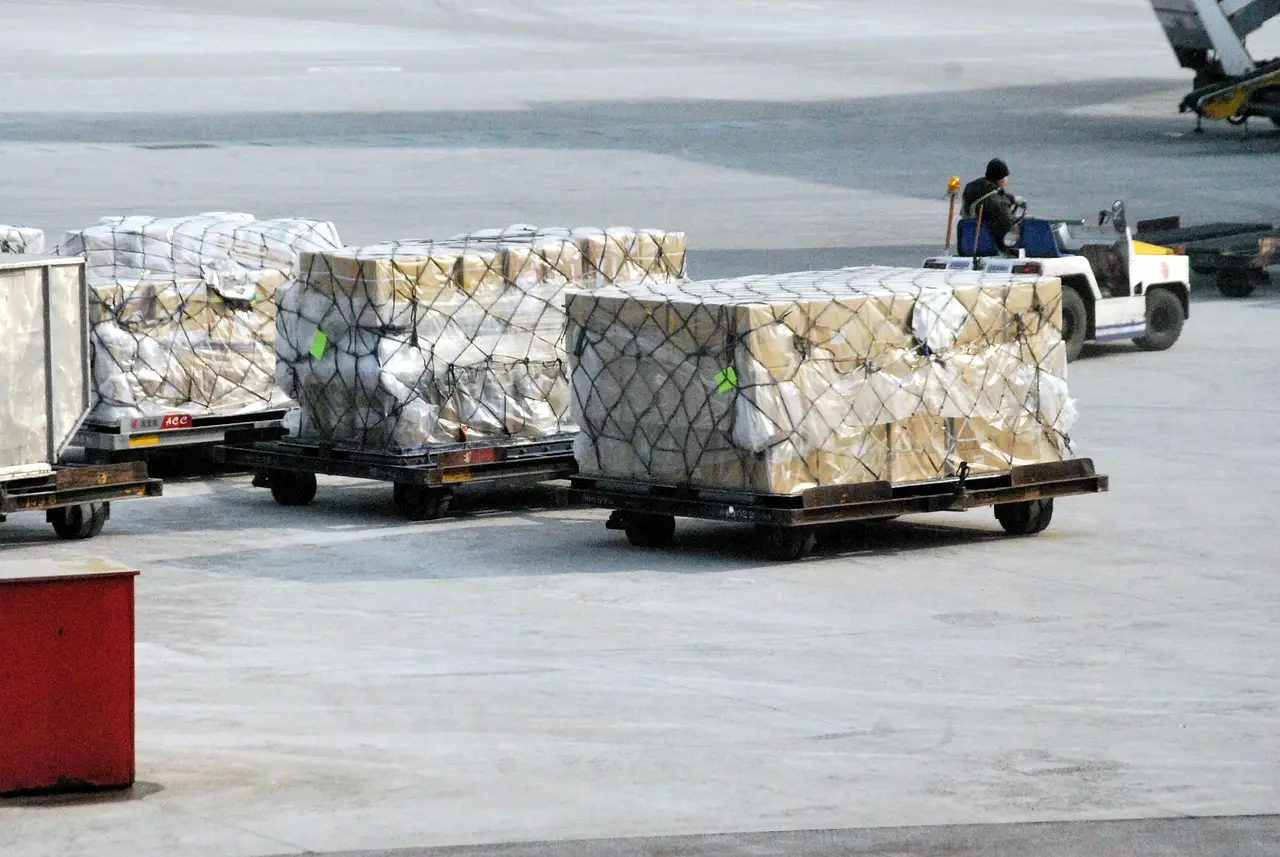
More than 1,000 cargo lots were awaiting release at Thai Airways’ Suvarnabhumi Airport warehouse, with a growing backlog of 700–800 pallets awaiting unpacking, according to accounts circulating among airlines. Thansettakij reported the persistent congestion on November 5, 2026, as Airports of Thailand (AOT) coordinated talks with government agencies, cargo operators and freight forwarders to clear it.
The backlog persisted during the high season even after flooding eased and Thai Airways resolved earlier problems involving baggage, flight delays and cancellations. Some freight remained inaccessible after its flights had arrived, pushing congestion into the airport’s free zone outside the warehouse.
Participants included AOT’s Suvarnabhumi Airport team, Thai Airways’ cargo division, Bangkok Flight Services’ cargo operation, the Customs Department, transport associations and the Thai National Shippers’ Council.
What is blocking cargo release?
The two figures measure different queues and cannot safely be added: the report does not define a cargo lot or explain how many lots a pallet can contain.
The Thai Airfreight Forwarders Association (TAFA) said congestion remained severe despite some progress in releasing shipments. Two operational gaps explain why: the AOT Cargo Clearhouse system, which AOT and Thai Airways developed, was failing to display shipment status and storage locations as intended, and staff could not find goods because no locations had been recorded.
That failure prevented freight forwarders and customs brokers from completing payment and release procedures for all their consignments. Large quantities also remained on unit load devices—the containers and pallets carrying air freight—awaiting “breakdown,” or unpacking.
TAFA called on Thai Airways’ cargo division to issue “a formal explanation and apology” for the delays. Forwarders said such a statement would help them explain the disruption to smaller customers and factories, easing commercial pressure on their businesses.
Neither the published account nor Thai Airways’ outlined measures specified a release timetable, an age profile for the backlog or a shipment breakdown by commodity. The report quotes no individual executive and does not establish how many shipments were released after the latest measures.
What changes are underway?
Thai Airways has outlined measures that add personnel and equipment from November 1. The airline also plans to install 100 more Wi-Fi access points across the warehouse and deploy an application that scans and records cargo locations in real time. It is prioritizing shipments that arrived before October 23 while continuing to handle new arrivals.
Those measures target location data, not necessarily the physical obstacles delaying breakdown. The account gives no number for the additional staff or equipment, and neither Wi-Fi coverage nor scanning capacity can by itself show whether the 700–800 pallets will be unpacked on schedule.
Bangkok Flight Services has meanwhile introduced a dashboard linked to its FEMS truck-queue system at the warehouse frontage. It displays truck waiting status and automatically alerts when a vehicle has waited more than two hours. That threshold gives handlers a concrete delay measure, but the source provides no average pickup time for comparison.
How will shippers and forwarders bear the disruption?
Missing storage locations impose costs before cargo can move. Importers, exporters and forwarders cannot reliably plan pickups, and TAFA warns that sending trucks for unavailable shipments wastes time and money. Cargo remaining on unit load devices also extends the queue that Bangkok Flight Services now monitors.
The missing commodity mix limits assessment of downstream effects. The source identifies factory raw materials, perishables and express shipments as categories that should keep moving, but it does not state how much of the backlog belongs to them.
Customs brokers also face a procedural hold: without visible status and storage positions in Cargo Clearhouse, they cannot complete payment and release formalities for all consignments. The commercial consequence is not simply delayed delivery, but a warehouse operating without reliable inventory visibility.
What would an embargo change?
TAFA proposed “a command centre or central communication channel” for inbound cargo so Thai Airways and freight agents could coordinate, track shipments and resolve problems quickly. The association also wants shipments marked “F2”—cargo awaiting breakdown—to receive clear storage-location entries once unpacked, rather than remain difficult to locate.
TAFA’s fourth proposal would restrict acceptance of selected non-urgent imports only if an embargo became necessary. It opposed a blanket suspension, arguing that such a measure would cause serious economic damage. Factory raw materials, perishables and express shipments should continue to be accepted normally.
That conditional position matters because the report announces no embargo. The association pledged to represent forwarders and other businesses by presenting conditions on the ground and pressing for urgent operational measures and policy changes to clear the backlog and restore normal warehouse services.
The next operational test is whether the additional personnel, equipment, Wi-Fi and location-recording application can convert limited release progress into sustained clearance during the high season. Until Cargo Clearhouse shows dependable status and storage locations, forwarders will remain exposed to wasted truck trips and delayed factory inputs.
Source: Google News: air cargo
More from Marcus Bennett
Show full bio
Senior reporter covering regulation, policy and their impact on Ocean and air freight, container shipping at Waybill Wire.
737 articles