WW/AIRCARGO
Thai Airways faces pressure over seven-day cargo suspension
Thai Airways faces pressure from Suphajee after a seven-day cargo suspension tightened belly capacity out of Bangkok, forcing forwarders to reroute freight.
- Desk
- Air Cargo
- By
- Elena Vasquez
- Filed
- Length
- 544 words
- Read
- 3 min
Key points03
- Thai Airways' cargo operations have been suspended for seven days.
- Suphajee is pressing the carrier publicly over the halt.
- The suspension tightens belly-cargo capacity out of Bangkok and pressures shippers and forwarders on Thai trade lanes.
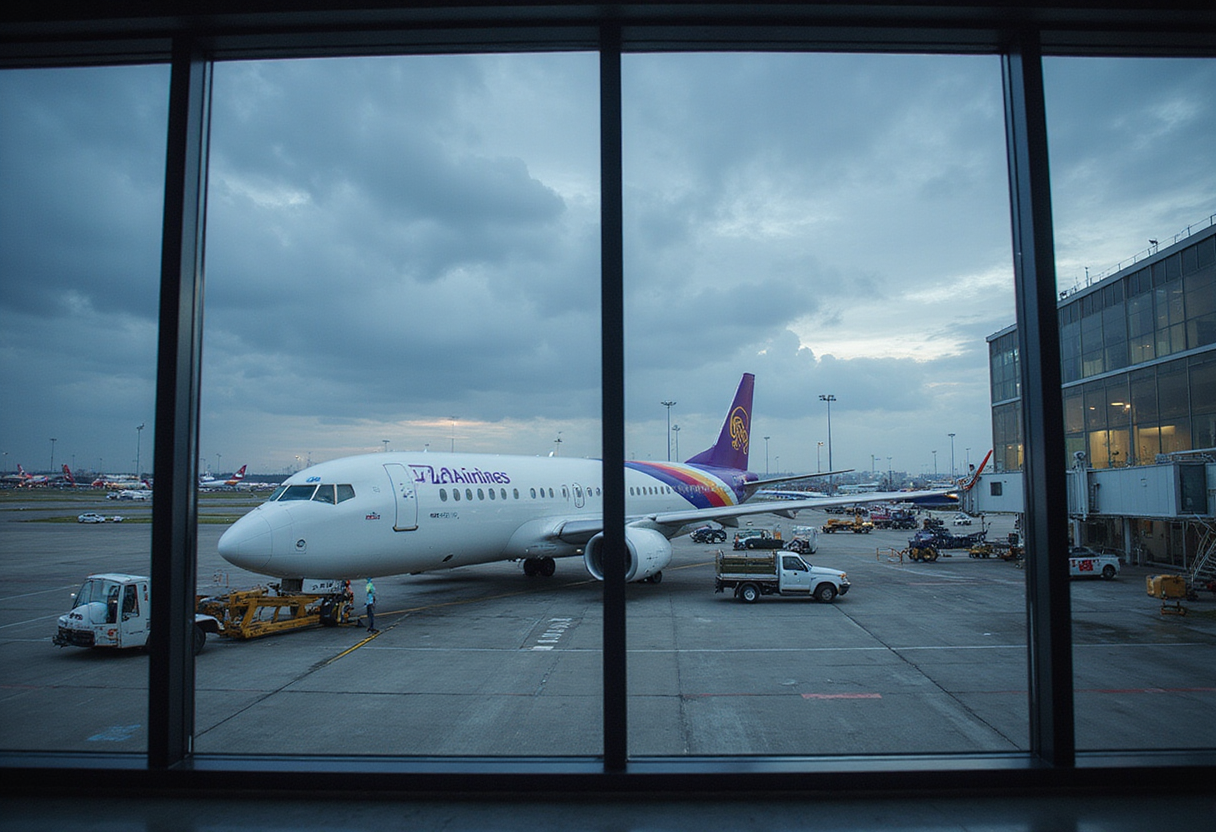
Thai Airways is under direct pressure from Suphajee over a cargo suspension that has now run for seven days, putting the flag carrier's freight operations squarely in the spotlight for shippers and forwarders moving goods through Bangkok.
The seven-day halt matters far beyond one airline's belly-hold business. Thai Airways is the dominant belly-cargo operator out of Bangkok's Suvarnabhumi Airport, and any extended suspension tightens already limited lower-deck capacity on routes linking Thailand to Europe, East Asia and the wider ASEAN region. Forwarders who depend on that capacity now face rebooking decisions, potential conversions to other carriers, and rate exposure on lanes where alternatives are thin.
Suphajee's decision to press the airline publicly signals that the suspension is being treated as a serious operational and commercial issue rather than a routine disruption. When a figure of that standing intervenes, carriers typically face accelerated timelines to explain the cause, disclose a recovery schedule, and reassure cargo customers that bookings, handling commitments and cool-chain shipments will not be left in limbo.
For shippers, the immediate commercial consequences are concrete. Perishable exporters — a core segment of Thai airfreight — are the most exposed, because temperature-sensitive cargo cannot wait indefinitely for capacity to return. Electronics and high-value manufacturers with fixed delivery windows face the same squeeze. Each day of suspension pushes more volume toward competing carriers out of Suvarnabhumi and toward trucking options to regional gateways, both of which come at a cost and service premium.
For competing carriers, the suspension is a capacity windfall. Airlines with freighter operations or spare belly capacity on Thai routes can absorb diverted tonnage and, in a tight market, price it accordingly. Freight forwarders, meanwhile, must manage the churn: rebooking, renegotiating rates mid-crisis, and answering to customers whose supply chains were built around Thai Airways' schedule.
The seven-day duration is the number that matters. A one- or two-day suspension can be absorbed with minor rebookings. A full week means missed sailing-and-flying cycles, backlogged warehouse docks, and shipments that may miss connection points across the carrier's network. It also raises questions about how quickly Thai Airways can clear any accumulated backlog once cargo operations resume — assuming they resume on a defined timeline, which is precisely what Suphajee's intervention is designed to force into the open.
The episode lands at a delicate moment for the carrier. Thai Airways has spent recent years restructuring following its court-supervised rehabilitation, and cargo has been one of the brighter revenue lines in its recovery mix. Any extended cargo disruption therefore carries a reputational cost as well as a revenue cost, particularly with freight customers who have alternatives and long memories when service reliability falters.
What shippers and forwarders need now is a firm restart date, a stated backlog-recovery plan, and clarity on whether affected bookings will be honored or re-accommodated at agreed rates. Suphajee's pressure suggests those answers are being demanded at the highest level, and the market will be watching the carrier's next statement closely.
Until Thai Airways confirms a resumption timeline, freight customers on Thai lanes should treat capacity as constrained, expect firmer pricing from alternative carriers, and build contingency routings into near-term planning.
Source: Google News: air cargo
More from Elena Vasquez
Show full bio
News editor covering industry trends and analytics at Waybill Wire.
144 articles
Related05
Thai floods hit air cargo flows and force Toyota plant shutdowns
Thai floods stop four Toyota plants and air cargo intake
US forwarders demand action after Monday's flight disruption
Air Cargo Demand Climbs 4.0% in April as Middle East Routes Absorb Shock
Asia Port Congestion Could Persist Into 2027, Analysts Warn