WW/OCEANFREIG
Tanker Ablaze in Strait of Hormuz After Striking Naval Mine
An oil tanker caught fire after striking a naval mine in the eastern Strait of Hormuz, Iran's navy said, as limpet mine attacks and transit restrictions escalate in the chokepoint.
- Desk
- Ocean Freight
- By
- Marcus Bennett
- Filed
- Length
- 686 words
- Read
- 3 min
Key points04
- An oil tanker caught fire Saturday morning after hitting a naval mine in the eastern Strait of Hormuz, Iran's navy said.
- A limpet mine attack in late October was the first successful use of such explosives in the waterway since the US-Iran war began in February.
- Pakistan negotiated with Iran for safe passage of LNG carrier Al Mayeda before the ship was attacked near the strait, Bloomberg reported November 1.
- Iran's Revolutionary Guards said an LNG tanker struck a mine after using an 'unauthorized and dangerous route.'
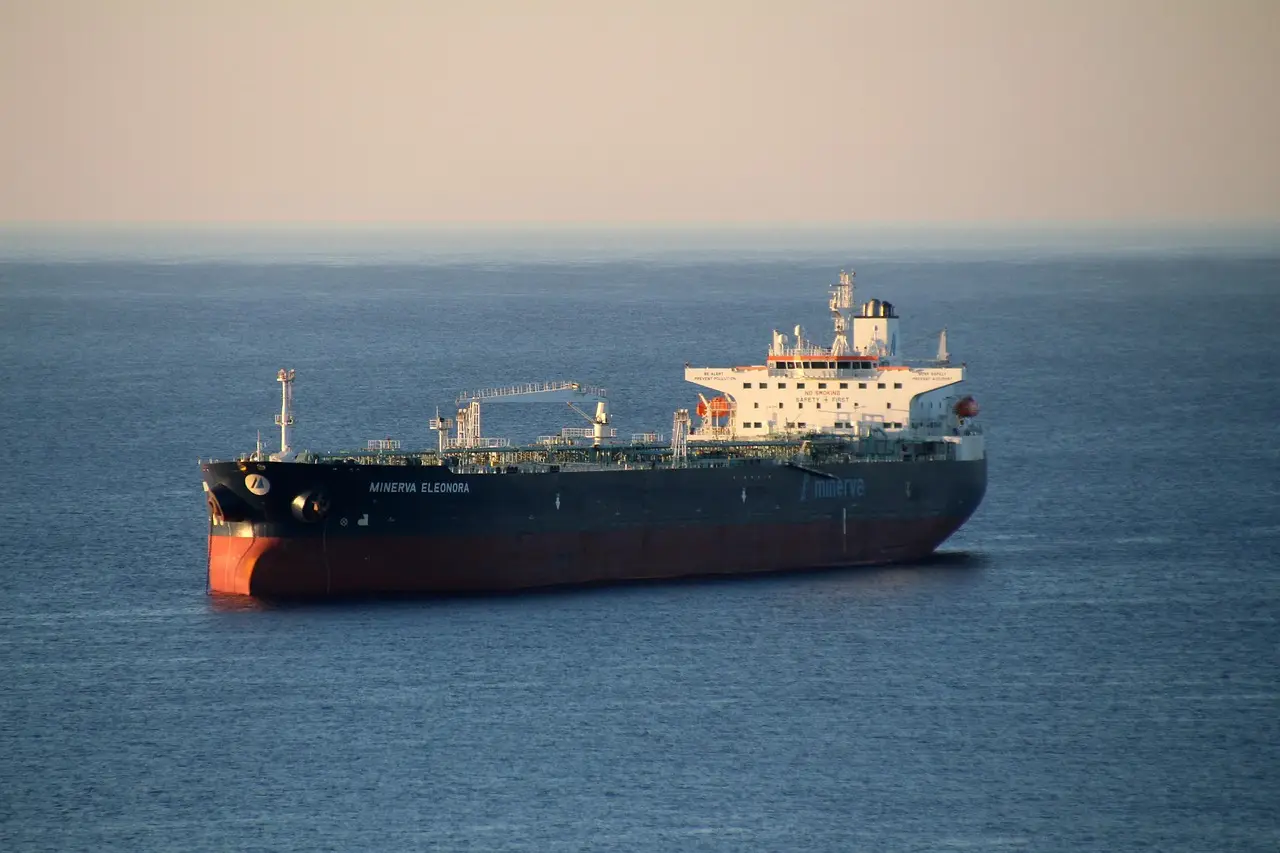
An oil tanker caught fire on Saturday morning after striking a naval mine in the eastern Strait of Hormuz, Iran's navy said, in the latest in a string of attacks on merchant shipping in the world's most critical oil transit chokepoint.
Iranian state media carried the navy's account of the incident. No casualties or vessel identity beyond the tanker designation were reported in the initial statements, and no independent verification of the mine strike has yet surfaced — a gap shippers will want closed before reassessing war-risk terms.
The explosion fits an established pattern. Iran has imposed restrictions on vessels seeking to pass through the Strait of Hormuz and has attacked ships it says violated those restrictions, as it seeks to assert control over the strategic waterway and exert pressure on the United States. Roughly a fifth of globally traded oil normally moves through the 21-mile-wide channel, which makes any mine threat a systemic risk rather than an isolated incident.
What has happened in the strait since February?
The record since the US conflict with Iran began in February shows an escalating tempo of attacks.
- Iran's Revolutionary Guards navy said a tanker carrying liquefied natural gas struck a naval mine and suffered an explosion in the Strait of Hormuz on a Friday, after using what the Guards described as an "unauthorized and dangerous route," according to state media.
- Pakistan negotiated with Iran to secure safe passage for the LNG carrier Al Mayeda before the ship was attacked near the strait, Bloomberg's Stephen Stapczynski reported on November 1. The negotiation's existence is itself significant: it implies Tehran is treating transit permissions as a bargaining instrument, and that safe-passage deals can precede rather than prevent an attack.
- A small boat attached two limpet mines to the hull of a tanker in the strait, causing a fire in the engine room and temporarily disabling the vessel — the first successful use of such explosives in the waterway since the US war with Iran began in February, maritime sources said in late October.
That last detail deserves emphasis. Before October 30, limpet mines had failed in the waterway; now one has worked, disabling an engine room. Mine effectiveness, once demonstrated, tends to reshape insurance pricing and routing decisions faster than diplomatic statements do.
Why does this matter for commercial shipping?
Three consequences follow directly from the reported facts.
First, transit through Hormuz now carries a demonstrated mine risk — both contact mines, as in Saturday's tanker fire, and hull-attached limpet charges. Vessels cannot manage this threat through speed or routing alone.
Second, Iran's restriction regime creates a permission problem. A carrier that deviates from approved routes, in the Guards' framing an "unauthorized and dangerous route," becomes a legitimate target in Tehran's eyes. That converts every passage plan into a political document.
Third, the Al Mayeda precedent shows governments are already negotiating passage state-to-state. Pakistan's intervention suggests national governments, not private security firms, are becoming the primary channel for risk mitigation — a model available to few flag states and fewer charterers.
Tankers were seen massing off the coast of Fujairah in the United Arab Emirates as Iran vowed to close the strait entirely, in a Reuters image dated March 3, during the US-Israel conflict with Iran. Fujairah, outside the strait itself, has functioned as the region's bunker and waiting anchorage, and congestion there is the most visible barometer of how many owners are refusing the transit.
What is not being said?
The Iranian accounts come exclusively through state media and the Revolutionary Guards. No independent damage assessment, no cargo volume, no owner statement, and no casualty figure has accompanied any of the reported incidents. Each promise of "restrictions enforcement" from Tehran has, so far, arrived without a published list of authorized routes — meaning compliance is deliberately unverifiable.
With mines now proven effective in the waterway and safe-passage negotiations underway at government level, the trajectory points to further attacks on non-compliant vessels and rising war-risk premia until a de-escalation changes the calculus.
Source: gCaptain
More from Marcus Bennett
Show full bio
Senior reporter covering regulation, policy and their impact on Ocean and air freight, container shipping at Waybill Wire.
896 articles
Related05
LNG Tanker Hits Mine in Strait of Hormuz, Iran's Guards Say
Four Tankers Afire in Strait of Hormuz as IRGC Cites 'Unauthorised Routes'
Two Tankers Strike Mines in Strait of Hormuz, Guards Say
Brent Above $100 as Vance Blames Iran War for GOP Midterm Loss
2,500-TEU Boxship Sinks in Strait of Hormuz Mine Strike, IRGC Claims