WW/WAREHOUSIN
Stow Cuts U.S. Racking Lead Times in Half With Georgia Plant
Stow Group's 240,000-sq-ft Calhoun, Georgia plant halves U.S. racking lead times to 6-9 weeks and insulates buyers from tariffs and ocean freight risk.
- By
- Amara Osei
- Filed
- Length
- 568 words
- Read
- 3 min
Key points05
- Stow Group opened its first U.S. plant: a 240,000-sq-ft racking factory in Calhoun, Georgia, first announced in 2025.
- Racking lead times drop from 12–15 weeks on imports to roughly 6–9 weeks with domestic production.
- The Calhoun site is Stow's eighth manufacturing facility, joining seven European plants serving 60+ countries.
- The plant produces stow punch and roll-formed teardrop racking to U.S. codes including RMI 2023.
- CEO Jos De Vuyst said Calhoun 'will not be our last' U.S. plant and pledged investment to capture market share.
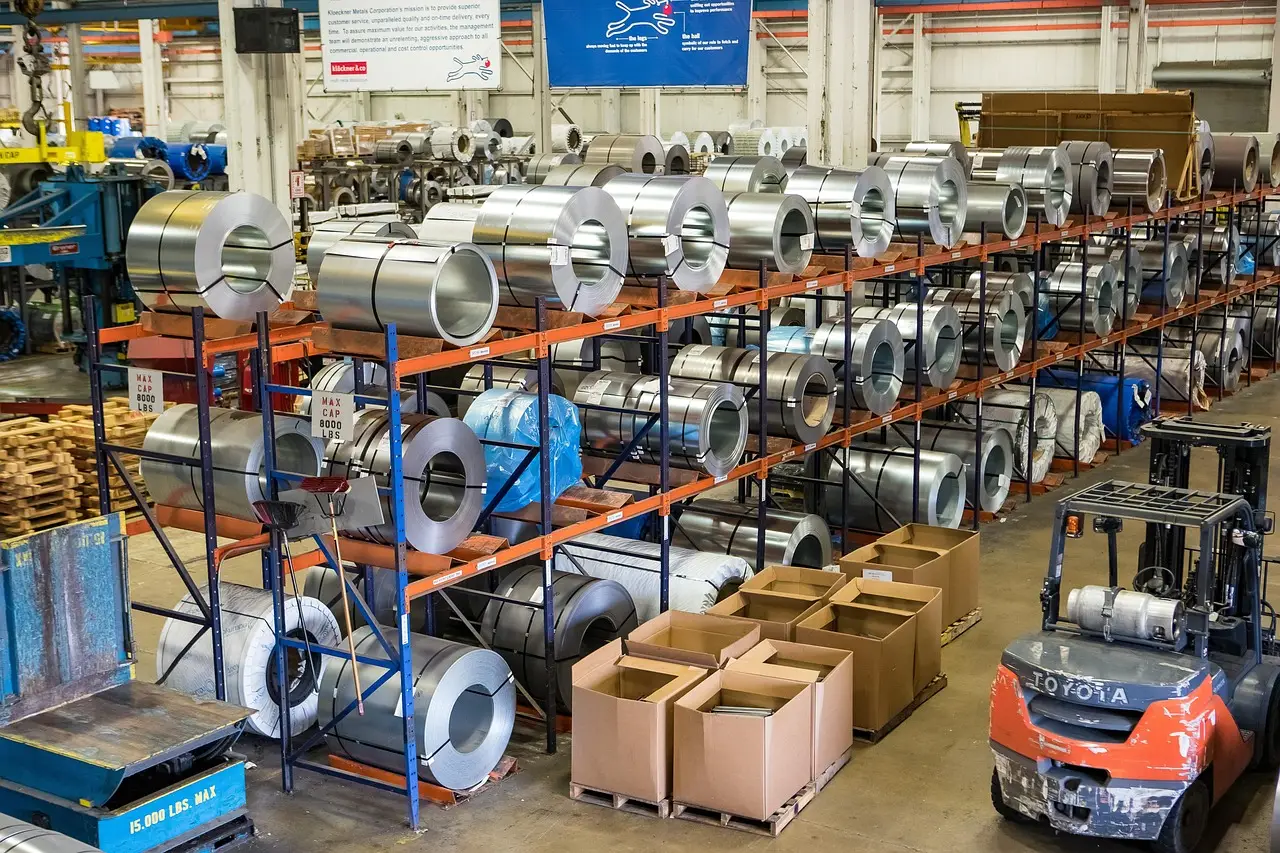
Warehouse racking lead times in the U.S. just halved. Stow Group says its new 240,000-square-foot plant in Calhoun, Georgia, will cut delivery from 12–15 weeks on imported product to roughly 6–9 weeks for domestic output.
That's the sharpest number in the story, and for warehouse operators it's the only one that matters. A quarter saved on a racking project is a quarter of throughput you're not waiting on.
The Belgian industrial storage and automation firm first announced the facility in 2025. It's Stow's eighth manufacturing site worldwide, adding an American node to seven European plants that together serve customers in more than 60 countries. Calhoun produces both stow punch and roll-formed teardrop racking systems, engineered to U.S. codes including the RMI 2023 standard.
What does this change for shippers and 3PLs?
Three things, practically:
- Speed. Lead times drop from 12–15 weeks to about 6–9 weeks, compressing project timelines and giving operators more room to flex capacity up or down.
- Exposure. U.S. buyers no longer ride ocean freight disruption, tariff volatility, or currency swings on their racking spend — import-linked risks that have bitten hard in recent years.
- Code compliance by default. Domestic production engineered to RMI 2023 removes a layer of specification friction that imported systems can carry.
For forwarders and ocean carriers, the calculus runs the other way. Every pallet rack assembled in Georgia is steel and components that don't move on a transatlantic box. It's one plant, so nobody should panic — but it's also the direction of travel for industrial imports generally.
A CEO with plans beyond one plant
Stow isn't framing Calhoun as a toe in the water. CEO Jos De Vuyst put it bluntly at the opening.
"This plant is not just a manufacturing facility — it is a statement of intent," De Vuyst said. "We are committed to the North American market for the long term. Calhoun is our first U.S. plant, but it will not be our last. We intend to capture significant market share in this market, and we will invest accordingly to make that happen."
That's about as unambiguous as corporate language gets. "Will not be our last" is a capital plan wearing a press release.
Stow calls the Calhoun investment significant for American advanced manufacturing. The company didn't publish a dollar figure, but a 240,000-square-foot production facility with code-certified engineering lines is not a modest line item — and the explicit pledge of further U.S. capacity signals more where that came from.
The wider read
The move fits a pattern warehouse operators know well: import-dependent equipment categories are localizing to dodge tariffs and freight risk. Racking is a heavy, low-margin-per-cubic-foot product that pays dearly for ocean transport and sits badly with schedule volatility. Making it near the customer is less a strategy than arithmetic.
Stow now competes on domestic soil with incumbent U.S. racking makers while keeping its European base intact — a hedge in both directions. Expect the lead-time gap to be the early battleground, with price and engineering support following.
If De Vuyst delivers on the "not our last" pledge, expect further U.S. capacity announcements as Stow chases market share through 2026 — and expect lead times, already halved, to stay the metric everyone watches.
Original: stow-group.com
More from Amara Osei
Show full bio
Staff writer covering regulation, policy and their impact on Ocean and air freight, container shipping at Waybill Wire.
585 articles
Related05
US factory backlog jumps as prices surge, tightening freight outlook
US retailers signal end to extended peak shipping season
Container Shipping Braces for 2027 Overcapacity as Mega Orderbook Hits the Water
Mammoth Freighters sends first 777-200LR to STAECO for freighter conversion
September PMI at 54.5: Ninth Month of Expansion, LTL Rates Up 8%