WW/OCEANFREIG
South Korea sets 2030 target for Arctic box service after first ship returns
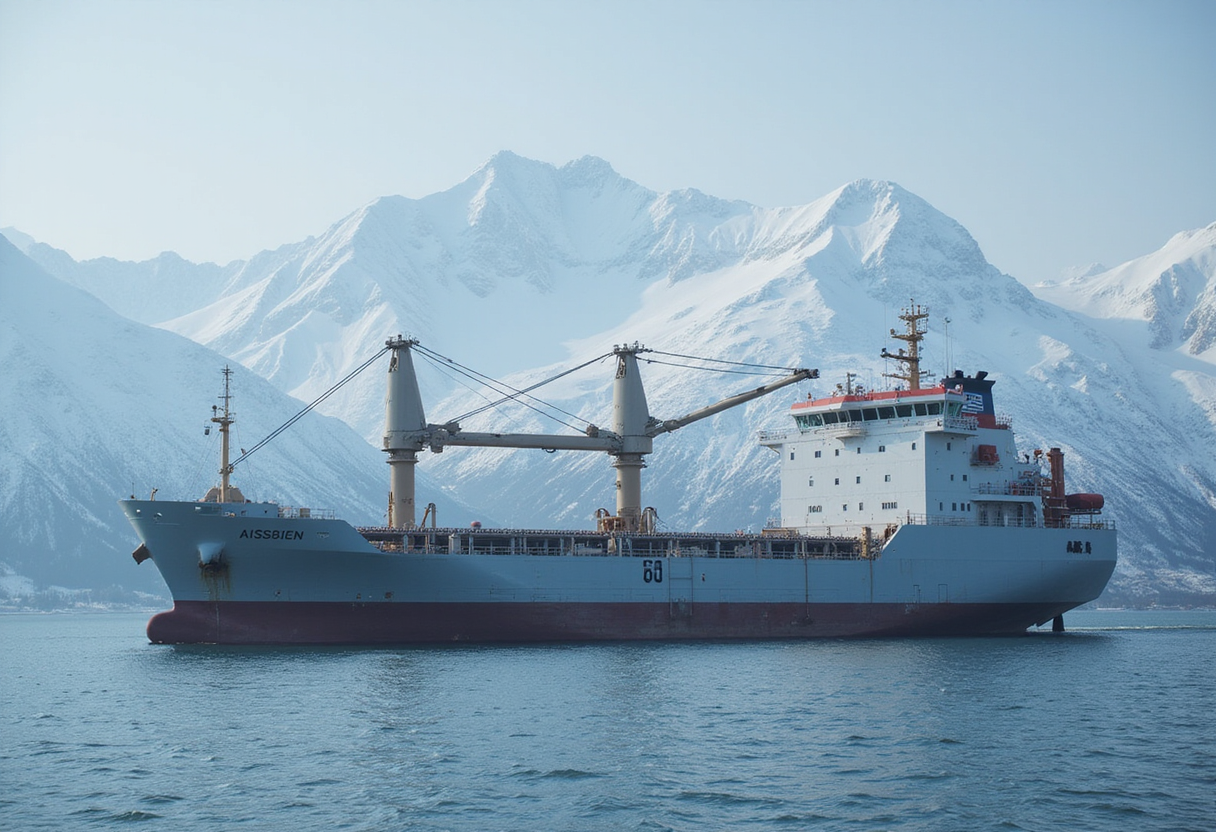
South Korea has set a 2030 deadline for a regular Arctic container service, after its first box ship returned from a Northern Sea Route transit. The target shifts the lane from research footnote to scheduled tradelane.
- Desk
- Ocean Freight
- By
- Amara Osei
- Filed
- Length
- 507 words
- Read
- 3 min
Key points05
- South Korea has set a 2030 target for a regular Arctic container shipping service.
- The country's first container ship has completed a Northern Sea Route transit and returned to port.
- The Northern Sea Route between Northeast Asia and Northern Europe runs roughly 40% shorter than the Suez routing.
- A regular service would require transit permits, pilotage, and icebreaker escorts from Russian operator Rosatomflot.
- Korean shipyards already build ice-class tonnage, anchoring the industrial base for any future scheduled service.
South Korea has set a 2030 deadline for a regular Arctic container service, following the return of its first box ship from a Northern Sea Route transit. The target elevates the polar lane from a research footnote to a scheduled tradelane — and that's the part shippers, carriers, and forwarders should sit up for.
A regular service is not a one-off voyage with a press release. It means published rotations, named tonnage, and predictable windows. It means someone in Seoul is willing to put a calendar date on commercial Arctic box operations.
What does the NSR actually offer?
The Northern Sea Route between Northeast Asia and Northern Europe runs roughly 40% shorter than the Suez routing, depending on port pair. That translates into fewer days at sea, lower bunker per TEU, and a smaller Scope 1 carbon number on every laden box. For BCOs chasing emissions intensity targets, the line item is not trivial.
The complications are equally concrete. The route remains seasonal, with viable transit windows tightly bound to summer ice conditions. Container operations demand schedule integrity — shippers do not book around ice forecasts. Escort, ice-class tonnage supply, and insurance pricing sit somewhere between scarce and unpriced.
Who builds the tonnage?
Korean yards already cut steel for ice-class hulls. A domestic NSR box service would feed an industrial cluster that knows the engineering, even if it has not yet run the operating model. The hard part is not the ship. It is the slot economics.
A single ice-class newbuild commands a capex premium over a Neo-Panamax, and the operating season is shorter. Expect any 2030-launched service to price at a premium to Suez during the summer window, then hard-switch back to conventional routings the rest of the year. That pricing will tell you whether the lane is a strategic statement or a commercial product.
What changes for shippers and forwarders?
The practical question: should a freight buyer pencil the NSR into a 2031 contract today? No. Wait for a named service announcement, a published calendar, and a confirmed ice-class operator before reconfiguring routings.
For forwarders, the more useful question is whether the policy signal itself moves the market. A named 2030 deadline forces ministries, yards, and operators to align behind a delivery date. That alignment tends to pull forward charter decisions, terminal planning, and even regulatory lobbying in coastal states.
What about the Russian transit risk?
The NSR runs through Russian-controlled waters. A regular Korean service requires permits, pilotage, and icebreaker escorts from Rosatomflot. That dependency sits quietly in every planning memo and loudly in every risk register. Sanctions exposure, transit fee volatility, and geopolitical tail risk remain unpriced in the headline.
What comes next?
Seoul has moved the file from "interesting voyage" to "deliverable by 2030." That is the most concrete part of the announcement. Watch for the identity of the operating carrier, the hull specification, and the published rotation.
Until those land, treat the maiden transit as a statement of intent rather than a tradelane.
Source: Google News: container shipping
More from Amara Osei
Show full bio
Staff writer covering regulation, policy and their impact on Ocean and air freight, container shipping at Waybill Wire.
445 articles
Related05
Korean Boxship Completes First 50-Day Arctic Round Trip to Europe
Arctic Boxship Returns to Korea as Polar Route Faces Reality Check
South Korea completes first Arctic container voyage as commercial challenges surface
South Korea Trials Arctic Container Sailing as Regular Service Looms
South Korea's Lee greets Arctic boxship as route's commercial test drags on