WW/OCEANFREIG
Russian Diesel Tanker Reverses Course 400 Miles Off New York
The Agioi Fanendes turned back 400 nautical miles off New York with 300,000 barrels of Russian diesel, as no Kremlin fuel cargo has yet reached the US.
- Desk
- Ocean Freight
- By
- Elena Vasquez
- Filed
- Length
- 662 words
- Read
- 3 min
Key points04
- The Agioi Fanendes, carrying ~40,000 tons (nearly 300,000 barrels) of Russian ultralow-sulfur diesel, turned back ~400 nautical miles off New York and has zigzagged since Monday.
- No Russian diesel cargo has reached the US despite the Putin-Trump supply agreement struck last month.
- Six Russian refineries with combined design capacity of ~1.7 million barrels a day have been attacked since the start of November.
- Russia loaded four US-bound diesel tankers per Interfax; Deputy PM Novak targeted over 2 million tons of November diesel exports.
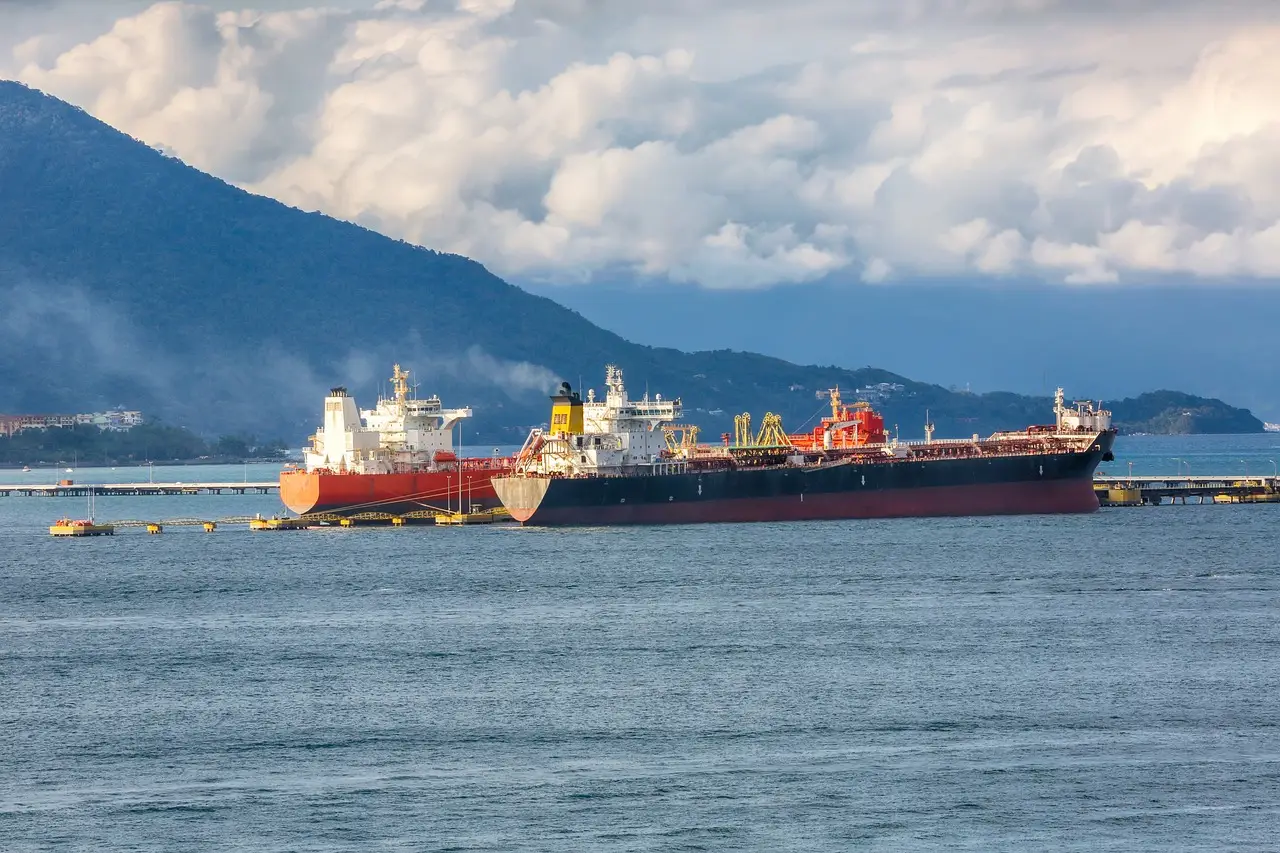
A tanker carrying roughly 40,000 metric tons of Russian ultralow-sulfur diesel — close to 300,000 barrels — made a U-turn about 400 nautical miles off New York, deepening uncertainty over whether any Russian fuel will actually land in the North American market.
The Agioi Fanendes had signaled New York as its destination after departing Russia's Baltic port of Primorsk in late October. It then switched its destination to "for orders" and has been moving in a zigzag pattern since Monday, according to a port report and ship-tracking data compiled by Bloomberg. The vessel, managed by Eastern Mediterranean Maritime Ltd., remains in limbo.
"The vessel is proceeding for orders as the discharging port is not confirmed yet," the manager said in an email, repeating an earlier response to questions about the ship's movements.
Why does one tanker matter to fuel markets?
Traders are tracking every movement of Russian diesel because of a political bargain, not routine arbitrage. President Vladimir Putin agreed last month to supply fuel to the US and global markets in a deal struck with President Donald Trump. The arrangement drew sharp criticism from US Democrats, who argued it would help the Kremlin finance its war in Ukraine.
So far, the skeptics' caution looks warranted on the evidence: no Russian diesel cargo has reached America, tracking data show. The Agioi Fanendes, once positioned as a potential first delivery, is now drifting without a confirmed discharge port — a visible sign that the commercial and political mechanics of the deal remain unresolved.
Russia, for its part, has acted on the supply side. Interfax reported last month that the country loaded four tankers with diesel destined for the US, in line with the Putin-Trump agreement.
What pressures sit behind the deal?
The agreement was aimed at lowering fuel prices ahead of the US midterm elections, though Democrats argued its volumes would be too limited to move the market. There is also a harder constraint: doubt over whether Russia can export as much diesel as it promised.
The reason is Ukraine's renewed bombardment of Russian refineries. Since the start of November, six Russian refineries have come under attack, according to a Bloomberg tally based on statements from people familiar with the incidents. Those six facilities represent total design capacity of around 1.7 million barrels a day — a substantial share of the country's fuel-producing base.
For context, Russian Deputy Prime Minister Alexander Novak said in late October that the country aimed to export more than 2 million tons of diesel to global markets in November. That target is equivalent to roughly 15 million barrels over the month. Novak himself acknowledged the caveat: Ukrainian attacks may trim available supplies.
What are the consequences for shippers and traders?
For cargo owners and fuel traders, the practical takeaway is hesitation at the discharge end. A tanker switching from a named port to "for orders" and then holding position signals that no buyer, terminal or regulator has cleared the delivery. Any counterparty in the diesel supply chain — from charterers to East Coast fuel distributors — now faces prolonged scheduling risk on Russian-origin barrels.
For carriers and vessel operators, the episode illustrates the reputational and logistical complications of moving Russian fuel toward US ports while the political argument in Washington continues. A zigzagging tanker burning fuel without a confirmed berth is a cost with no revenue at the end of it.
The timeline itself tells the story in sequence: late October departure from Primorsk, a New York signal, the switch to "for orders," Russia's announcement of four US-bound tankers, six refinery attacks since November began, and now a U-turn 400 nautical miles offshore. Each step has added friction rather than resolution.
With the Agioi Fanendes still awaiting orders and Ukraine's strikes on Russian refining capacity continuing, the odds of Russian diesel reaching American shores in meaningful volumes before the midterms appear to be shrinking by the week.
Source: gCaptain
More from Elena Vasquez
Show full bio
News editor covering people, launches and day-to-day practice in Ocean and air freight, container shipping at Waybill Wire.
826 articles
Related05
40,000 Tons of Russian Diesel Headed for New York
Russian Diesel Tanker Stalled Off US Coast as Import Ban Dispute Deepens
Senator Demands Russian Diesel Tanker Reverse Course as Legal Fight Escalates
Russian diesel tankers head for US amid sanctions dispute
300,000 Tons of Russian Diesel Draw U.S. Congressional Scrutiny