WW/TRADEPOLIC
Russian diesel tankers head for US amid sanctions dispute
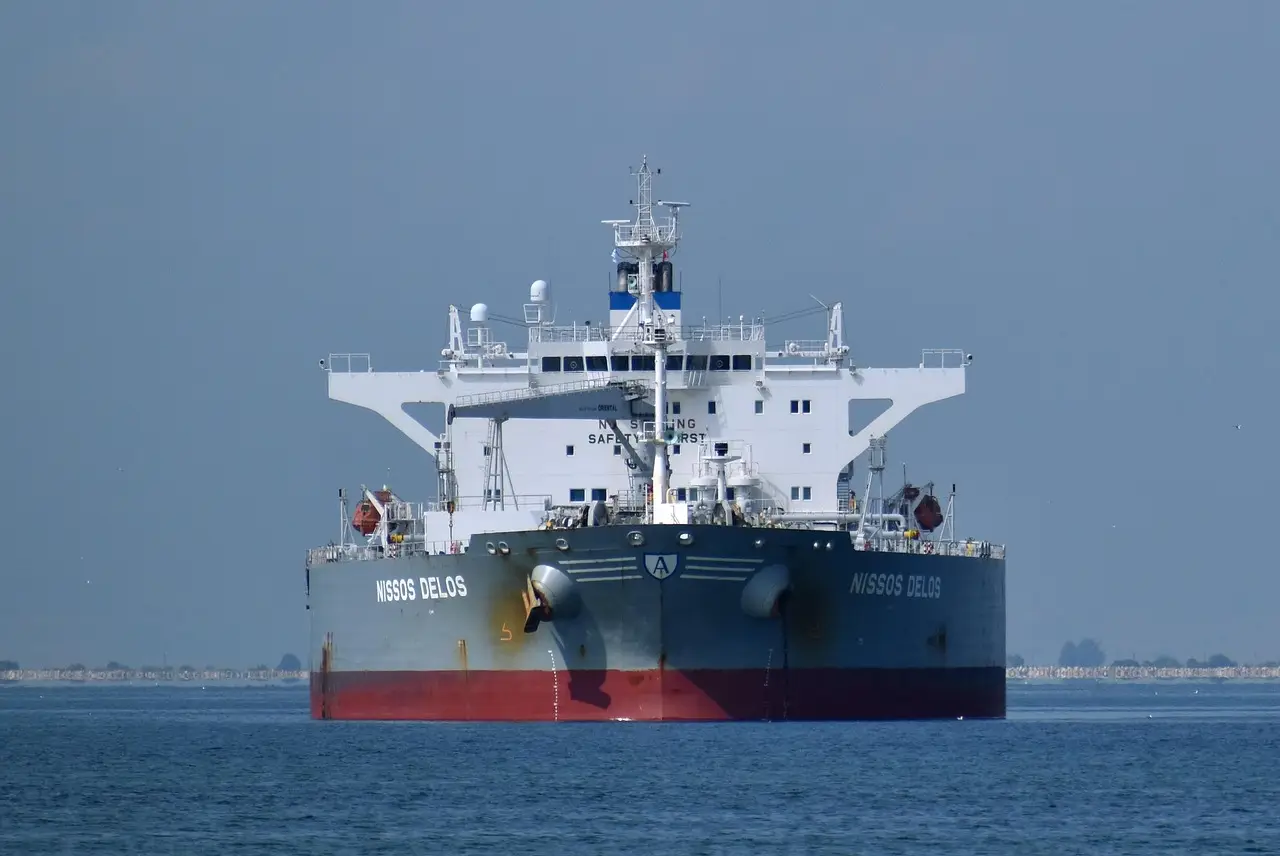
Three tankers carrying 924,000 barrels of Russian diesel have left Primorsk for the US, but sanctions on two vessels, a six-month waiver and shifting destinations cloud delivery.
- Desk
- Trade & Tariffs
- By
- Marcus Bennett
- Filed
- Length
- 820 words
- Read
- 4 min
Key points05
- Talisman, Leruo and Agioi Fanendes carry a combined 924,000 barrels of Russian diesel from Primorsk.
- The tankers departed between October 16 and 22 and are expected at the US Atlantic coast between November 7 and 11.
- Agioi Fanendes loaded approximately 40,000 tonnes of ultra-low-sulphur diesel on October 22.
- Talisman is sanctioned by the US and EU, while Leruo appears on British and EU lists.
- The six-month exemption permits transactions involving Russian-origin diesel through April 7 next year.
Three tankers loaded with a combined 924,000 barrels of Russian diesel are sailing from Primorsk toward the US Atlantic coast, with two vessels subject to sanctions and arrival expected between November 7 and 11.
Moscow was preparing to dispatch a fourth tanker on the day of reporting, but no name, cargo volume or destination was supplied for that voyage. The three tracked ships are moving under the controversial agreement between US President Donald Trump and Russian President Vladimir Putin, which has drawn opposition from US lawmakers.
Russian Deputy Prime Minister Alexander Novak said the shipments “demonstrate that Moscow and Washington are implementing their agreement despite political opposition.” His statement describes Moscow's position, but tracking data cannot establish that the tankers will discharge in the United States or clear every legal and sanctions requirement.
Kpler vessel-tracking data identifies the ships as Talisman, Leruo and Agioi Fanendes, together carrying 924,000 barrels. All three departed Primorsk, a Russian Baltic port, between October 16 and 22. Their declared destinations remain subject to change, making the November 7-11 arrival window an estimate rather than a firm delivery schedule.
What do the sanctions lists cover?
Kpler reports the following vessel-specific positions:
- Talisman is sanctioned by the US and European Union.
- Leruo appears on British and EU sanctions lists.
- Agioi Fanendes is Malta-flagged, managed by Greek interests and not listed as sanctioned in the report.
The Agioi Fanendes loaded approximately 40,000 tonnes of ultra-low-sulphur diesel at Primorsk on October 22. Available figures provide no separate cargo volume for Talisman or Leruo, individual departure dates, or the size and capacity utilization of any tanker.
That omission matters. A cargo-volume total cannot show how much usable capacity each ship offers, how many US ports could receive the diesel, or what freight rate a charter might command. The report also identifies no carrier, charterer, cargo owner, US discharge terminal or receiving refinery.
What does the waiver change for shippers and carriers?
The Trump administration issued a six-month sanctions exemption earlier that month, allowing transactions involving Russian-origin diesel until April 7 next year. The measure addresses cargo transactions, while the Talisman and Leruo listings remain separate obstacles in the available account.
The administration introduced the concession to help relieve soaring US fuel prices, which have risen because of the Iran conflict and disruptions to global refining and shipping.
For US shippers, the potential commercial benefit is access to up to 924,000 barrels of Russian-origin diesel, just under one million barrels, if the voyages complete and the cargo clears all applicable requirements. Additional supply could ease procurement pressure at the margin, but no US consumption figure, refinery schedule or price series was provided to measure that effect.
For carriers and forwarders, compliance risk comes first. A bipartisan group of US lawmakers has warned banks, ports and energy companies against handling the cargoes, arguing that the Treasury exemption cannot override legislation passed in 2022 banning imports of Russian petroleum products.
Any party must therefore verify vessel status, cargo origin, exemption coverage and destination acceptance before committing to a voyage or discharge. European and British restrictions on Russian petroleum imports also remain in force, complicating the movement of Talisman and Leruo through international waters.
Those restrictions do not prove an interception, and the report identifies no enforcement action. They nevertheless leave banks, ports and energy companies facing political pressure over any involvement, while carriers and forwarders must document the sanctions position of each vessel. The commercial cost of that uncertainty cannot be calculated because no freight rates, transaction values or financing terms were provided.
Will the cargo reach and clear US ports?
The first test is physical: whether all three tracked tankers maintain their course and arrive during November 7-11. The report expressly says declared destinations remain subject to change, and all three tankers have already sailed. A declared US destination is not evidence that a vessel will discharge there.
The second test is legal. The lawmakers' claim that the Treasury exemption cannot override the 2022 import ban creates a direct conflict with the administration's policy. The available account reports no court ruling or detailed Treasury guidance that resolves it. EU and British restrictions on Russian petroleum imports also remain in force, leaving the sanctioned tankers' movements legally complicated.
The available information also does not say whether US fuel buyers have contracted any of the 924,000 barrels, whether Russian sellers have agreed terms with US importers, or how the three cargoes relate to the fourth tanker, for which no details were supplied. Those gaps weaken any claim that the shipments already have reduced US diesel prices.
The next observable checkpoints are the tankers' November 7-11 arrivals and the April 7 expiry of the exemption; until actual discharge volumes and legal clearance are known, any claimed effect on US diesel prices or freight rates remains unproven.
Source: Splash247
More from Marcus Bennett
Show full bio
Senior reporter covering regulation, policy and their impact on Ocean and air freight, container shipping at Waybill Wire.
725 articles
Related05
40,000 Tons of Russian Diesel Headed for New York
UK Sanctions Now Cover Over 90% of Russian Oil Capacity
White House Weighs Shadow Fleet Sanctions Relief as Tanker Rates Hit Records
Shadow Fleet Sanctions Relief Talk Wipes Billions Off Tanker Stocks
UK Sanctions Eight Russian Ships in Latest Crack on Energy Trade