WW/TRADEPOLIC
Russian Diesel Returns to US Ports as 109,000-Barrel Cargo Nears Norfolk
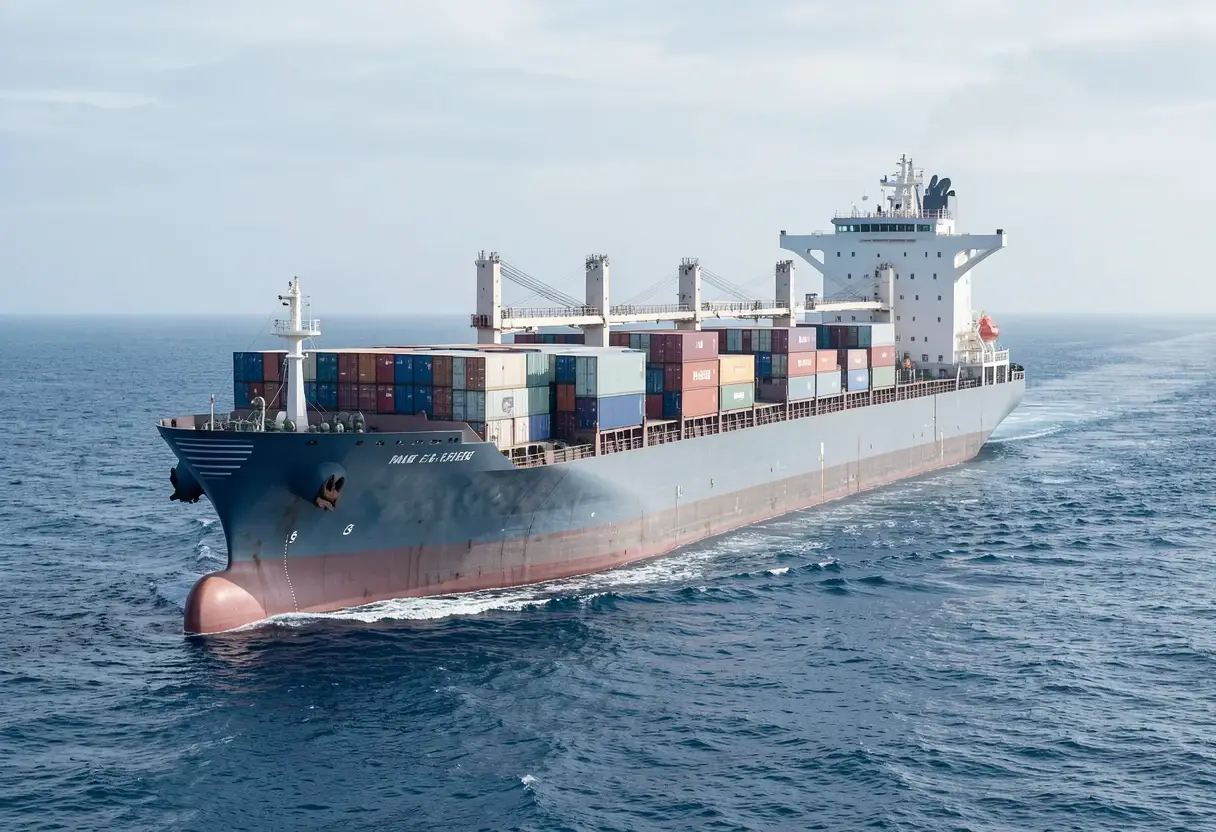
The PVT Azura, carrying 109,000 barrels of Russian diesel from St. Petersburg, is due in Norfolk on November 2 — the first such US arrival since July 2023.
- Desk
- Trade & Tariffs
- By
- Amara Osei
- Filed
- Length
- 672 words
- Read
- 3 min
Key points05
- The PVT Azura, carrying 109,000 barrels of Russian diesel, is expected in Norfolk on November 2.
- Treasury General License 135 authorizes Russian diesel imports through April 7, 2027.
- The Agioi Fanendes loaded ~300,000 barrels of ULSD at Primorsk on October 22, signaling New York for November 7.
- The Trump-Putin deal covers 300,000 tons of diesel now, 500,000 tons in November, and 1 million tons thereafter.
- The last Russian diesel delivery to the US was in July 2023, per the Associated Press.
A Vietnamese-flagged tanker carrying 109,000 barrels of Russian diesel is expected at Norfolk, Virginia, on November 2 — potentially the first Russian diesel to reach a US port in more than three years.
The PVT Azura (IMO 9423683) departed St. Petersburg on October 15 and is currently signaling Norfolk as its destination, according to VesselFinder tracking data. If it discharges, the cargo ends a drought that began with the Biden administration's 2022 ban on Russian energy imports. The last recorded delivery of Russian diesel to the United States came in July 2023, according to the Associated Press.
The timing is not accidental. The arrival lands one day before the November 3 midterm elections, and the Trump administration has been openly easing restrictions on Russian diesel to bring down soaring fuel prices.
What does the policy shift actually change?
Quite a lot, on paper. On October 9, President Trump announced an agreement under which Russia would immediately supply 300,000 metric tons of diesel to the United States and global markets, followed by another 500,000 tons in November and 1 million tons thereafter.
The same day, the US Treasury issued General License 135, authorizing transactions covering the sale, delivery, offloading and importation of Russian-origin diesel through April 7, 2027. That's a 17-month window for anyone in the fuel trade who wants to use it.
Then, on October 16 — one day after the PVT Azura sailed from St. Petersburg — Trump signed an executive order waiving sanctions and tariffs under the Graham Act. The president said the waiver was "in the national interests of the United States."
For refiners, traders and tanker operators, the message is blunt. "This effort shows other players in the oil industry that the U.S. is open for business when it comes to buying Russian diesel," said Andy Lipow, president of Lipow Oil Associates.
A second, larger cargo is already behind it
The PVT Azura won't be alone for long. Reuters identified a second shipment on Friday as the first cargo heading to the United States under the Trump-Putin agreement: the Malta-flagged Agioi Fanendes, which loaded 40,000 metric tons of ultra-low-sulfur diesel — roughly 300,000 barrels — at Russia's Baltic port of Primorsk on October 22.
The Agioi Fanendes has signaled New York as its destination, with an expected arrival of November 7, though its final discharge port remains unconfirmed. Together, the two cargoes would put about 400,000 barrels of Russian product back into the US supply chain within a week.
The vessel with a resume
The PVT Azura is a conventional product tanker owned by PetroVietnam Transportation Corporation, according to classification records, and it has a history of moving Russian petroleum products. Port call data from MyShipTracking.com shows calls this year at St. Petersburg and Svetly in Russia, the José Terminal in Venezuela, Constanța in Romania, Szczecin in Poland, and Botlek, a major petroleum storage hub in the Port of Rotterdam.
The tanker's year also included an incident with a sanctions edge. On February 15, the PVT Azura suffered engine failure and went adrift in Germany's Kiel Canal. Two tugs towed it back toward Kiel, but sanctions tied to Russian oil shipments reportedly prevented it from berthing at a German port. A ship once refused a berth in Germany is now welcome in Virginia. Policy does move quickly.
One detail softens the Norfolk arrival's commercial significance: the tanker is reportedly not headed to the Port of Virginia's commercial terminals, but to a facility associated with US military operations. The precise discharge location and intended use of the cargo have not been independently confirmed. The US Coast Guard did not respond to a request for comment by the time of publication.
The PVT Azura's arrival will serve as an early test of the administration's reopening of the US market — and of whether Moscow can actually deliver enough additional supply to move retail fuel prices before voters notice it hasn't.
Source: gCaptain
More from Amara Osei
Show full bio
Staff writer covering regulation, policy and their impact on Ocean and air freight, container shipping at Waybill Wire.
731 articles
Related05
300,000 Tons of Russian Diesel Draw U.S. Congressional Scrutiny
U.S. Greenlights Up to 4.8M Tons of Russian Diesel Through April 2027
Maine truckers and senators push back on Trump's Russian diesel plan
40,000-Ton Russian Diesel Cargo Sets Course for New York
Russia and Ukraine Agree 'Energy Ceasefire' as 13.5M Barrels of Diesel Loom