WW/TRADEPOLIC
40,000-Ton Russian Diesel Cargo Sets Course for New York
The Agioi Fanendes is expected to carry 40,000 metric tons of Russian diesel from Primorsk to New York, reviving a post-2022 import lane amid contract and payment uncertainty.
- Desk
- Trade & Tariffs
- By
- Amara Osei
- Filed
- Length
- 867 words
- Read
- 4 min
Key points05
- Agioi Fanendes loaded 40,000 metric tons of ultra-low-sulfur diesel at Primorsk on October 22.
- The Malta-flagged tanker is heading for New York, with a U.S. arrival expected November 7.
- On October 9, Trump announced 300,000 tons for immediate export, 500,000 tons for November and 1 million tons thereafter.
- The cargo would be the first U.S. import of Russian oil or petroleum products since Biden’s 2022 ban.
- Russia targets normal diesel exports of 3 million to 3.5 million tons per month by year-end.
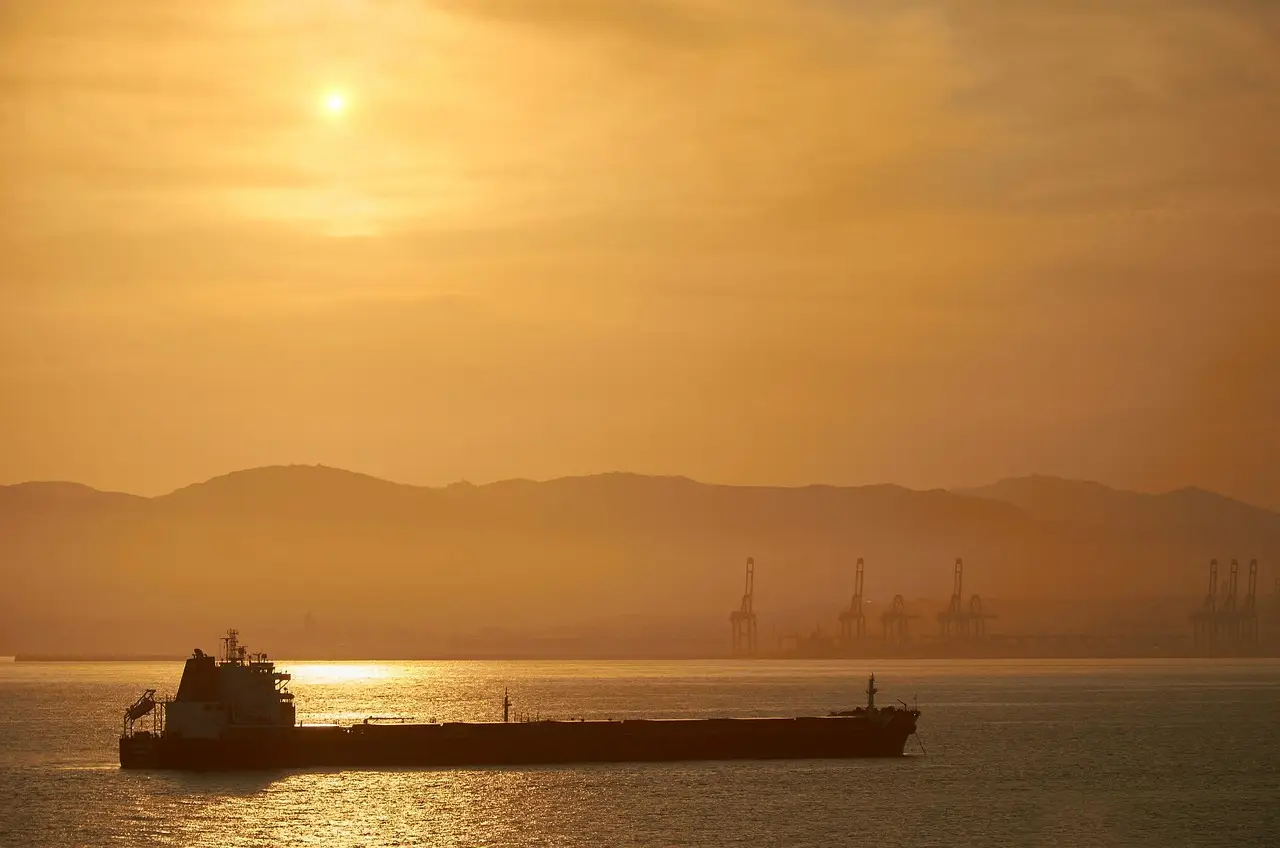
The medium-sized, Malta-flagged Agioi Fanendes loaded 40,000 metric tons of ultra-low-sulfur diesel at the Baltic port of Primorsk on October 22 and is heading for New York, LSEG data showed. It would be the first U.S. import of Russian oil or petroleum products since President Joe Biden’s 2022 ban.
A deal built around diesel prices
President Donald Trump announced the surprise arrangement with Russian President Vladimir Putin on October 9, saying Russia would immediately export 300,000 metric tons, or 2.25 million barrels, to the United States and global markets. He followed that with 500,000 tons in November and 1 million tons “immediately thereafter.”
On paper, the first 40,000-ton load equals about 13% of the opening tranche. Trump framed the agreement as an effort to bring down soaring diesel prices before the November 3 U.S. mid-term elections.
Trump also waived parts of a new U.S. sanctions law against Russia. He threatened Europe with a U.S. diesel export ban unless countries released more from their emergency reserves, extending the deal’s pressure beyond Russia.
For European buyers, the pressure is direct: access to U.S. diesel now depends partly on strategic stock releases. For U.S. traders, the waiver opens a route for Russian product, although each later cargo still requires sanctions checks.
First cargo, with caveats attached
LSEG’s destination signal points to New York, but the buyer and seller were not immediately known. For a trade announced two weeks earlier, the counterparties remain rather more theoretical than the vessel.
Kremlin spokesman Dmitry Peskov confirmed on Friday only that a first ship had departed under the deal, not that it was headed for the United States. His wording left the destination open.
Peskov said: “As far as I’m aware, there have already been reports from the Ministry of Energy that the first tanker has, in fact, set sail for its recipients, its buyers. Further shipments will continue at a steady pace from here on.”
Russia lifted its self-imposed diesel export ban as part of the agreement, allowing cargoes to resume moving to overseas markets. That removes one supply restriction; it does not settle the commercial terms.
Contracts and payments are the bottlenecks
Russian Deputy Prime Minister Alexander Novak said additional U.S. shipments would follow as companies from the two countries worked out the necessary contracts. Cargo still needs buyers, sellers, compliant routing and settled payment instructions before it becomes a repeatable trade.
Putin envoy Kirill Dmitriev, who also heads Russia’s sovereign wealth fund, said last week that the U.S. Treasury had asked the fund to help sort out tricky payment issues. That makes banks and sanctions teams the gatekeepers; the paperwork has not moved at cargo speed.
Bloomberg separately reported that Washington’s plan to rehabilitate sanctioned tankers to boost oil supply may attract only a sliver of the dark fleet. Existing contracts, complex compliance checks and sky-high costs could limit participation, making financeable, compliant capacity more relevant than the sheer number of hulls.
What does this change for shippers and carriers?
For shippers, the immediate change is an additional potential source of diesel while Trump says prices are soaring. One 40,000-ton cargo is useful but modest against the announced 300,000-ton opening tranche, while unknown counterparties make nomination, credit and sanctions checks more important than headline tonnage.
For carriers, a revived Russia-U.S. product flow could generate tanker demand from Primorsk. For forwarders, the practical change is narrower: they can quote the route, while destination, payment and compliance risk still belong in the landed-cost calculation.
Russia has not redirected all exports to America. Since the European Union imposed a full embargo on Russian oil products in February 2023 over the war in Ukraine, Russia has exported diesel mainly to Turkey and Brazil, with African countries also taking cargoes; Central Asia receives supply by rail.
LSEG and Kpler data published that week showed at least two tankers signaling trips to Turkey and Brazil after Moscow lifted its own ban. Other cargoes loaded in Primorsk signaled Gibraltar, the Atlantic Coast or Port Said, leaving their destinations unclear.
Novak said Russia could return diesel exports to its usual 3 million to 3.5 million tons per month by year-end. That equals roughly 100,000 to 117,000 metric tons a day on a 30-day month, so the 40,000-ton U.S. cargo represents about one-third to two-fifths of a normal day’s exports at that target.
If U.S. contracts and payments develop slowly, established buyers can absorb more recovered volume. If they develop quickly, Primorsk gains another long-haul outlet and U.S. shippers gain a new supply option, though not yet at a predictable price.
The next tests are concrete: signed contracts, workable payment instructions and firm destinations for tankers already loading at Primorsk. If those clear, the expected November 7 arrival becomes the template for a recurring service. If they do not, Russia’s export recovery can still continue, while U.S. buyers will have seen one diplomatic cargo arrive without a dependable supply chain.
Source: gCaptain
More from Amara Osei
Show full bio
Staff writer covering regulation, policy and their impact on Ocean and air freight, container shipping at Waybill Wire.
723 articles
Related05
40,000 Tons of Russian Diesel Headed for New York
Russia and Ukraine Agree 'Energy Ceasefire' as 13.5M Barrels of Diesel Loom
Senator Demands Russian Diesel Tanker Reverse Course as Legal Fight Escalates
300,000 Tons of Russian Diesel Draw U.S. Congressional Scrutiny
U.S. Greenlights Up to 4.8M Tons of Russian Diesel Through April 2027