WW/OCEANFREIG
Red Sea convoy demand overwhelms EU Aspides escort capacity
EU foreign policy chief Kaja Kallas confirms a queue of merchant ships waiting for Red Sea naval escorts, with Linerlytica counting 140 boxships and over 2m TEU returning to the Suez since May.
- Desk
- Ocean Freight
- By
- James Calloway
- Filed
- Length
- 550 words
- Read
- 3 min
Key points05
- More than 140 boxships with over 2m TEU capacity have returned to the Suez Canal since May, per Linerlytica
- Last week marked the busiest containership Suez transits since 2024, with 30 ships of 4,000+ TEU passing through
- EU foreign policy chief Kaja Kallas acknowledged the Aspides mission has insufficient frigates for the queue
- Aspides was originally assessed as needing at least 10 warships; available assets remain well below that level
- Around 10 Italian-controlled or flagged vessels are awaiting protected passage through Bab el-Mandeb
More than 140 boxships carrying over 2 million TEU of capacity have rerouted back through the Suez Canal since May, only to hit a bottleneck no container line can solve alone: the European Union's Aspides naval escort mission is out of warships.
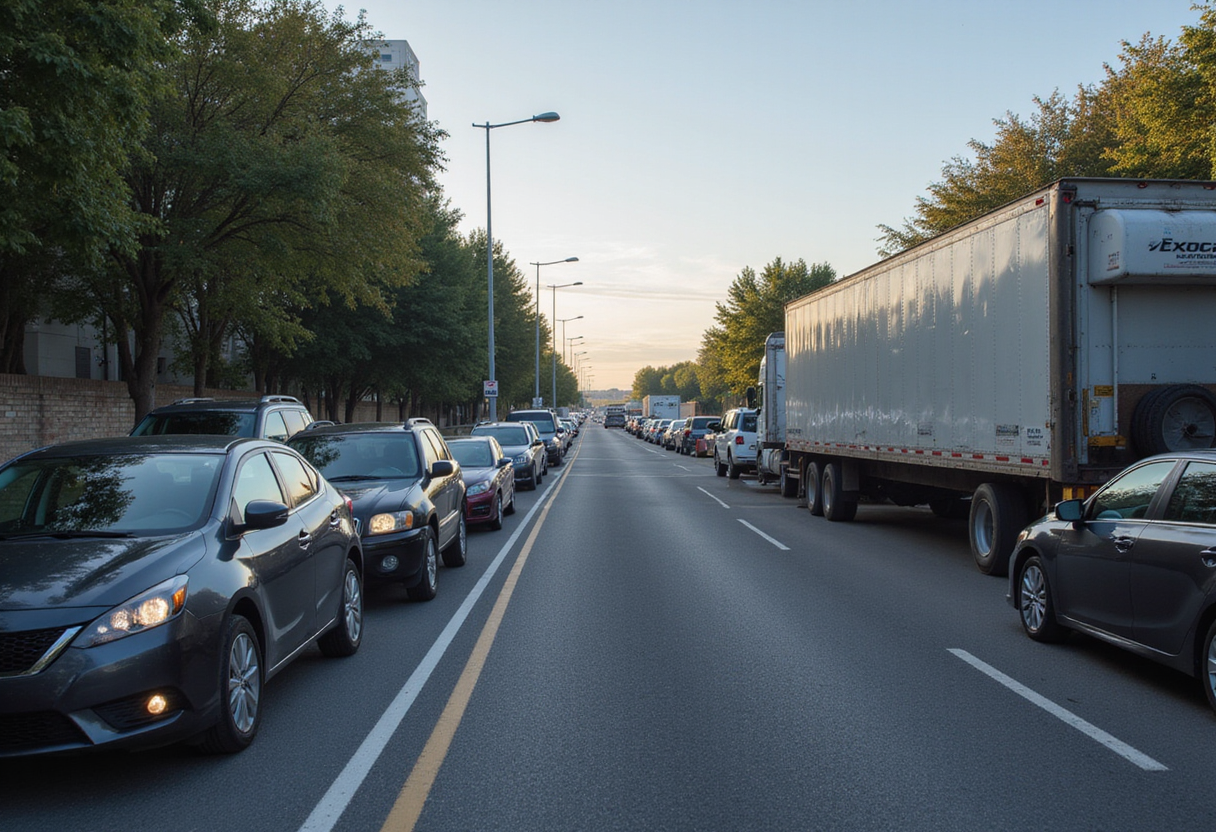
"There are commercial ships that are waiting in the queue to receive the escort," EU foreign policy chief Kaja Kallas said after a meeting of European defence ministers in Brussels on Monday. The mission, she added, "does not have enough frigates available" to meet the current demand from merchant shipping transiting the southern Red Sea and Bab el-Mandeb.
How big is the Suez rebound?
According to Singapore-based consultancy Linerlytica, more than 140 containerships with combined capacity above 2 million TEU have returned to the Suez since May. Last week marked the busiest week for boxship transits through the canal since 2024, with 30 ships of over 4,000 TEU passing through.
The rebound reflects carriers' renewed willingness to absorb Red Sea risk after an extended period of Cape of Good Hope routings. It also exposes the limits of a single naval framework now asked to absorb traffic that has roughly doubled since the spring.
What is choking the escort pipeline?
Aspides, launched in 2024 as a defensive operation against Houthi attacks on merchant shipping, was originally assessed as requiring at least 10 warships. Kallas acknowledged that available assets remain "well below that level."
Contributions have come from a narrow base:
- Core hulls from Italy and Greece
- Periodic supplements from Germany, France, Spain, the Netherlands and Belgium
Two factors have tightened the squeeze. Renewed Houthi activity, including the capture of territory overlooking Bab el-Mandeb — notably Perim Island — has raised the threat profile for any convoy. Naval deployments have not scaled to match.
What is Italy doing?
Rome is no longer waiting on Brussels. Italian authorities are preparing to act independently, arranging protected passages for Italian-linked tonnage through Bab el-Mandeb rather than depending on Aspides scheduling. Around 10 Italian-controlled or flagged vessels are reported to be awaiting protected passage.
The move points to a more fragmented Red Sea security picture, with parallel national escort arrangements surfacing if the Brussels shortfall persists.
What does Brussels actually want?
Kallas said two EU member states have indicated they may provide additional ships. But the bloc is not asking for any hull. It specifically wants:
- Frigates rather than patrol vessels or auxiliary ships
- Air-defence capability suitable for the missile and drone threat profile
The distinction matters for shipowners. Convoy operations without credible air defence offer limited reassurance against the attack vectors that pushed carriers onto the longer route in the first place.
What happens next for shippers and carriers?
With containership demand for the Suez route trending sharply upward and escort capacity structurally short, carriers and forwarders face a near-term binary:
- Wait in the Aspides queue, accepting schedule slippage
- Accept independent national escorts where offered
- Revert portions of capacity to the Cape of Good Hope
Brussels' ability to convert stated intent into deployable frigates over the coming weeks will determine whether the Suez rebound extends through the rest of the year or stalls. For now, the queue at Bab el-Mandeb is the binding constraint on what carriers can promise shippers for Red Sea routings.
Source: Splash247
More from James Calloway
Show full bio
Correspondent covering consumer brands and retail at Waybill Wire.
229 articles
Related05
Suez Containership Transits Jump 59% as Carriers Race Back
Premier Alliance plots 19 October Suez return with 8,100-TEU ONE Continuity
Shipping's New Risk: Disruptions Easing While Earnings Hit Records
Suez transits edge up, but container normality still far off
Suez Transits Resume, But Normality Remains Elusive for Carriers