WW/PORTSTERMI
Port of Oakland to field 300 Tesla electric semis on leased terms
Port of Oakland will lease 300 Tesla electric semis from WattEV, whose new Northern California depot charges 25 trucks concurrently at megawatt rates, cutting dwell times to 30 minutes or less.
- By
- Marcus Bennett
- Filed
- Length
- 607 words
- Read
- 3 min
Key points
- Port of Oakland will deploy 300 Tesla electric semi-trucks, first batch by year-end, remainder in 2027
- WattEV's new depot charges 25 medium- and heavy-duty trucks concurrently with megawatt charging
- Charging dwell times are targeted at 30 minutes or less
- WattEV operates seven other California depot locations including the Port of Long Beach
- WattEV will lease the 300-truck fleet to the Port of Oakland rather than sell it
The Port of Oakland will roll out 300 electric Tesla semi-trucks, with the first batch scheduled to arrive before the end of the year and the remaining vehicles landing in 2027, according to a November 23 port release.
The purchase — or more precisely, a lease — follows the opening of a new public heavy-duty electric truck charging depot billed as the first of its kind in Northern California. Charging infrastructure provider WattEV, the port's partner on the depot, will lease the fleet of 300 Tesla semis to the port moving forward.
What the depot actually delivers
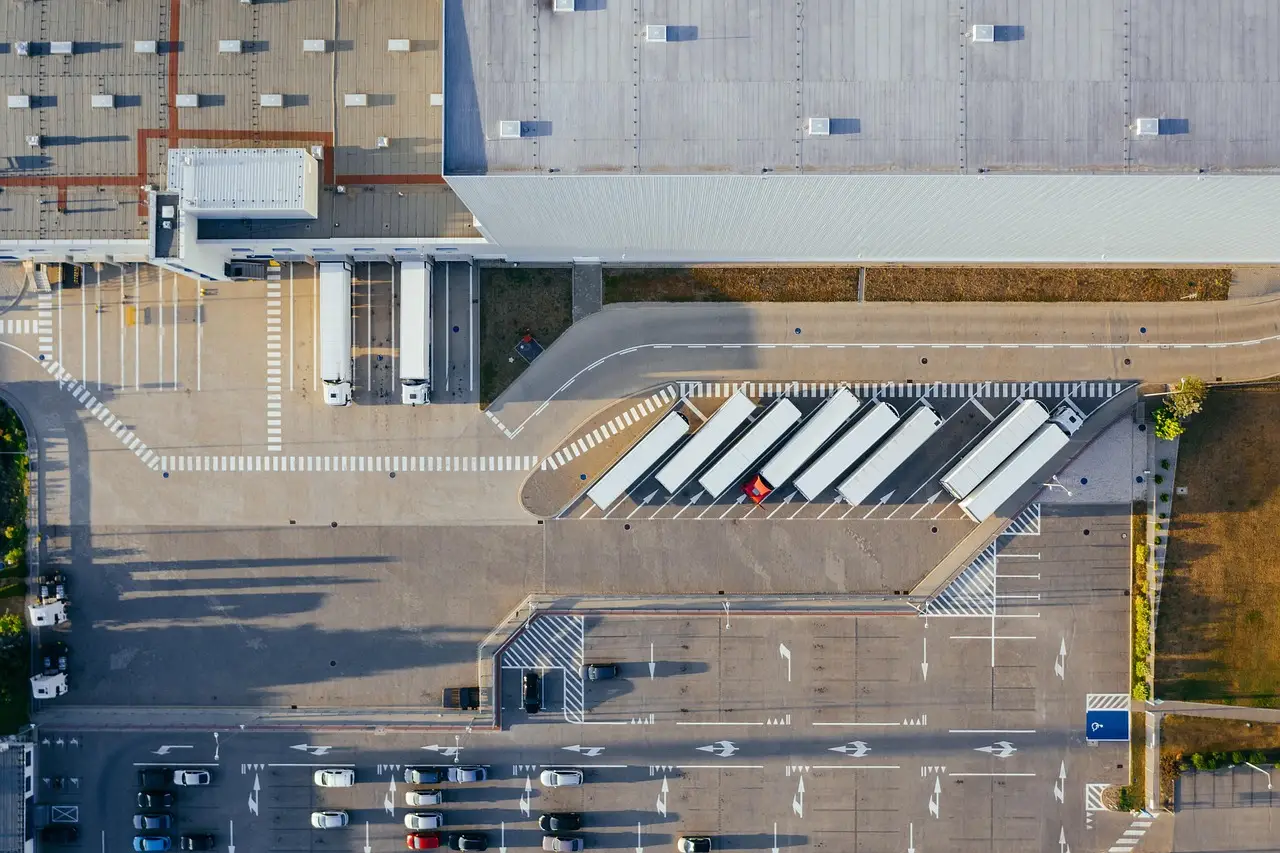
The facility can charge 25 medium- and heavy-duty electric trucks concurrently. It is outfitted with megawatt charging, which the port says will cut charging dwell times to 30 minutes or less.
That dwell-time figure matters for drayage economics. A 30-minute charge window puts electric semis closer to the turnaround rhythms of diesel drayage at the Oakland Seaport than slower-charging alternatives — though the port's release does not state the trucks' expected range, payload impact, or daily duty cycles, and those numbers will determine whether 300 units is an operational fleet or a showcase.
WattEV is not a newcomer to the format. The company operates a network of charging depots at seven other California locations: the Port of Long Beach, Bakersfield, San Bernardino, Gardena, Vernon, Oxnard and Fresno. The Oakland depot extends that corridor coverage into Northern California, and for trucking operators running the I-5 and Highway 99 freight spine, contiguous charging is the precondition for anything resembling long-haul electrification.
Who pays, and who runs it
The structure is a lease, not an outright purchase. WattEV retains ownership of the 300 Tesla semis and leases them to the Port of Oakland — a model that shifts capital exposure for battery-electric tractors onto the infrastructure provider while giving the port a lower-friction entry into fleet electrification.
What the release does not say is equally relevant: no lease terms, no cost per truck, no funding sources, and no breakdown of how the 300 units split between drayage, on-terminal moves, or other port functions. Tesla's Semi program has seen slow volume production since its 2022 pilot deliveries to PepsiCo, so a 300-unit order with deliveries stretching to 2027 reads as a staged commitment rather than an imminent fleet swap.
The commercial read
For carriers and drayage operators serving the Oakland Seaport, the immediate consequence is physical, not contractual: 25 concurrent charging slots is scarce capacity, and the port's own fleet will presumably have first claim on it. Independent electric-truck operators may find depot access constrained until further sites come online.
For shippers, the near-term impact on rates and capacity is negligible — 300 trucks is a rounding error against the thousands of drayage moves the port handles. The longer play is regulatory: California's push to electrify port-adjacent trucking raises compliance costs for diesel operators, and a working charging-plus-lease model at Oakland offers a template others may copy.
"We're seeing real progress in transforming how our industry moves goods to and from the Oakland Seaport," said Port of Oakland executive director Kristi McKenney. "Together with our industry partners, we're delivering projects throughout Oakland that support cleaner freight operations, healthier communities, and a more sustainable future."
McKenney's framing is aspirational. The proof points — trucks in service, charge cycles logged, cost per move published — will arrive with the first batch before year-end, and the fuller test comes in 2027, when the remaining units land and the depot's 30-minute dwell claims meet daily drayage demand.
Source: supplychainbrain.com
More from Marcus Bennett
Show full bio
Senior reporter covering regulation, policy and their impact on Ocean and air freight, container shipping at Waybill Wire.
1,028 articles