WW/TRUCKINGRA
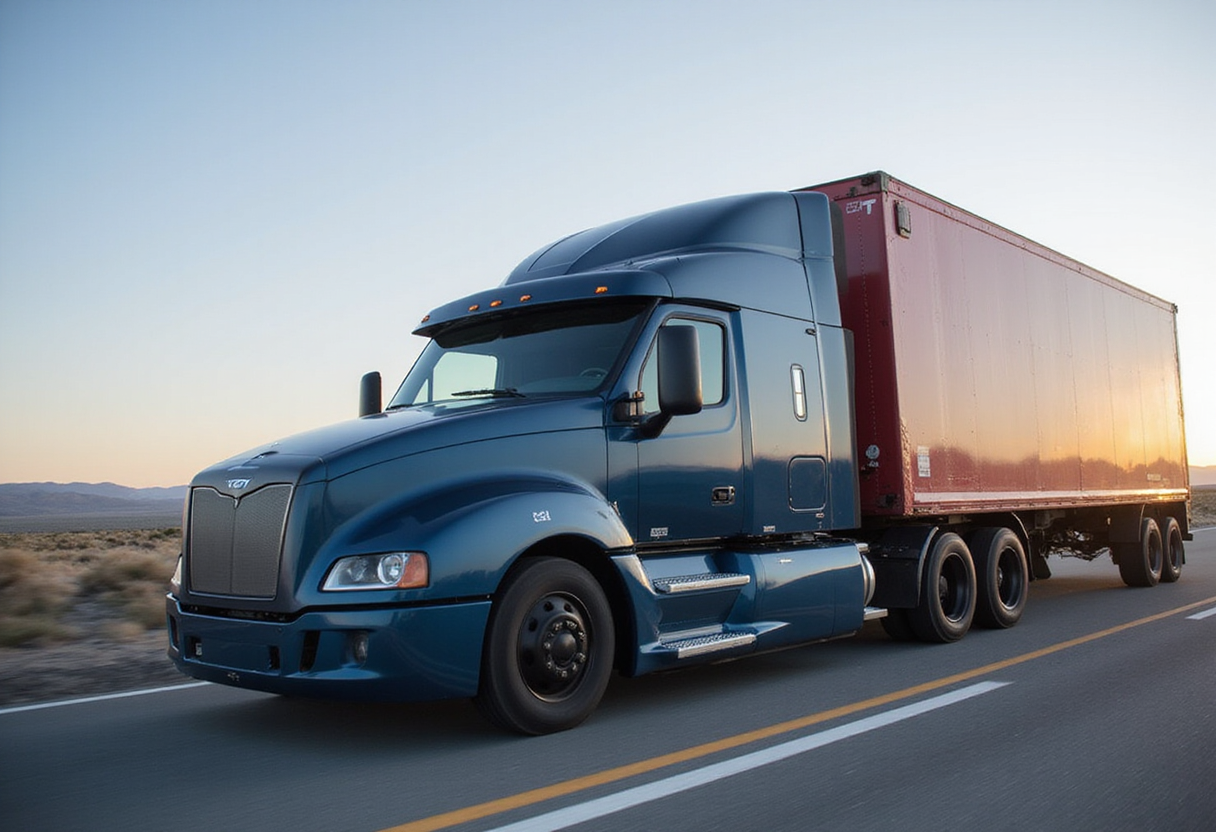
IMC Logistics orders 50 Tesla Semis for California drayage
IMC Logistics will deploy 50 Tesla Semis across California drayage and inland lanes, joining a 50-truck Nikola hydrogen fleet and Volvo battery-electric units. The order lands as Tesla Semi demand from port operators accelerates.
- Desk
- Trucking & Rail
- By
- Elena Vasquez
- Filed
- Length
- 581 words
- Read
- 3 min
Key points05
- IMC Logistics ordered 50 Tesla Semis on Sept. 22 for California drayage and inland lanes; mix of 325-mile Standard and 500-mile Long Range models
- Tesla rates both Semi variants at 82,000 lb GVW; the Sparks, Nev. plant spans 1.7 million sq ft with 50,000-truck annual capacity
- IMC also runs 50 Nikola hydrogen fuel-cell trucks; 40 were operating by late June 2025 after Nikola's February Chapter 11 filing
- Hydrogen fuel costs for IMC climbed from $7.50 to $29 per kilogram between 2024 and 2025
- WattEV (370 trucks) and ZET SCALE (2,500 trucks, LA among first 10 hubs) are other large Tesla Semi drayage-oriented buyers
IMC Logistics will add 50 Tesla Semis to its California drayage and regional haul fleet, the intermodal carrier said Sept. 22, marking one of the largest single commitments to Tesla's electric Class 8 program by a port-adjacent operator.
The order, announced without a disclosed value or delivery schedule, splits between Standard Range trucks (325 miles at gross vehicle weight) for port drayage and Long Range models (500 miles) for lanes between Southern California and inland destinations. Tesla rates both versions at 82,000 pounds fully loaded.
How does this fit IMC's zero-emission strategy?
The Semis will join a fleet that already counts battery-electric, hydrogen fuel-cell and renewable-diesel trucks. In March 2024, IMC purchased 50 Nikola hydrogen fuel-cell tractors with a 500-mile range to extend its zero-emission service area. The carrier also operated Volvo battery-electric units at the time.
"The addition of 50 Tesla Semis strengthens that strategy as well as allows IMC to establish zero-emission service for long haul lanes," Jim Gillis, IMC's Pacific Region president, said in the release.
The Tesla Long Range, at 500 miles on a single charge, matches the operating envelope of IMC's Nikola hydrogen units on paper. That parity matters for the inland runs the carrier services out of the San Pedro Bay complex.
What happened to the Nikola trucks?
Nikola filed for Chapter 11 bankruptcy protection in February 2025. By late June, 40 of IMC's 50 Nikola trucks were running and 10 sat offline, Gillis told Transport Topics. Hydrogen fuel costs had climbed from $7.50 to $29 per kilogram.
"Our commitment was to keep the trucks running. So, we took it on the chin with the increased fuel cost," Gillis said.
The pricing pressure highlights the core commercial question for drayage operators: zero-emission duty cycles work when infrastructure, incentives and total cost of ownership align — and stall when they don't.
Where does this leave Tesla Semi's order book?
IMC joins a growing roster of drayage-tilted Tesla Semi buyers:
- WattEV ordered 370 Semis in May for runs from its charging stations at the Port of Oakland and Fresno. The first 50 are due in 2026, with full deployment by end of 2027.
- Tesla was named primary manufacturer on a 2,500-truck electric order through ZET SCALE in September. The shipper-carrier alliance's founding members include Microsoft and PepsiCo. Los Angeles is among the 10 freight hubs the order targets first.
Tesla produces the trucks at its 1.7 million-square-foot Semi factory in Sparks, Nevada, designed for 50,000 units a year. DHL, PepsiCo and US Foods took early deliveries.
Can electric trucks replace every drayage application?
Not yet, according to Brian Kobza, IMC's chief commercial officer. In a LinkedIn post, he acknowledged that battery trucks "may not fit every Class 8 application today" but added that they "are proving viable in specific use cases where the infrastructure and incentives align."
"The future of trucking is likely a mix of diesel, electric, and hydrogen, each solving different problems," Kobza wrote. "The key is letting operational results, not ideology, drive adoption."
IMC's sustainability roadmap targets replacement of all diesel tractors in California by 2028. The Tesla order, alongside the surviving Nikola fleet and existing Volvo battery-electric trucks, gives the carrier overlapping tools to hit that deadline — or to fall back on diesel if hydrogen economics and battery range do not cooperate.
Original: getfreightdata.com
More from Elena Vasquez
Show full bio
News editor covering industry trends and analytics at Waybill Wire.
220 articles
Related05
Tesla Moves to Electrify Trucking After a Decade of Delays
Diesel Costs Climb as Tesla Begins Semi Deliveries to Freight Fleets
Diesel Rally Lifts Electric Truck Sales, Marketplace Says
RCG adds 70 electric-vehicle wagons to car-carrier fleet
Etsy joins 63-shipper electric Class 8 pilot for Houston-Dallas corridor