WW/MARKETANAL
Peak 2026 Stretched Past September, and the Old Holiday Playbook Broke
Drewry's WCI read $4,434 per FEU on October 1 after an NRF-described early peak that stretched past September — and shippers planning six or 12 weeks out are running out of runway.
- Desk
- Rates & Markets
- By
- Tom Whitfield
- Filed
- Length
- 718 words
- Read
- 4 min
Key points
- Drewry's World Container Index stood at $4,434 per 40-foot container on October 1, 2026.
- The NRF reported by September 2026 that the peak season had extended longer than expected, hit by vessel delays, weather and routing changes.
- The Fed's July 2026 Beige Book cited longer lead times, higher costs and reduced availability for manufacturing supply chains.
- IMS Worldwide CEO Curtis D. Spencer recommends foreign trade zone duty deferral to offset the cost of holding extra inventory.
- Six-to-12-week planning horizons are now insufficient for many organizations, the piece argues.
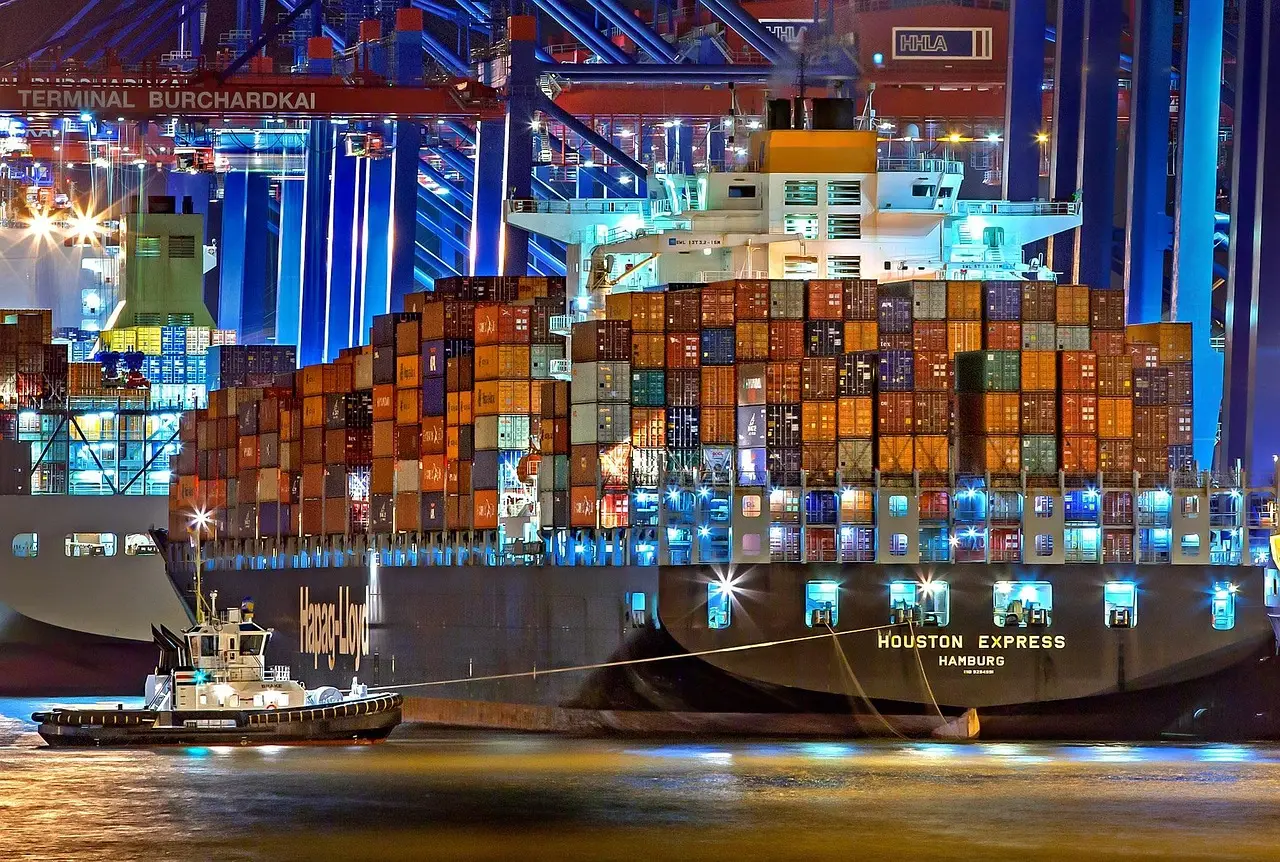
Drewry's World Container Index stood at $4,434 per 40-foot container on October 1 — after a holiday peak that retailers had started early and that, by September, had still not finished.
That is the picture the National Retail Federation painted: 2026 as an early peak season, with retailers pulling merchandise into the U.S. ahead of tariff changes and broader supply chain uncertainty. By September, the NRF reported the peak had extended longer than anyone expected, driven by vessel delays, weather, routing changes and consumer demand that refused to quit.
The commercial consequence is blunt. Companies that planned to a six- or 12-week horizon paid for it — in freight cost, in lead time, in availability. Curtis D. Spencer, chief executive of IMS Worldwide, Inc., argues the lesson is bigger than whether this year's holiday cargo arrived in May, July or September. Companies need to plan to a longer horizon, he writes. Post-COVID taught us that just in time has been replaced by just in case.
Why the old calendar stopped working
Traditional planning organizes decisions around fixed milestones: seasonal demand, purchase orders, production schedules, shipping windows, delivery dates. The problem is that today's biggest supply-chain variables don't follow that calendar.
Tariff policy can change the economics of an import decision. Geopolitical conflict can move fuel prices or reroute ships. Weather delays vessels. Capacity tightens. A sourcing problem several tiers down the chain becomes a production problem thousands of miles away.
The Federal Reserve's July 2026 Beige Book captured the pressure in real time. Manufacturing contacts said managing supply chains had become more difficult, citing longer lead times, higher costs and reduced availability. Transportation costs were rising too — fuel prices and trucking constraints were the named culprits. Add an ocean freight market still sitting at $4,434 per FEU, and cost plus capacity remain live variables for anyone moving goods internationally.
These risks compound. That, Spencer argues, is why planning six or 12 weeks out no longer works for many organizations. One mitigation he names directly: use foreign trade zone benefits, specifically duty deferral, to cut the cost of holding the extra inventory that a just-in-case posture requires.
What does ordering earlier actually cost?
Ordering earlier is one obvious response. Sometimes it is the right call. But it is not free. Companies tie up working capital, expand warehousing requirements and risk holding too much of the wrong product if consumer demand shifts.
The goal, Spencer writes, is not to move everything but to create more decision points earlier. That means asking, months before a shipment turns urgent:
- Where are the critical dependencies in the supply chain?
- Which products have the longest or least predictable lead times?
- Where are alternative suppliers, ports, transportation modes or inventory positions?
- At what point would a change in tariffs, freight rates or capacity force a change of course?
The companies best positioned for disruption are the ones with the most viable options. Optionality takes many forms: qualifying a second supplier, evaluating an alternative port, reserving capacity earlier, positioning inventory closer to customers, or deciding which products justify additional buffer stock.
Why this can't stay in the logistics department
None of that works if supply chain makes the calls alone. Finance needs to understand the cost of carrying additional inventory. Sales needs to provide realistic demand signals. Procurement needs visibility into supplier capacity and lead times. Logistics teams need to understand transportation alternatives before the preferred route becomes constrained.
The planning horizon, in other words, has to extend in two directions: further into the future, and further across the organization.
Is 2026 a one-off?
No. Companies have absorbed multiple disruptions in recent years, and the specific events keep changing while the underlying lesson does not. Supply-chain leaders can't predict every event that will hit them next year. They can decide how prepared they'll be when something changes.
As companies begin planning for 2027, Spencer frames the question that matters. It may not be "When should we ship?" It may be, "How far ahead are we prepared to make a different decision?" That is the planning horizon companies need to extend — and with freight rates, tariffs and trucking capacity still moving, they will likely need it sooner rather than later.
Source: supplychainbrain.com
More from Tom Whitfield
Show full bio
Market editor covering companies, deals and strategy in Ocean and air freight, container shipping at Waybill Wire.
1,004 articles
Related
Drewry container index at $4,434 as 2026 holiday peak stretches
NRF cuts September US import forecast to 2.28M TEUs as peak season fades
U.S. September imports hit 2026 high at 2.37 million TEUs
US retailers signal end to extended peak shipping season
U.S. container imports set fresh September record, Q4 squeeze builds