WW/TRADEPOLIC
OFAC lets Best Oasis negotiate disposal of sanctioned tankers
OFAC has authorized Dubai-based Best Oasis, the second disposal firm after GMS, to negotiate sales or recycling of sanctioned ships linked to Iran’s oil trade.
- Desk
- Trade & Tariffs
- By
- James Calloway
- Filed
- Length
- 687 words
- Read
- 3 min
Key points05
- Reported Nov. 10: OFAC authorized Best Oasis to negotiate disposal of U.S.-blocked ships.
- Best Oasis is the second approved company, after rival GMS.
- June: The U.S. military identified M/T Lexie as Botswana-flagged during a Persian Gulf operation.
- Comoros has recorded 83 falsely flagged vessels; Guinea, Madagascar and Mali also appear in misuse cases.
- Two Gambia-flagged tankers were tied to Iranian crude shipments, including VOYAGE ELITE to China.
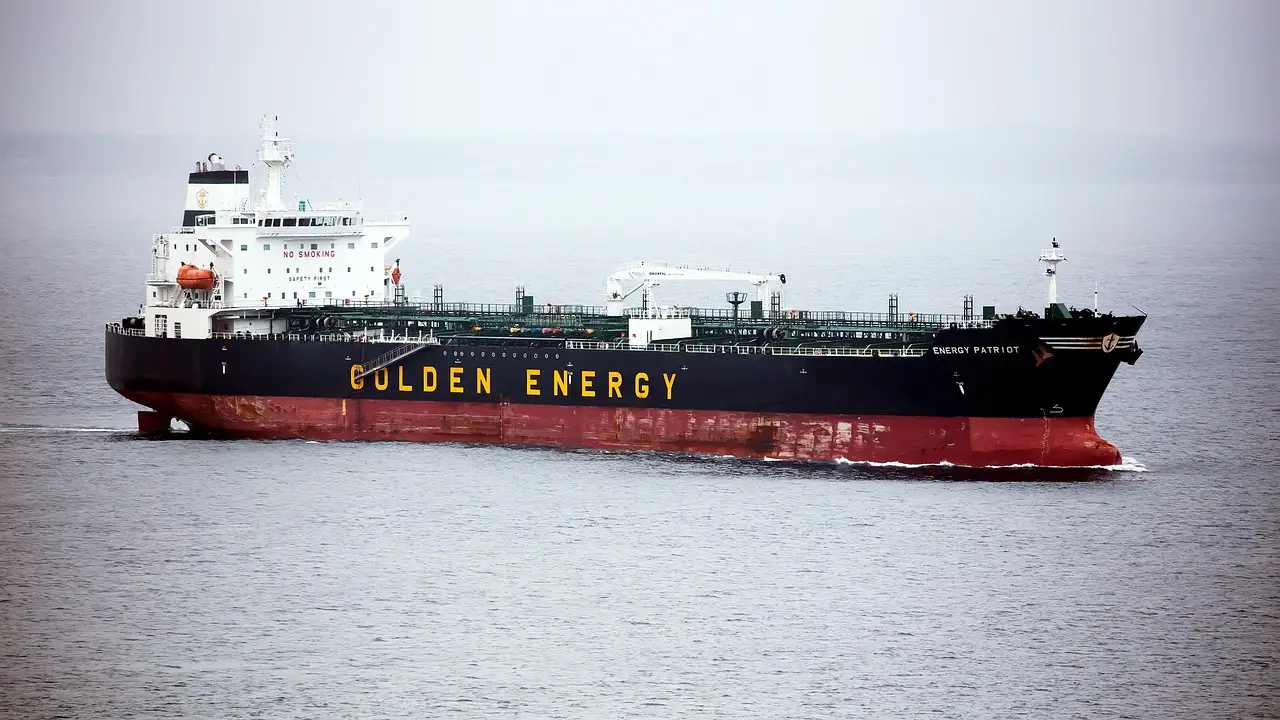
The U.S. Treasury’s Office of Foreign Assets Control (OFAC) has authorized Dubai-based Best Oasis to negotiate the disposal of ships blocked under U.S. sanctions, making the firm the second company after rival GMS to receive approval.
TradeWinds reported the development on November 10. The authorization opens a controlled path to negotiate sales of sanctioned vessels for recycling or dismantling, although OFAC must approve each transaction to ensure sanctioned owners do not benefit from the ships or the proceeds.
What does the authorization change?
Best Oasis can now approach counterparties over vessels caught in OFAC sanctions, but it cannot complete a disposal without further U.S. approval. The permission covers negotiations; it does not authorize the vessels to carry cargo or return to unrestricted commercial service.
For shippers and freight forwarders, the commercial issue is counterparty risk in tanker trades involving suspected Iranian petroleum products or crude. Neither a vessel’s name nor its flag proves lawful registration because African governments say their registries were used fraudulently. Carriers and commodity buyers need to screen vessel identities against sanctions records before committing to an Iran-linked cargo.
The disposal channel also adds an approval layer for every sale, recycling or dismantling transaction. The parties must establish that a proposed deal complies with OFAC controls before proceeds move, rather than treating a listed hull as an ordinary second-hand asset.
Washington’s broader objective is to disrupt Iran’s oil-export network, and the Best Oasis and GMS approvals sit inside that policy. Several vessels implicated in that network carry African flags, turning the registry question into a commercial screening issue rather than a purely legal dispute over paperwork.
Which African-flagged tankers are involved?
U.S. Treasury sanctions records identify two tankers as carrying African flags:
- SIFRA: Botswana-flagged; OFAC records cite alleged transport of Iranian petroleum products.
- G SILVER: Cameroon-flagged; OFAC records cite alleged transport of Iranian petroleum products.
Botswana and Cameroon rejected any association with the vessels and said the flags had been used fraudulently.
The U.S. military separately identified M/T Lexie as Botswana-flagged during a June operation targeting Iranian oil shipments in the Persian Gulf. Botswana denied registering or authorizing the vessel and said: “Botswana does not operate a maritime vessel registry.” A database entry showing a Botswana flag therefore cannot, by itself, satisfy checks on ownership or authorization.
Two additional tankers, VOYAGE ELITE and TELA, were identified with Gambia flags in Iranian oil shipments. U.S. authorities linked VOYAGE ELITE to transportation of Iranian crude to China, while TELA was accused of carrying Iranian crude. The cases identify an Iran-to-China crude lane, but the source disclosed no cargo volume or freight rate.
How widespread is false flag use?
The misuse is not confined to one registry. Comoros has recorded 83 falsely flagged vessels, while Guinea, Madagascar and Mali have also appeared among countries whose registries were allegedly misused.
Madagascar’s maritime authorities warned: “some vessels were operating internationally under its flag without valid authorisation.” The warning leaves shippers, carriers and forwarders with a difficult verification task: a shipping database may show a valid-looking flag even when the named state says it never authorized the vessel.
The Comoros count is not presented as an Iran-fleet total, and the source does not tie every falsely flagged vessel to Iranian oil.
What does controlled disposal require?
Removing a vessel requires more than adding it to a sanctions list. A controlled disposal must prevent sanctioned owners from capturing sale proceeds, and Best Oasis can negotiate but cannot bypass OFAC on any transaction.
The report did not specify how many tankers Best Oasis may negotiate over, their deadweight tonnage, cargo volumes or disposal prices. It also did not identify a port or recycling yard for any named vessel.
With Washington intensifying pressure on Iran’s oil exports, further OFAC approvals and tightly supervised disposals are likely to remain central to taking shadow-fleet vessels out of service. The policy direction is that sanctioned ships leave through controlled sales, not unrestricted market transactions that could pay their banned owners.
Source: africa.businessinsider.com
More from James Calloway
Show full bio
Correspondent covering companies, deals and strategy in Ocean and air freight, container shipping at Waybill Wire.
921 articles
Related05
Best Oasis lands OFAC licence to buy sanctioned ships for scrap
Adani’s $275m OFAC settlement exposes shipping’s sanctions blind spot
My Freighter cleared to fly UK routes — but the details are thin
Canada reinstates sanctions on National Iranian Tanker Company
US Plans to Reclassify Shadow Tankers, But Analysts See Few Takers