WW/PORTSTERMI
Kokuryu Maru completes first methanol bunkering at Kinoe Port
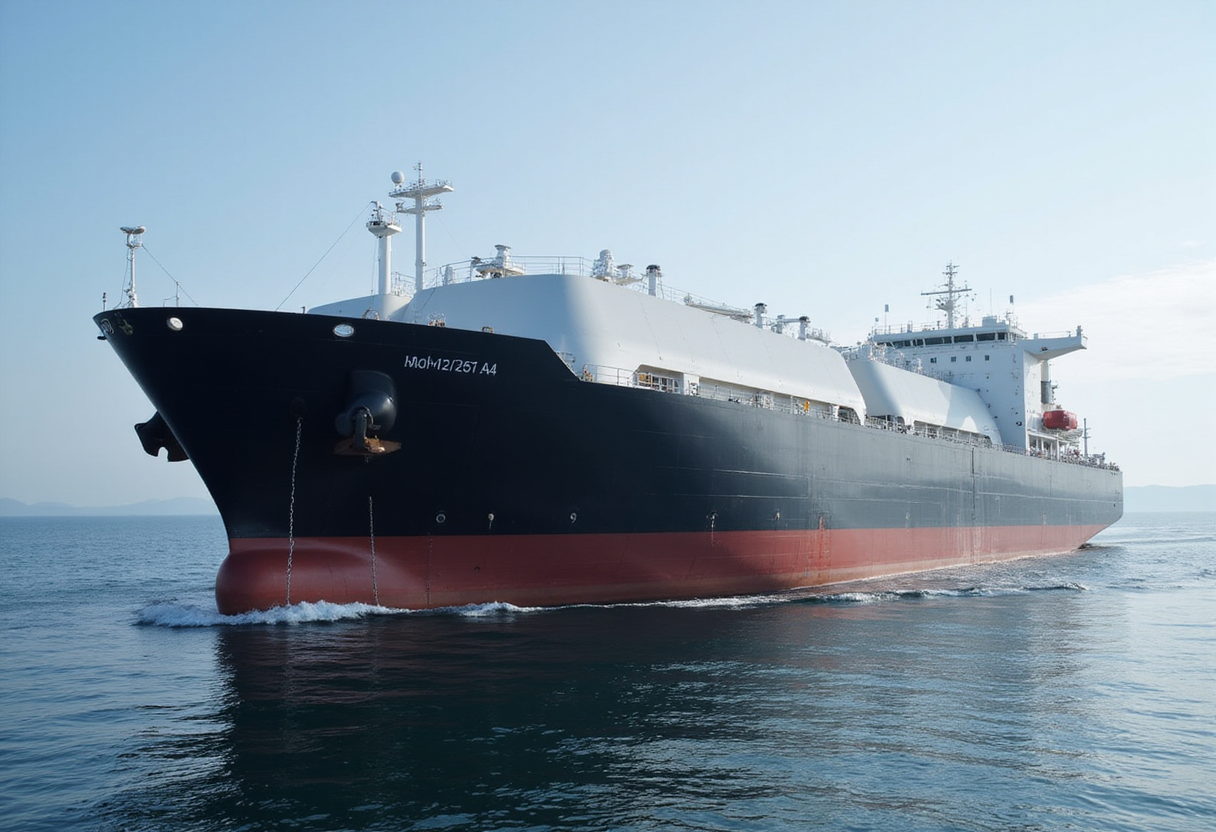
Kokuka Sangyo's 1,200-dwt chemical tanker Kokuryu Maru completed its first methanol bunkering at Kinoe Port, Hiroshima on 24 September, chartered to Mitsubishi Gas Chemical to supply methanol across Japan using bio-methanol as fuel.
- By
- Amara Osei
- Filed
- Length
- 625 words
- Read
- 3 min
Key points05
- Kokuryu Maru completed first methanol bunkering at Kinoe Port, Hiroshima on 24 September
- Vessel is a 1,200-dwt methanol-capable chemical tanker owned by Kokuka Sangyo
- Chartered by Mitsubishi Gas Chemical, which produced the bio-methanol at its Niigata plant
- Will transport and supply methanol across Japan using mass-balanced bio-methanol as fuel
- Doubles as a chemical tanker and a dedicated domestic methanol bunker vessel
Kokuka Sangyo completed the inaugural bunkering of its 1,200-dwt methanol-capable chemical tanker Kokuryu Maru at Kinoe Port in Hiroshima Prefecture on 24 September, marking the vessel's formal entry into dual-role service as both a chemical tanker and a domestic methanol bunker vessel.
The Kokuryu Maru took on mass-balanced bio-methanol during the operation. The fuel originated at Mitsubishi Gas Chemical's Niigata plant and was physically supplied by the chemical producer under a charter arrangement. Kokuka Sangyo, a Japanese shipping firm, retains ownership of the vessel.
What is the vessel's commercial role?
The 1,200-dwt tanker will operate under a charter to Mitsubishi Gas Chemical, transporting and supplying methanol across Japanese ports while burning bio-methanol as its marine fuel. Mitsubishi Gas Chemical said the vessel will use the bio-methanol as fuel during operations.
That dual-purpose design — moving methanol cargo while simultaneously functioning as a bunker source — gives the producer direct control over fuel logistics without depending on third-party barge infrastructure. The charter links the tanker to a single offtaker, which simplifies scheduling but concentrates revenue on Mitsubishi Gas Chemical's domestic methanol distribution volumes.
Why does methanol bunker capacity matter in Japan?
Japan's bunkering market has lagged European peers in alternative-fuel availability, restricting operators' ability to refuel methanol-powered ships on Japanese trade lanes. A dedicated domestic bunker tanker expands the optionality for carriers evaluating methanol dual-fuel newbuilds destined for Pacific trades, where Singapore currently dominates alternative-fuel supply.
Kinoe Port, on the Seto Inland Sea coast of Hiroshima Prefecture, sits inside a heavy-industrial cluster that includes shipyards, steel works and chemical plants — geography that fits a methanol distribution model anchored by short-sea coastal runs rather than long international voyages.
What are the operator and producer stakes?
For Mitsubishi Gas Chemical, the charter secures captive demand for methanol output from the Niigata plant while demonstrating a closed-loop model: the producer both supplies the marine fuel and consumes it through its own shipping operations. The use of mass-balanced bio-methanol also gives the producer documentation needed to claim renewable content under procurement frameworks that reward lower-carbon bunker fuels.
For Kokuka Sangyo, the order establishes a template for methanol-capable coastal tankers that other Japanese tonnage providers may replicate as methanol demand from shipowners grows. The shipowner has not disclosed additional methanol-capable newbuild orders in the available material.
- Vessel: Kokuryu Maru, 1,200 dwt chemical tanker, methanol-capable
- Owner: Kokuka Sangyo
- Charterer and bunker fuel supplier: Mitsubishi Gas Chemical
- Fuel loaded: mass-balanced bio-methanol
- Origin: Mitsubishi Gas Chemical Niigata plant
- First bunkering: 24 September at Kinoe Port, Hiroshima Prefecture
What does the rollout mean for shippers and carriers?
For shipowners, a functioning domestic methanol bunker network reduces one of the operational frictions that has kept methanol uptake concentrated in Singapore and Rotterdam. For Japanese chemical producers shipping methanol to domestic industrial users, the Kokuryu Maru offers a captive coastal carrier integrated into the same company's fuel supply chain — a structure that compresses both cost and carbon accounting.
Forwarders handling methanol cargoes into Japan gain another potential deep-sea-to-coastal hand-off point at Kinoe Port, though the vessel's primary commercial role remains domestic distribution and bunker supply rather than international trade.
What comes next?
Kokuka Sangyo has not publicly disclosed plans for additional methanol-capable tankers, but the Kokuryu Maru deployment sets a benchmark for Japanese owners weighing methanol-compatible newbuilds. Mitsubishi Gas Chemical has committed to running the vessel on bio-methanol across its domestic operations, signalling sustained demand for alternative-fuel bunker supply along the Seto Inland Sea and into adjacent Japanese ports as methanol-fueled tonnage enters regional trades.
Original: engine.online
More from Amara Osei
Show full bio
Staff writer covering marketplaces and e-commerce at Waybill Wire.
306 articles
Related05
Hydrogen-only tanker Kiko Maru completes world-first voyage in Osaka Bay
Maersk Completes First US Ship-to-Ship Ethanol Bunkering of Deep-Sea Boxship
Maersk Completes First U.S. Ethanol Bunkering of Deep-Sea Boxship
Maersk Completes First U.S. Ethanol Bunkering of Deep-Sea Boxship
IMO Forum Flags Spill-Response Gaps as Alternative Bunkers Scale Up