WW/PORTSTERMI
Japan’s 18m GT shipbuilding target meets a 40% container orderbook
Japan targets 18 million gross tons of shipbuilding capacity by 2035 as a container orderbook above 40% of the fleet meets congestion, scarce land and unreliable schedules.
- By
- Tom Whitfield
- Filed
- Length
- 754 words
- Read
- 4 min
Key points05
- Japan aims to double shipbuilding capacity to 18 million gross tons by 2035.
- The container-ship orderbook exceeds 40% of the existing fleet.
- Most vessels in that orderbook have capacity above 18,000 TEU.
- Terminal operators increasingly handle 400-meter-long ships.
- The industry is rumored to be considering 28,000-TEU vessels.
By Tom Whitfield
Japan plans to double national shipbuilding capacity to 18 million gross tons by 2035 through a mix of private and public investment, even as the container-ship orderbook stands above 40% of the existing fleet.
The target brings together two of the maritime sector’s strongest signals: virtually every vessel type is in demand, and freight earnings have exceeded any forecast. It also exposes a central contradiction. Shipyards are expanding, but ports face congestion, unreliable schedules and a shortage of room for the larger vessels already calling.
Why are vessel schedules breaking down?
Typhoons, hurricanes, waterway closures, terrorist attacks on ships, port congestion and insufficient water depths in rivers and canals are hitting the system alongside the need to build new networks. These are not isolated nuisances. They occur in a sector trying to handle ever-larger vessel calls.
That combination has made schedules unreliable. Ports cannot easily plan timely arrivals, and the resulting bunching of calls creates congestion and delays in both Asia and Europe. A disruption at sea or on a river becomes a port problem because the next vessel arrives before the terminal, cargo-handling resources and landside space can clear the previous one.
Against that operating stress, the risk of subsequent economic downturns is increasing. There is no shortage of news about the difficulty of moving cargo by sea. Yet the finances of ports, ship owners, supply chain managers and carriers show a different picture: strong vessel demand and freight earnings running beyond any forecast.
What changes for shippers, carriers and forwarders?
For shippers, the immediate commercial problem is timing. They cannot treat vessel-arrival windows as dependable, which makes inventory, delivery and warehouse planning harder. Carriers and forwarders face the same uncertainty when they commit to sailing programs and customer schedules, while ports must keep working through arrivals that do not match their plans.
Schedule reliability is a capacity issue, not just a weather issue. Cargo needs a berth, cargo-handling resources, storage space and an onward route at the same time. If one element is late, congestion passes the delay through the chain rather than absorbing it.
Newbuilding orders are racing ahead, and shipyards are expanding capacity against a backdrop of strong demand and industry euphoria. Japan’s goal gives that build-out a national scale, with private and public investment sharing the work.
The warning comes from the container sector, where the orderbook exceeds 40% of the existing fleet and consists predominantly of vessels above 18,000 TEU capacity. In theory, that pipeline could produce severe overcapacity, particularly because the demolition market remains weak and use of the Suez Canal is increasing.
Cargo demand is not keeping pace with the capacity being projected. That mismatch does not mean weak demand has already arrived. Virtually every category of vessel remains in demand, and freight earnings have exceeded any forecast.
Today’s returns and tomorrow’s supply point in opposite directions. More vessels can add schedule options and capacity, but if cargo growth fails to absorb them, utilization and freight earnings will face pressure. Carriers can enjoy strong demand now while preparing for a much larger fleet; forwarders must plan for capacity that may be abundant but arrive unpredictably.
Can terminals keep pace with bigger ships?
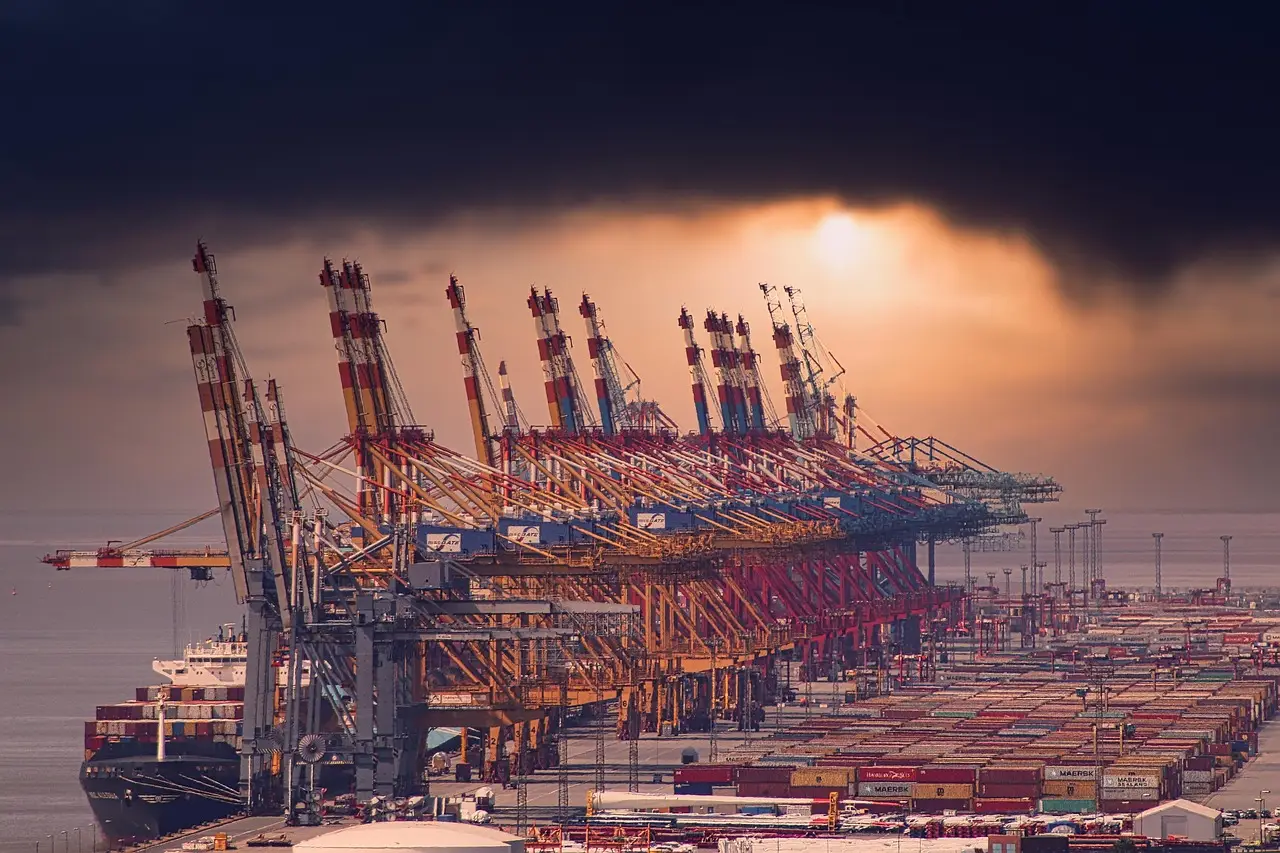
Ports face continuous demand for quay space to load and discharge a growing number of vessels. Larger ships also raise the need for landside capacity, higher cargo-handling productivity, storage and warehousing. The bottleneck extends beyond the berth and into the terminal yard, warehouses and connecting transport network.
Land scarcity is making that problem harder to solve. It creates roadblocks to terminal expansion, and expansion costs are rising. Container terminal operators increasingly work with 400-meter-long ships, and forecasts expect vessels to grow still longer. The industry is also rumored to be considering 28,000-TEU vessels; that concept remains speculative, but the direction of vessel size is clear.
The extra storage and warehousing burden adds to the problems facing supply-chain companies, which are increasingly turning to AI. AI is part of the response, but the capacity requirement remains physical: more quay space, faster cargo handling, more storage and more warehousing.
The test is not whether ports can build enough berths. It is whether they can secure land, raise handling productivity and add storage fast enough to match a fleet expanding toward larger ships. If they cannot, congestion and schedule unreliability will persist across Asia and Europe even while the orderbook points to a much larger maritime industry.
Source: portstrategy.com
More from Tom Whitfield
Show full bio
Market editor covering companies, deals and strategy in Ocean and air freight, container shipping at Waybill Wire.
923 articles
Related05
Global Port Congestion Passes Pandemic-Era Peak in "Perfect Storm"
Port Congestion Overtakes Route Disruption as Shipping's Reliability Threat
Freight Prices Ease, But Port Congestion and Black Sea Risks Linger
Port Congestion Absorbs 12% of Global Container Capacity
Port congestion is now structural, Maersk CEO warns