WW/MARKETANAL
FedEx Closes $8.5bn InPost Buyout as LA Port Strike Threat Lifts
FedEx closes its $8.5bn InPost buyout with 70,000+ lockers, LA port strike threat eases, Bangladesh garment factories stay shut and U.S. last-mile costs run 10.5% hot.
- Desk
- Rates & Markets
- By
- Amara Osei
- Filed
- Length
- 620 words
- Read
- 3 min
Key points
- FedEx and three partners completed an $8.5bn acquisition of InPost, adding 70,000+ lockers and nearly 30,000 pickup points.
- A tentative ILWU Local 26 deal covering about 250 watchmen removes the strike threat at six LA/Long Beach terminals.
- U.S. intermodal volumes hit 299,659 units for the week ending Nov. 14, up 10.7% year over year.
- Geodis' index shows Q3 U.S. final-mile costs up 10.5% annually versus 3.5% consumer inflation.
- Cal-Maine culled 1.76 million birds, 2.7% of its flock, after avian influenza at a Florida facility.
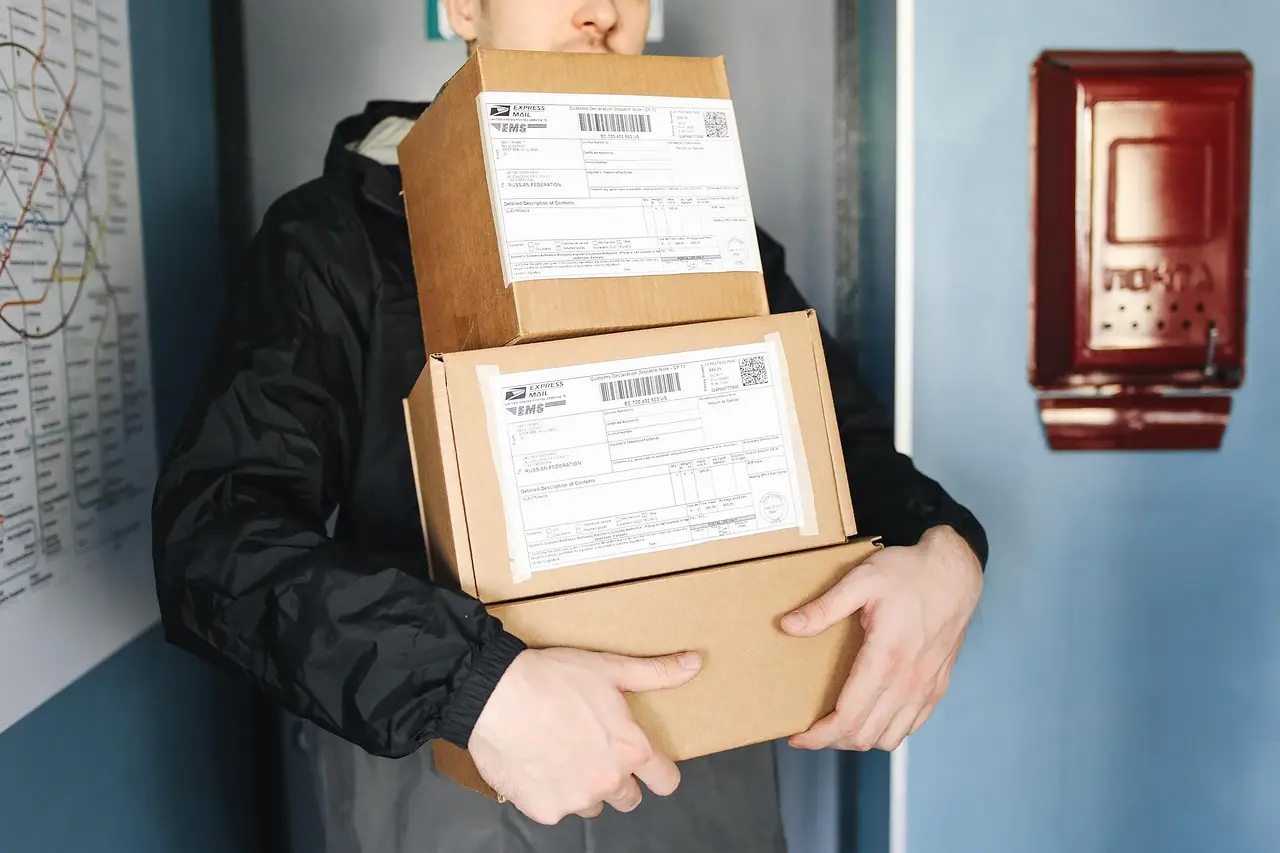
FedEx and three investment partners completed an $8.5 billion acquisition of European parcel operator InPost on Monday, taking the company private and adding a network of more than 70,000 lockers and nearly 30,000 pickup and drop-off points. The deal, first in Monday's news queue, hands FedEx out-of-home delivery density it could never have built organically at that price.
The closing lands in a last-mile market that just got measurably more expensive. Geodis' inaugural index put third-quarter U.S. final-mile costs 10.5% above a year earlier — three times the 3.5% consumer inflation rate. Parcel and local freight measures both sit at elevated levels. So FedEx bought volume into the one delivery segment where costs are outrunning everything else. Bold, or expensive. Possibly both.
What changed at the Ports of LA and Long Beach?
Port employers and ILWU Local 26 reached a tentative agreement covering about 250 security watchmen, extending the existing contract while members consider ratification. The deal removes the immediate strike threat at six terminals at Los Angeles and Long Beach. Shippers routing Asia-Pacific cargo through the San Pedro Bay complex can stand down, at least until the ratification vote.
How bad is the Bangladesh garment disruption?
Dozens of garment factories stayed closed Monday as workers demanded more than double the current minimum wage. Manufacturers have offered roughly a 15% increase — a wide gap by any negotiation standard, and it arrives amid rising costs and weak global demand. Apparel buyers with Bangladesh sourcing should expect export delays and pressure on landed cost assumptions.
Are rails and AI chips still the bright spots?
U.S. railroads moved 299,659 intermodal units in the week ending Nov. 14, up 10.7% year over year, with carloads up 3.3%. Year-to-date volumes rose across both categories. Intermodal keeps doing the heavy lifting.
On the semiconductors side, Nvidia secured additional long-term commitments from Kinsus, Samsung Electro-Mechanics and SPIL to expand package-substrate and advanced-packaging capacity. AI computing demand still exceeds available supply, and the substrate bottleneck is now a named constraint — with named suppliers allocating capacity to fix it.
What does the Mexico trucking deal cover?
Mexican industry groups and federal authorities advanced 29 agreements addressing cargo theft, highway security, towing abuses and infrastructure. The commitments follow October protests that disrupted freight corridors across 19 Mexican states. For cross-border shippers, the question is enforcement; 29 signatures are easy, 19 quiet states are the metric.
Bird flu, again
Cal-Maine paused production at a Florida facility after confirming avian influenza and culled 1.76 million birds — 2.7% of its flock. The egg industry is managing renewed disease risk alongside excess supply and falling prices, a combination nobody in perishables envies.
Who decides when AI gets to decide?
Two pieces on procurement AI landed together. A proposed decision matrix scores procurement actions by value, operational criticality, reversibility and policy sensitivity, with the highest exposure score determining when an AI agent must escalate to a human.
The framework has an audience. A Körber survey found 92% of supply-chain and distribution leaders report AI involvement in decisions, yet 73% of all executives surveyed remain uncomfortable letting technology make the final call. Nine in ten use it; nearly three in four don't trust it to sign off. That gap is the entire governance market.
What does this change for procurement teams? A workable rubric for throttling agent authority before an autonomous purchase order makes the news for the wrong reasons.
Watch the Bangladesh wage talks and the InPost integration plan — both set the tone for apparel sourcing costs and European out-of-home pricing into next quarter.
Source: scmr.com
More from Amara Osei
Show full bio
Staff writer covering regulation, policy and their impact on Ocean and air freight, container shipping at Waybill Wire.
1,007 articles
Related
Asia-US rates hold $5,500 above pre-peak as carriers chase $3,000 hikes
LA and Long Beach Imports Top 1 Million TEUs Again in October
Over 110 Trade Groups Push for Deal as LA-Long Beach Strike Deadline Hits
LA-Long Beach strike deadline looms as robot orders jump 25%
LA-Long Beach Watchmen Strike Pushed to Friday Midnight in Second Extension