WW/AIRCARGO
Ethiopian Airlines Secures Argentina Cargo Cabotage Rights
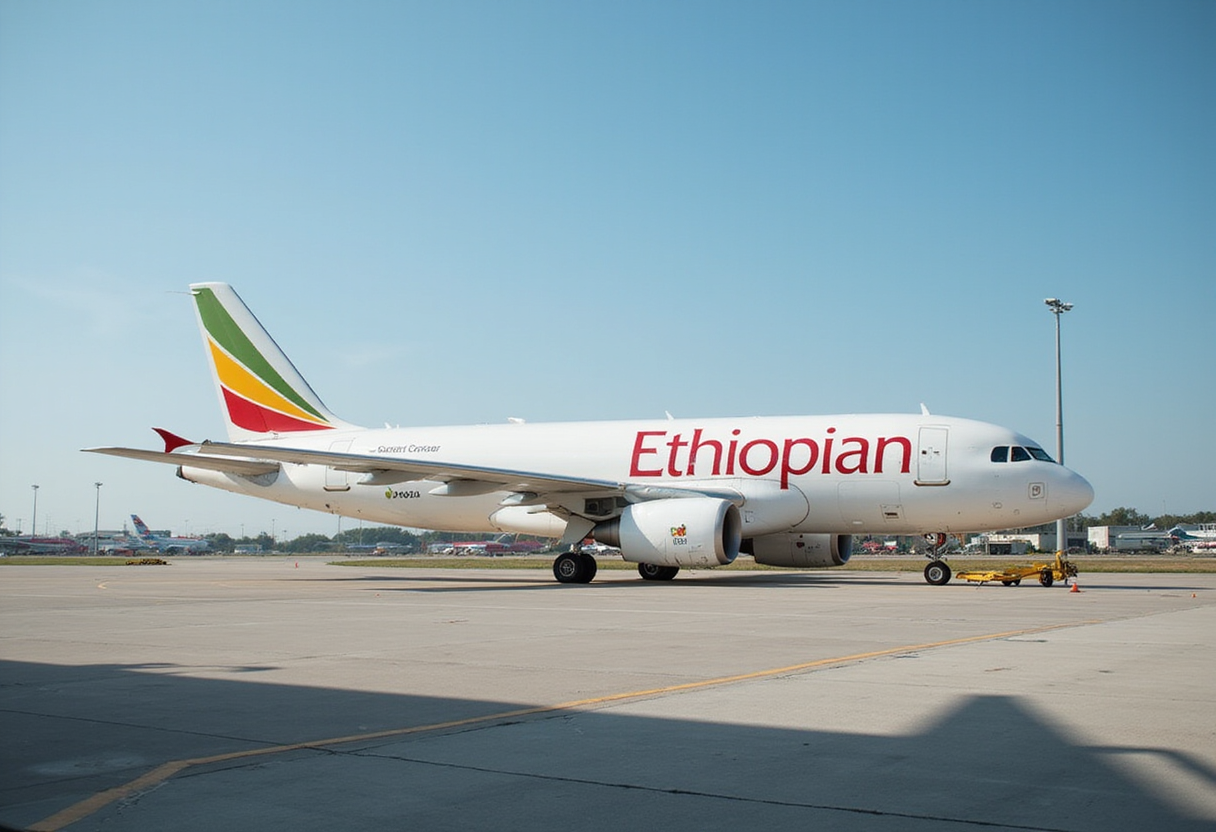
Ethiopian Airlines has secured cargo rights in Argentina extending to ninth-freedom cabotage, allowing the carrier to move freight on domestic Argentine lanes.
- Desk
- Air Cargo
- By
- James Calloway
- Filed
- Length
- 408 words
- Read
- 2 min
Key points04
- Ethiopian Airlines has been granted cargo rights in Argentina extending to ninth-freedom cabotage
- The rights allow the foreign carrier to carry freight on domestic Argentine routes
- Ninth-freedom cabotage is among the most liberal traffic rights a state can grant a foreign airline
- The award positions Ethiopian to compete on intra-Argentine freight, including agricultural exports
Ethiopian Airlines has won cargo operating rights in Argentina that extend up to ninth-freedom cabotage — the privilege to carry domestic Argentine cargo between points inside the country without any connection to its home network, one of the most liberal traffic-right grants a foreign carrier can obtain.
The award, reported by The Reporter Magazine, hands the African carrier authority to move freight wholly within Argentine territory, a segment foreign airlines are almost never allowed to serve. Ninth-freedom rights sit at the outer edge of the aviation freedoms framework: full cabotage, reserved in most markets for domestically licensed operators.
For Ethiopian, the grant deepens a cargo strategy that has already made it the largest air freight operator on the Africa–South America axis. Argentina-bound capacity on that lane is thin, and belly-hold plus freighter tonnage from Addis Ababa has grown steadily as the carrier expanded its Latin American footprint.
What does ninth-freedom cabotage change?
Most bilateral aviation agreements stop at seventh-freedom rights — stand-alone international services with no home-country link. Cabotage, the eighth and ninth freedoms, lets a foreign airline fly domestic routes. Argentina conceding this for cargo means Ethiopian can now compete for intra-Argentine freight flows, including the agricultural exports — beef, grains, perishables — that dominate the country's internal air-trucking and air-cargo substitution market.
For Argentine shippers and forwarders, the practical effect is a new entrant on domestic lanes where capacity has been limited to local operators. For Argentina's own carriers, it introduces competition on freight they previously handled without foreign rivals.
Why the freight angle matters
Cargo liberalization of this kind is rare. States guard cabotage as a pillar of national aviation policy, and granting it even in freight-only form signals a deliberate opening by Argentine authorities. Ethiopian's persistent pursuit of fifth-freedom cargo hubs across South America has been a feature of its expansion for years, and domestic rights inside a major agricultural exporter multiply the value of every freighter rotation it can stage through the region.
The move also fits a broader pattern: African and Gulf cargo operators have been buying traffic rights across Latin America as European and US carriers consolidate around their home hubs.
What comes next
The grant's commercial impact will depend on how quickly Ethiopian converts rights into scheduled freighter capacity, and whether Buenos Aires extends similar terms to other foreign cargo operators seeking Argentine domestic access.
Source: Google News: air cargo
More from James Calloway
Show full bio
Correspondent covering consumer brands and retail at Waybill Wire.
316 articles
Related05
Ethiopian Airlines Orders Ten Boeing Freighters in Cargo Push
Ethiopian Airlines Books Ten Boeing 777 Freighters in Cargo Push
Ethiopian Airlines Orders 10 Boeing 777 Freighters in African First
Ethiopian Airlines Orders Eight 777-8 Freighters, Two 777Fs
Ethiopian Airlines signs Boeing 777-8F and 777F freighter deal