WW/AIRCARGO
Ethiopian Airlines Orders 10 Boeing 777 Freighters in Widebody Cargo Push
Ethiopian Airlines orders eight 777-8 freighters and two current 777Fs from Boeing, becoming the first African carrier to buy the next-generation type as widebody cargo demand climbs.
- Desk
- Air Cargo
- By
- Amara Osei
- Filed
- Length
- 589 words
- Read
- 3 min
Key points03
- Ethiopian Airlines ordered eight 777-8 freighters and two current-model 777Fs, the first African order for the 777-8F
- Boeing's 777-8F order book now stands at 89 firm orders versus 115 for the Airbus A350F
- The 777-8F offers 118 metric tons of payload versus 111 tons for the A350F, with 30% better fuel efficiency than a 747-400-comparable operation
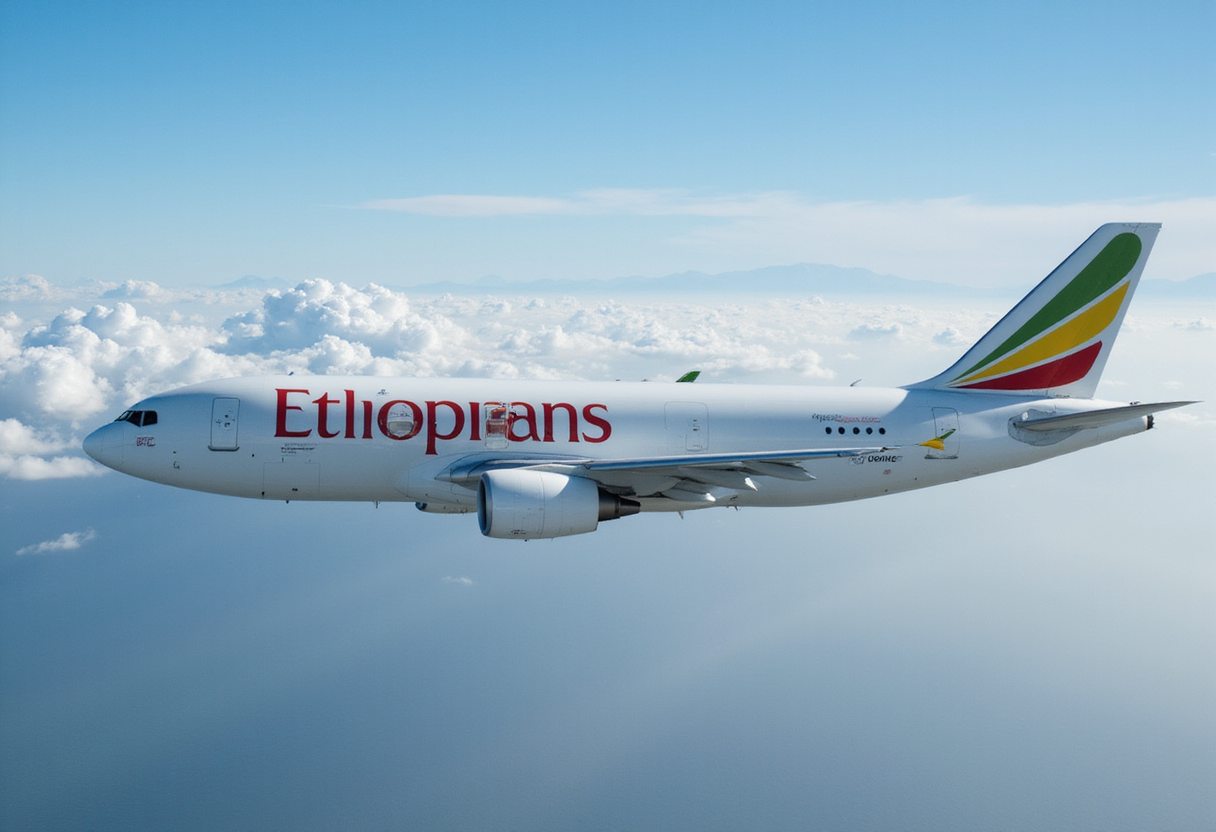
Ethiopian Airlines has ordered 10 Boeing 777 freighters — eight next-generation 777-8Fs plus two current-model 777 freighters — narrowing Boeing's sales gap with Airbus in the contest for large widebody freighter orders.
Boeing (NYSE: BA) announced the deal Wednesday afternoon, one day after Airbus completed the maiden test flight of its competing A350 freighter. The timing underscores how aggressively both manufacturers are chasing cargo capacity demand as passenger widebody production bottlenecks and fleet retirements squeeze belly capacity.
Ethiopian becomes the first African carrier to order the 777-8 freighter. The Addis Ababa-based operator said it will deploy the aircraft for growth and network expansion. Its cargo operation currently connects more than 70 markets with 18 Boeing freighters: 12 777s, two 767 medium widebodies and four 737-800 converted narrowbodies.
The numbers behind the order
The 777-8F offers a maximum payload of 118 metric tons against 111 tons for the A350F, according to Boeing's specification sheet. Boeing claims the aircraft carries nearly as much cargo as a 747-400 while delivering 30% better fuel efficiency, 25% lower operating costs per ton and up to a 60% smaller noise footprint on the ground.
Staying within the 777 family also gives Ethiopian operational advantages: commonality in pilot training, maintenance procedures and cargo handling across its existing fleet of a dozen 777 freighters. Ethiopian previously ordered eight 777-9 passenger jets, deepening its commitment to the type.
Delivery risk remains
No delivery timetable accompanied the announcement. That omission matters. Boeing is targeting commercial release of the 777-8 in 2028, but the program runs years behind schedule, and ongoing certification delays could push production into 2029 or beyond.
For Ethiopian's capacity planning, that means the near-term boost comes from the two current-model 777 freighters, while the eight 777-8Fs anchor fleet renewal well into the next decade. For forwarders and shippers serving African trade lanes, incremental widebody freighter capacity from the continent's largest cargo operator will arrive gradually rather than in a single wave.
The order race
With Ethiopian's commitment, Boeing now holds firm orders for 89 777-8 freighters, compared with Airbus's 115 orders for the A350F. Airbus still leads the next-generation large freighter segment, but the gap has narrowed — and Boeing can claim momentum from a carrier that operates one of the world's most extensive cargo networks.
The demand backdrop explains why both airframers are pressing hard. Supply chain disruptions and engine problems continue to stunt production of large passenger aircraft, which carry significant freight in their bellies. Simultaneously, carriers are retiring aging, fuel-guzzling cargo jets while air trade keeps growing. The result: a structural shortfall in widebody capacity that dedicated freighters must fill.
Digital distribution
The fleet order also fits Ethiopian's broader commercial buildout. Earlier this month, Ethiopian Cargo said it would begin marketing capacity to freight forwarders on CargoAi's multi-carrier booking platform, giving forwarders another digital avenue to access its capacity as the fleet grows.
For shippers moving freight through Addis Ababa's hub — particularly perishables, pharmaceuticals and e-commerce flows between Asia, Africa, Europe and the Americas — the combination of fleet expansion and digital distribution signals Ethiopian's intent to defend and extend its position as the dominant African air cargo carrier.
The immediate commercial question is sequencing: when the two current-model 777Fs arrive and how Boeing manages 777-8 certification will determine how quickly Ethiopian converts its order book into sellable capacity on an increasingly tight widebody freighter market.
Original: live.freightwaves.com
More from Amara Osei
Show full bio
Staff writer covering marketplaces and e-commerce at Waybill Wire.
139 articles
Related05
Ethiopian Airlines Orders Eight 777-8 Freighters, Two 777Fs
Ethiopian Airlines Orders 10 Boeing 777 Freighters in African First
Ethiopian Airlines Orders Ten Boeing Freighters in Cargo Push
Ethiopian Airlines Books Ten Boeing 777 Freighters in Cargo Push
Flydubai Cargo takes first freighters as belly capacity runs short