WW/OCEANFREIG
Empty Tanker Capacity to Gulf Drops 40%, Threatening Oil Flows
Empty tanker capacity heading to the Middle East has fallen about 40% since late August, risking a squeeze on crude exports even as Gulf of Oman transfers run high.
- Desk
- Ocean Freight
- By
- Amara Osei
- Filed
- Length
- 535 words
- Read
- 3 min
Key points05
- Empty tanker capacity sailing to collect Middle East crude down ~40% since end of August (Tankertrackers.com)
- Samir Madani: 'not enough vacant tankers to take oil out of the region'
- VLCCs carry 2-million-barrel cargoes; Suezmaxes about half that
- Reported maritime incidents jumped last month and stay high in November (IMO/UKMTO)
- Tanker rates have eased from records in recent weeks; a vessel shortage would support rates
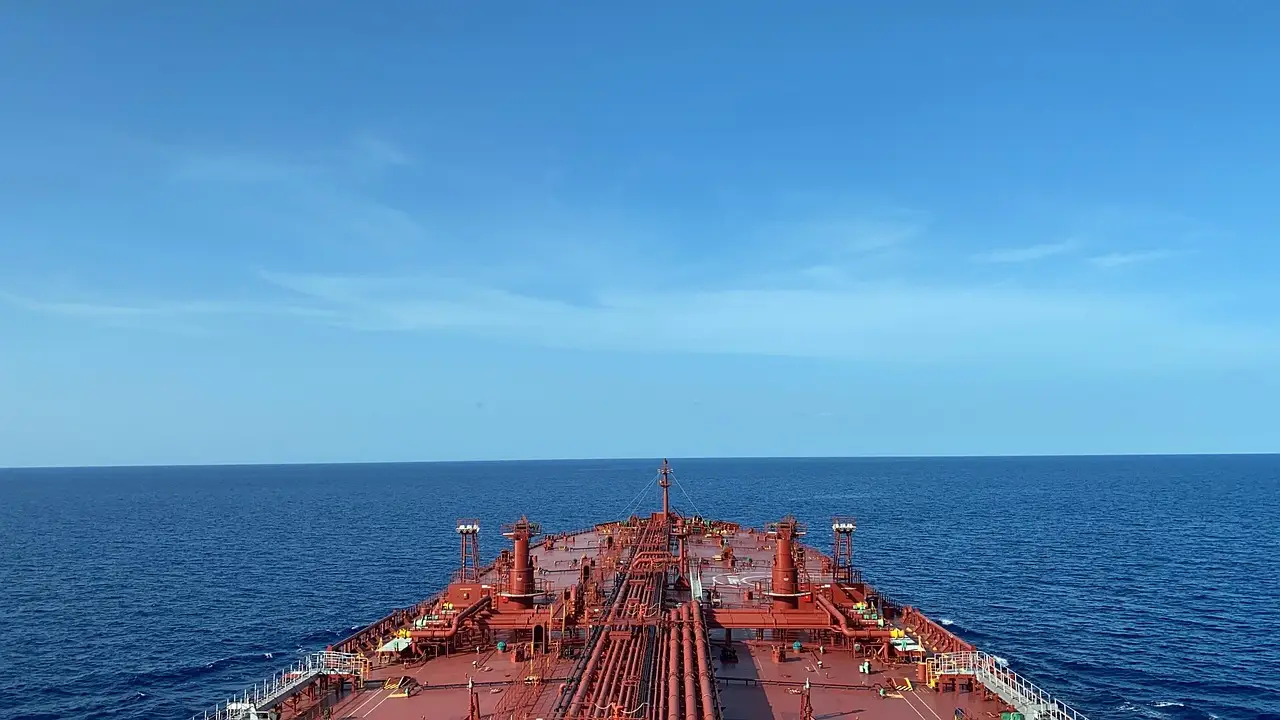
Empty tanker capacity sailing to collect Middle East crude has fallen roughly 40% since late August, according to Tankertrackers.com — a slide that could choke off the region's recent revival in oil shipments to global markets.
The trade runs on two workhorse vessel classes. Very large crude carriers move 2-million-barrel cargoes out of the Persian Gulf; Suezmaxes carry about half that. Strip away 40% of the ballast capacity heading toward the region, and the barrels may stay put regardless of how much producers want to sell.
Why empty ships decide everything
The market watches how much oil leaves the Middle East. It should watch arrivals instead. Those export flows only happen if a steady stream of ships shows up to load the barrels in the first place.
The Iran war has made that simple arithmetic harder. Some owners refuse to transit the Strait of Hormuz at all. Instead, their vessels wait while shuttles willing to run the waterway carry cargoes out to transfer points in the Gulf of Oman.
That workaround is showing strain. "There's not enough vacant tankers to take oil out of the region," Tankertrackers.com co-founder Samir Madani said by WhatsApp. "It's one thing to bring the oil out into the Gulf of Oman via the Strait of Hormuz, but it seems like there isn't enough to take the oil out of the Gulf of Oman." One relay race, apparently, and not enough runners for the second leg.
What does this change for rates?
Quite a lot, potentially. Oil tanker rates have declined from record levels over the past few weeks, easing the cost of delivering crude to customers. Any shortage of empty vessels would push those rates back up — a support line for owners, a renewed cost headache for charterers and refiners.
For shippers and traders, the practical question is timing. A ballast-tonnage deficit doesn't cut exports on day one; it drains them as cargoes queue with fewer hulls to lift them. Flows from the region have already dipped so far this month, Madani said, though the causes, the exact scale and the duration of the drop remain unclear.
Transfers still running — for now
Ship-to-ship transfers outside the Persian Gulf remain at high levels, according to Madani, and those operations are what keep crude moving toward customers at the moment. The relay system works until it doesn't. Each transfer requires a second willing vessel, and the pool of those is precisely what has shrunk by two-fifths since summer's end.
The security backdrop offers no relief. Iran has attacked shipping consistently throughout the conflict, and that record deters transits. Officially reported incidents jumped last month and remain at high levels through November, per data from the International Maritime Organization and the U.K. Maritime Trade Operations Centre. UKMTO issued a fresh maritime security warning update on November 17.
So the pieces line up uncomfortably: fewer empty tankers inbound, persistent attacks on transits, and a transfer system stretched to cover for owners who won't enter Hormuz. If the ballast shortfall persists into December, expect exporters' liftings to slip and tanker rates to find a floor — and then climb.
Source: ttnews.com
More from Amara Osei
Show full bio
Staff writer covering regulation, policy and their impact on Ocean and air freight, container shipping at Waybill Wire.
961 articles
Related05
US Blockade Strands 50+ Iranian Tankers as September Loadings Hit Zero
Red Sea Container Transits Set for Full Return in Q1 Despite Houthi Risk
Empty Supertankers Flee Fujairah as Hormuz Strikes Hit Oil Bypass
Iraq Trucks Up to 150,000 bpd of Crude to Syria as Hormuz Backup Route
Hormuz Traffic Still 65% Below Pre-War as Gulf Oil Exports Rebound