WW/TRADEPOLIC
California’s 2027 tape fees could add $3,900 per million cases
California’s preliminary 2027 schedule would add $3,900 in plastic-tape charges for one million corrugated cases; brands now face component-level reporting ahead of January.
- Desk
- Trade & Tariffs
- By
- Tom Whitfield
- Filed
- Length
- 749 words
- Read
- 4 min
Key points05
- CAA published its preliminary 2027 producer fee schedule on Oct. 1.
- Corrugated cardboard costs $0.03 per pound; attached plastic adds $0.03 per pound, $0.26 per pound and $0.001 per component.
- One million cases with 0.01 pound of tape each generate 10,000 pounds of plastic and $3,900 in preliminary charges.
- Clear or natural PET bottles reach about $0.41 per pound before the per-component charge.
- CalRecycle has 75 days to review the plan submitted Oct. 13; public comment closes Nov. 13.
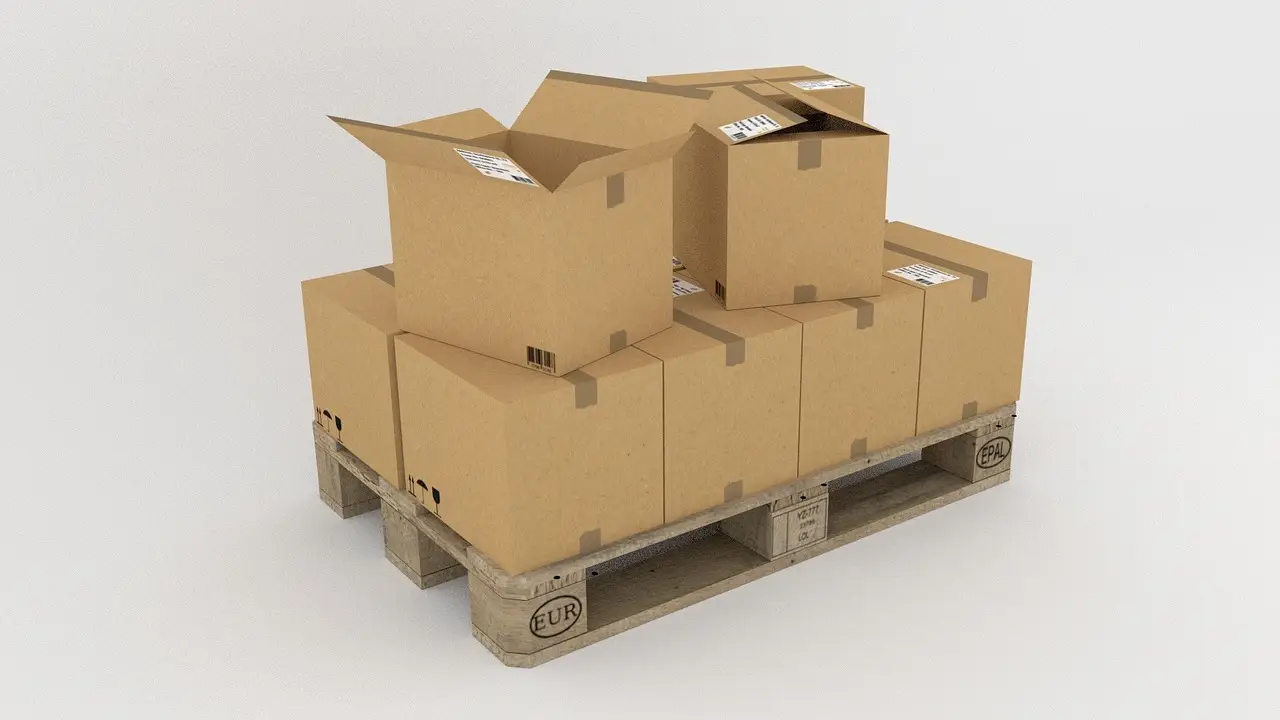
A California producer shipping 1 million corrugated cases into California, each sealed with 0.01 pound of plastic tape, would face $3,900 in preliminary 2027 charges for the tape alone, on top of the cardboard base fee.
The example is illustrative, not a final invoice. Circular Action Alliance (CAA), the state’s producer responsibility organization, published its preliminary 2027 producer fee schedule on Oct. 1. Corrugated cardboard carries a base fee of $0.03 a pound whether or not plastic is attached.
What does this change for shippers and case converters?
In the example, the tape contributes 10,000 pounds of plastic components. The $0.03-a-pound reuse investment fee and $0.26-a-pound Plastic Pollution Mitigation Fund (PPMF) weight fee produce $2,900 in charges. The $0.001-per-component PPMF fee adds $1,000, taking the tape subtotal to $3,900.
Paper tape avoids all three charges. The final total depends on CalRecycle’s approved schedule and on how each component is classified in the producer’s report, so the $3,900 remains a planning estimate rather than a guaranteed bill.
For shippers and converters, the fee adds another line to the lightweighting and specification reviews companies have used this year to control product costs. For carriers and forwarders advising shippers, the operating issue is just as concrete: changing tape or label material can also alter seal strength, packing-line speed and how the case holds up in transit.
Food-service buyers face the same arithmetic on top of customer mandates that already require certified or recycled packaging. A lower-fee material can remove the plastic levies, but it still has to work on the packing line and protect the product through distribution.
How does California price the components?
SB 54, the Plastic Pollution Prevention and Packaging Producer Responsibility Act, requires brand owners and other producers to fund the collection and recycling of packaging sold in California. CAA derives charges from producer-reported supply data, so a converter’s component weight and material class now feed the 2027 invoice through the producer’s report.
CAA said, “59 cents of each dollar in fees goes to regulatory costs,” including the PPMF, CalRecycle’s costs and closure funds. Regulatory costs therefore account for more than half of every dollar collected.
What do other materials cost?
The preliminary base fees per pound are:
- Clear or natural PET bottles: $0.12; pigmented PET bottles: $0.13.
- Polypropylene film and other flexible polypropylene items: $0.27.
- Glass bottles and jars: $0.02.
- Aluminum non-aerosol containers: $0.01.
- Aluminum foil sheets: $0.17.
Plastic packaging pays the reuse and PPMF weight charges on top of its base fee. That brings clear PET bottles to about $0.41 a pound before the per-component charge.
CAA also applies two automatic adjustments based on reported data:
- A 5% reduction for materials recycled above the 2028 target.
- A 5% increase for materials that are neither recyclable nor compostable.
Under the planned billing, producers would receive two equal annual invoices, one in January and one in July. CAA would bill the full PPMF amount in January.
Who controls the component data?
Producers file the supply reports, but converters often hold the detailed information on layers, coatings and closures. A midyear change to a laminate or label can move a component into a different class without the brand’s reporting team hearing about it.
The supply agreement determines whether the converter must report that change. CAA also runs packaging programs in Oregon and Colorado, so brands selling nationally meet the same extended producer responsibility data question across several states.
What must happen before January?
CalRecycle updated its source reduction reporting guidance on July 17, revising a version first published Sept. 1, 2025. Producers must report both the number of plastic components and plastic weight. CalRecycle sets percentage-reduction milestones in both measures for 2027, 2030 and 2032.
The guidance treats those reductions as a collective obligation met through the producer responsibility organization. Each producer’s individual plan informs CAA’s plan without binding that producer.
CAA submitted its revised program plan to CalRecycle on Oct. 13. Under SB 54, CalRecycle has 75 days to review the plan and respond, while public comment runs through Nov. 13. Until the agency acts, the fee rates remain estimates, and CAA plans to issue the first invoices in January.
Without a CalRecycle revision, the January invoices will put component-level plastic costs directly into brands’ 2027 packaging budgets.
Source: environmentenergyleader.com
More from Tom Whitfield
Show full bio
Market editor covering companies, deals and strategy in Ocean and air freight, container shipping at Waybill Wire.
923 articles
Related05
OACPS-EU Assembly Opens in Brussels With Demand for Equal Trade Partnership
Guinea, Ivory Coast and Mauritania sign up to African shipping carbon charges
OFAC lets Best Oasis negotiate disposal of sanctioned tankers
EU sanctions 113 targets as shadow fleet crackdown widens
Vietnam and Japan target 2027 for pomelo and grape market opening