WW/TRADEPOLIC
Vietnam and Japan target 2027 for pomelo and grape market opening
Vietnamese pomelos and Japanese grapes should reach each other's markets by the 2027 harvest, after ministers agreed on reciprocal market access covering fruit, pufferfish and meat.
- Desk
- Trade & Tariffs
- By
- Tom Whitfield
- Filed
- Length
- 669 words
- Read
- 3 min
Key points05
- Ministers met in Japan on November 6 to agree accelerated market access procedures.
- Vietnamese pomelos and Japanese grapes are targeted for each other's markets by the 2027 harvest season.
- A second wave covers passion fruits, peaches, poultry-based pet food and pufferfish.
- Cooperation falls under the Vietnam-Japan agricultural vision for 2025-30, signed September 2025.
- Hung invited Japan to co-found the P-CRAFT sustainable value chain partnership.
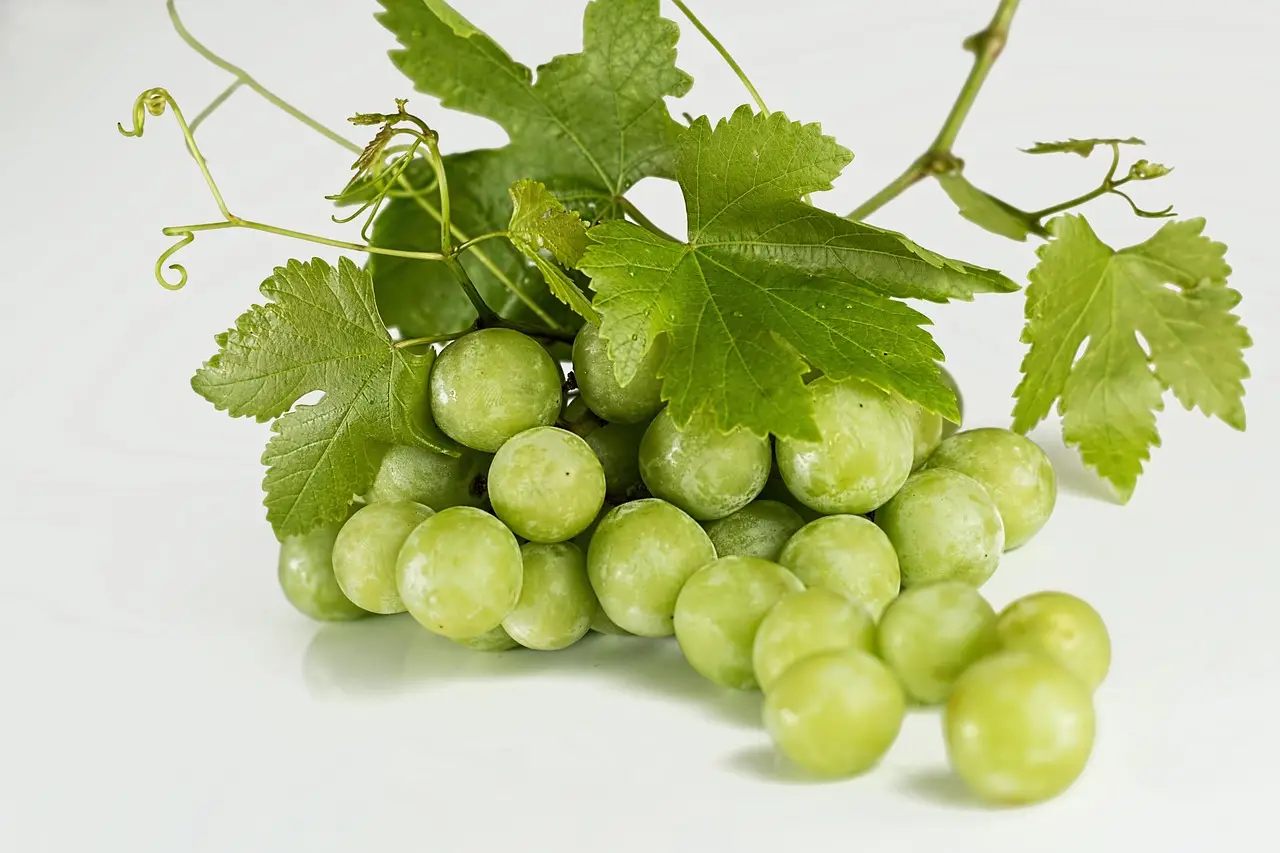
Vietnamese pomelos and Japanese grapes are set to reach each other's markets by the 2027 harvest season, after agriculture ministers from both countries agreed on November 6 to fast-track the required market access procedures.
The commitment came out of talks in Japan between Vietnam's Minister of Agriculture and Environment Trinh Viet Hung and Japan's Minister of Agriculture, Forestry and Fisheries Takebe Arata. It's the most concrete date either government has put on the table for these products, and it anchors a wider reciprocal opening that stretches from passion fruit to pufferfish.
What did Japan actually ask for? Takebe called for faster market access procedures for a broad basket of Vietnamese products: pomelos, grapes, peaches and passion fruits, plus pufferfish, pork, beef and chicken. Japan also pressed Hanoi to shorten the review process for Japanese seafood exporters trying to enter the Vietnamese market.
Hung agreed to consider the pufferfish and meat proposals, but only on a reciprocal, product-by-product basis. That word — reciprocal — carries the whole structure of this deal. Nothing moves unilaterally. Each opening on one side is tied to a matching step on the other.
What's on the timeline?
The two governments set a clear sequence:
- First priority: complete procedures for Vietnamese pomelos and Japanese grapes, targeting arrival in each other's markets for the 2027 harvest season.
- Second wave: open markets for Vietnamese passion fruits, Japanese peaches, Vietnamese pet food containing poultry meat, and Japanese pufferfish.
Hung also pledged to speed up the review of registration applications from Japanese seafood exporters, and called for closer technical coordination between the two countries' agencies — the unglamorous plumbing that determines whether a 2027 target holds or slips.
What does this change for exporters?
For Vietnamese pomelo growers, the Japanese market has long been a high-value, high-barrier destination. A firm procedural deadline gives exporters and packhouses a real planning horizon: investment in cold-chain treatment, orchard registration and phytosanitary compliance can now be timed against a 2027 window rather than an open-ended negotiation. Japanese grape and peach producers get the mirror image — a pathway into a fast-growing Southeast Asian consumer market.
For Japanese seafood exporters, the promised faster registration reviews in Vietnam could trim the paperwork lag that has kept smaller firms out of the market. And for pufferfish traders, the product-by-product framing means the prized fugu trade opens only if Vietnam's own asks move in step.
The bigger bilateral agenda
Market access was only part of the meeting. Hung called for stronger cooperation under the Vietnam-Japan medium- and long-term Vision for agricultural cooperation for 2025-30, signed in September 2025 — barely two months before these talks.
He urged Japan to back Vietnam on green and circular agriculture, emissions reduction, climate adaptation, and digital transformation and smart farming. He also encouraged Japanese businesses to invest directly in Vietnamese agricultural production, transfer technology, and help build sustainable value chains — specifically in crop varieties, post-harvest technologies and food processing.
That last cluster matters commercially. Post-harvest losses and weak processing capacity are the main reasons Vietnamese fruit exports capture less value per tonne than competitors. Japanese investment there would raise export quality across the board, not just for the newly opened lanes.
A multilateral invitation
Hung also invited Japan to become a co-founding partner of the Partnership for Climate-Responsive and Responsible Transformation of Agriculture, Forestry and Fisheries Value Chains — P-CRAFT. The initiative aims to promote sustainable agri-food value chains through technology and innovation, and Japan's participation would give it weight well beyond the bilateral relationship.
Neither minister left the room with signed protocols. What they produced is a sequenced work plan with a date attached: pomelos and grapes first, in time for the 2027 harvest, with passion fruit, peaches, pet food and pufferfish queued behind them. If the technical coordination holds, both markets will see new fruit on shelves — and a test case for how fast reciprocal access can actually move.
Source: news.tuoitre.vn
More from Tom Whitfield
Show full bio
Market editor covering companies, deals and strategy in Ocean and air freight, container shipping at Waybill Wire.
923 articles
Related05
Vietnam Foodexpo 2026 brings 500 firms to Ho Chi Minh City
US farm exports to Vietnam jump 45% to $5.6bn record in 2025
Vietnam seafood exports near $12bn as shrimp prices stay elevated
Vietnam's seafood exports to Singapore reach SGD95.4 million
Vietnam and Malaysia Business Matchmaking Targets Bilateral Trade Growth