WW/OCEANFREIG
Bahri Books $451m VLCC Trio at Saudi Yard IMI
Bahri commits $451m to three 320,000 dwt VLCCs at Saudi yard IMI, lifting its domestic newbuilding tally to nine ships as its owned fleet hits 107 vessels.
- Desk
- Ocean Freight
- By
- Tom Whitfield
- Filed
- Length
- 624 words
- Read
- 3 min
Key points05
- Bahri ordered three 320,000 dwt VLCCs at IMI for SAR1.692bn ($451m), about $150m per ship
- Deliveries from Ras Al Khair are scheduled for 2029-30; contract signed 22 October
- The deal takes Bahri's Saudi newbuilding commitments to nine vessels, after a $203m six-ship ultramax order last October
- Bahri's owned fleet stood at 107 vessels at end-June, following a $1bn nine-VLCC acquisition from Capital Maritime & Trading
- Bahri holds 19.9% of IMI, a JV with Saudi Aramco, HD Hyundai and Lamprell
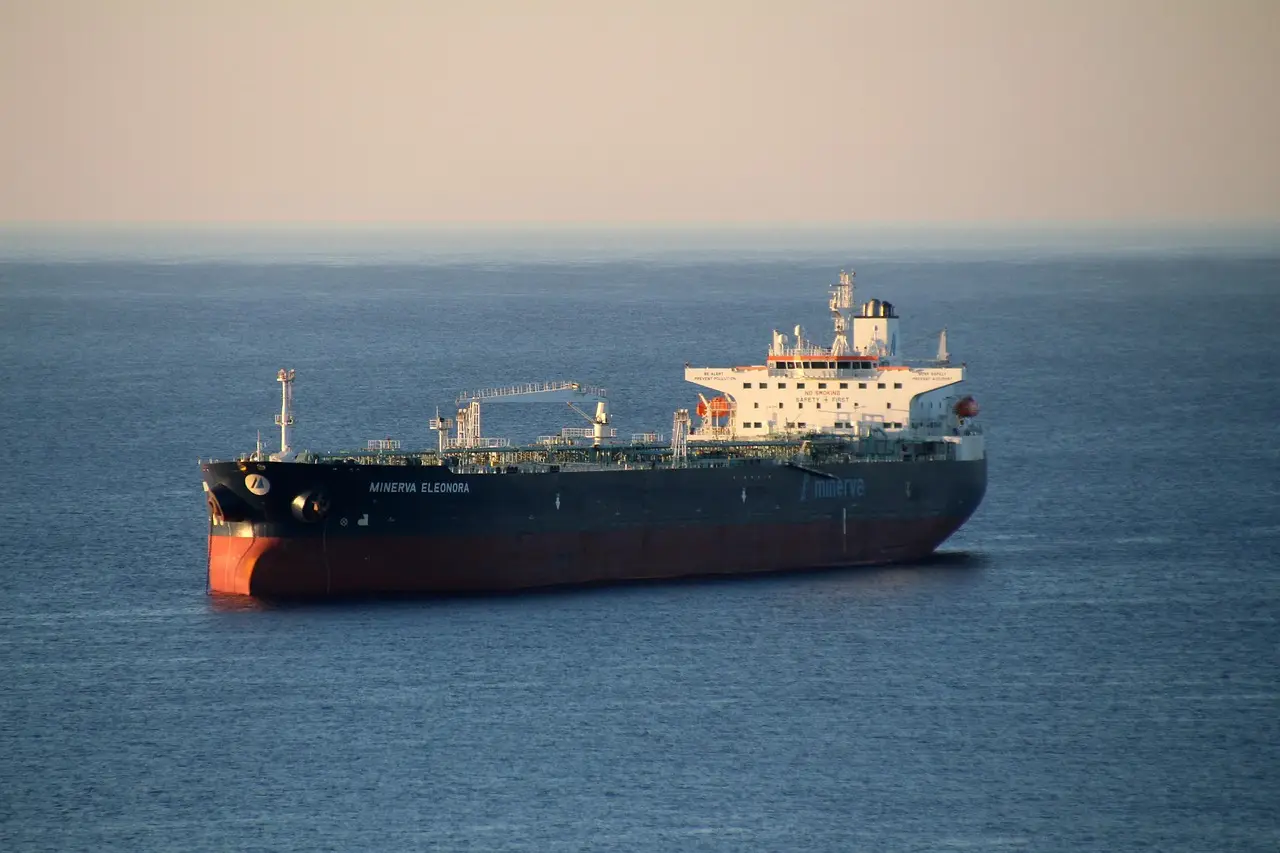
Bahri has signed a SAR1.692bn ($451m) contract for three very large crude carriers at International Maritime Industries (IMI), putting roughly $150m per ship into Saudi Arabia's homegrown shipyard and lifting its Saudi newbuilding tally to nine vessels.
The contract was signed on 22 October and disclosed on Sunday. The 320,000 dwt VLCCs will be built at IMI's Ras Al Khair facility on the kingdom's eastern coast, with deliveries scheduled between 2029 and 2030. That timing matters. These are long-cycle assets. Bahri is locking in capacity and pricing now, well before the ships touch water.
Financing will come from a mix of internal cash and bank facilities, the Riyadh-listed owner said. The newbuildings will feature advanced energy-efficiency technologies — a nod to tightening carbon rules that will bite hardest on the biggest fuel burners afloat.
Why this order is bigger than three ships
The deal anchors Saudi Arabia's push to build a domestic shipbuilding industry. Bahri holds a 19.9% stake in IMI, a joint venture with Saudi Aramco, South Korea's HD Hyundai and Lamprell. Bahri chief executive Ahmed Al-Subaey sits on the shipbuilder's board. The buyer and the builder are, in effect, the same family.
This is the second block order at the yard. Last October, Bahri committed $203m to six geared ultramax bulk carriers of 62,823 dwt at IMI, for delivery between 2028 and 2029. That order launched Saudi Arabia's first large-scale commercial shipbuilding programme. The VLCC trio extends it into the crude segment, which remains the core of Bahri's operations.
What does this change for Bahri's fleet?
Plenty. The company has been renewing its tanker fleet at pace:
- A $1bn acquisition of nine modern VLCCs from Evangelos Marinakis-controlled Capital Maritime & Trading completed last year, after a string of secondhand tanker purchases.
- Five chemical tankers added earlier this year, plus the disposal of one older VLCC.
- An owned fleet standing at 107 vessels at the end of June.
- An ongoing conro newbuilding programme running in parallel across other sectors.
The IMI order replaces reliance on secondhand tonnage with direct control over newbuild supply. It also shifts construction from established Asian yards to Ras Al Khair, betting Saudi capacity can deliver VLCCs on time at competitive prices.
The yard has form, of sorts. In 2021 Bahri took delivery of the 319,000 dwt Rayah, built under an earlier IMI and Hyundai Heavy Industries partnership. That ship was constructed in South Korea, with Saudi engineers participating as part of a technology transfer arrangement. The new trio goes further: the hulls themselves will be built on Saudi soil, testing whether the transferred know-how has taken root.
Commercial read-through
For the tanker market, the signal is capacity on the horizon rather than capacity today. Three VLCCs arriving in 2029-30 won't move spot rates, but every firm order tightens the future supply picture if dry-dock slots stay scarce. For Saudi Arabia, the order keeps IMI's orderbook fed and its industrial policy on track — Aramco-linked crude volumes give the venture a natural customer base.
The $150m-per-ship price sits within the range VLCC newbuilds have commanded at Asian yards, suggesting Bahri isn't paying an obvious premium for building at home, or at least not a large one.
For forwarders and charterers, a Bahri fleet growing younger and larger means more modern, fuel-efficient crude tonnage available on the Gulf routes as the decade closes. Expect IMI's Ras Al Khair line to stay busy: with nine Bahri ships now on its books and the kingdom's shipbuilding programme still young, further orders across crude, bulk and conro segments look the natural next step.
Source: Splash247
More from Tom Whitfield
Show full bio
Market editor covering companies, deals and strategy in Ocean and air freight, container shipping at Waybill Wire.
702 articles
Related05
Asyad Shipping takes delivery of first Kamsarmax, starts one-year charter
Capital Tankers locks in $930m for 11 VLCC newbuilds in China and Korea
BGN pushes VLGC orderbook at HD Hyundai to ten ships
Saudi Arabia mobilises 100,000 troops for Yemen offensive to reopen Bab el-Mandeb
Saudi Aramco Pushes to Lock In Hormuz Shuttles Through 2026