WW/WAREHOUSIN
Asics recovers misplaced stock 60% faster with warehouse drones
Corvus Robotics drones at Asics' Byhalia DC sped misplaced-stock recovery 60%, cut 200 labor hours and let the brand list every SKU online instead of holding back 15%.
- By
- Tom Whitfield
- Filed
- Length
- 728 words
- Read
- 4 min
Key points05
- Asics recovers misplaced inventory 60% faster after deploying Corvus Robotics drones at its Byhalia, Mississippi DC (Nov. 10 release).
- Drones cut 200 labor hours and found 26 misplaced cases holding 200+ pairs of shoes in one three-month period.
- The 855,000-sq-ft site stores nearly 3 million units across ~44,000 SKUs; counts went from twice-yearly to monthly.
- Asics previously held back up to 15 of every 100 products from online listings due to fulfillment risk.
- Seven drone flights run nightly from about 7 p.m., scanning UPCs in aisles mostly under 6 feet wide.
Asics is recovering misplaced inventory 60% faster at its omnichannel distribution center in Byhalia, Mississippi, after deploying autonomous warehouse drones from Corvus Robotics, according to a Nov. 10 press release.
The gain came with no loss of accuracy discipline. In one three-month stretch, the drones found 26 misplaced cases holding more than 200 pairs of shoes — stock that previously might have sat untracked for months. The footwear and apparel brand now cycle counts monthly instead of twice a year, and the shift has already changed how it sells online.
The numbers matter because Byhalia is not a small building. The 855,000-square-foot facility stores nearly 3 million units across roughly 44,000 SKUs and fills e-commerce, wholesale and retail store orders, managed through Manhattan Associates' warehouse management system.
Why manual counting failed Asics
Before the drones, Asics ran physical counts twice a year. Anything misplaced in between could vanish for months. Kyle Koestler, senior director of distribution and transportation at Asics America, put the cost in customer terms: "If a unit went missing, we might not find it for six months. That could be the last pair in the building for an order we've already taken, and then the customer gets a cancellation."
Now, he said, "With Corvus One, we're cycle counting on a monthly basis so we can surface any errors sooner and ensure customer orders are delivered on time."
The drones target two of the site's most critical zones each month: the singles area, which holds single-pair and returned products, and the case reserve space, which stores full cases containing multiple pairs.
How the night flights work
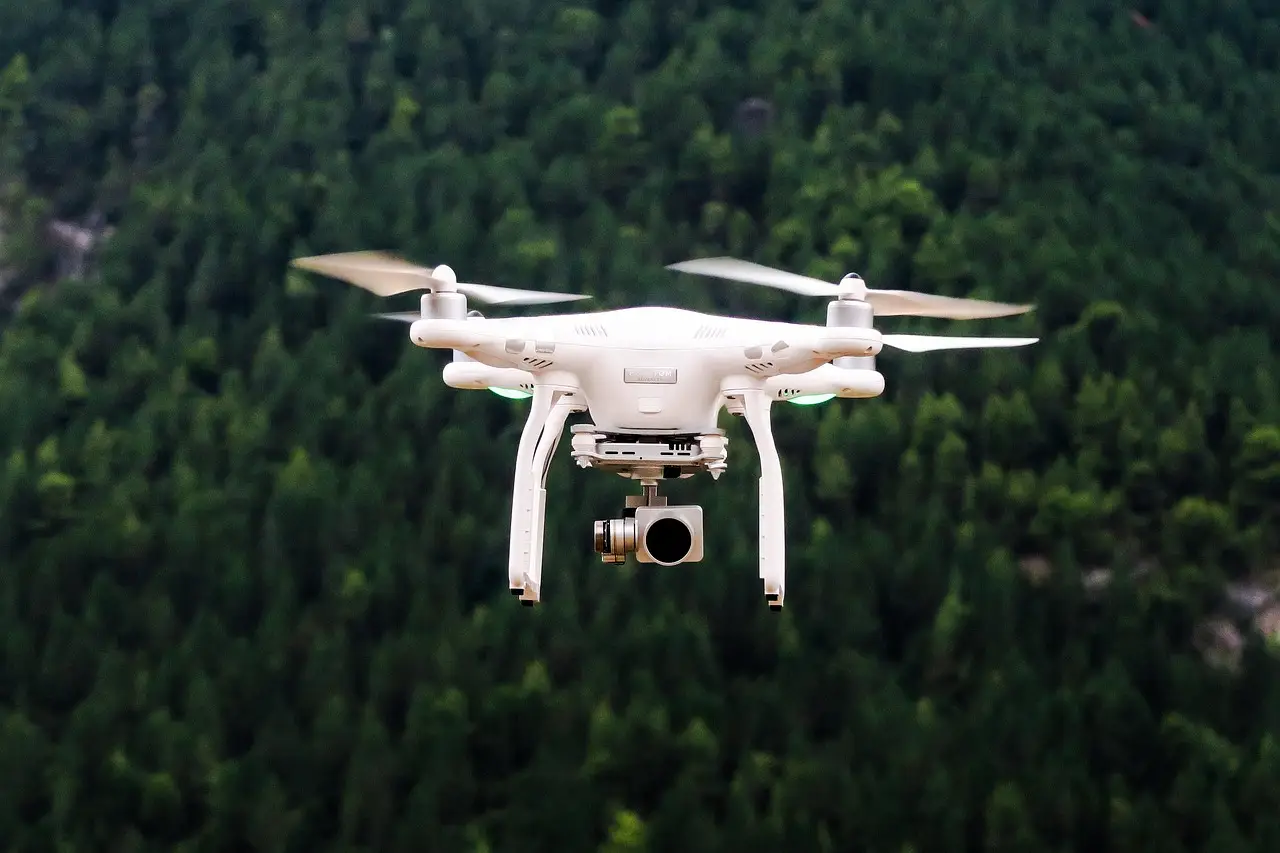
Asics runs seven flights per night, starting around 7 p.m. The drones scan the singles and case reserve sections, reading universal product codes (UPCs) and counting boxes. They do both jobs because different products can share a SKU — especially where new and returned goods sit together.
"If there's 10 boxes, you should have 10 UPCs. And so, there's some unique logic with that," Koestler said in a case study published on Corvus' website.
Humans stay in the loop. Inventory associates review each flight path the next morning, checking video and images the drone captured overnight to catch misreads. Even with that manual review step, the drones have stripped 200 labor hours from site operations — helped by their ability to navigate aisles that are mostly less than 6 feet wide, spaces where conventional equipment struggles.
"Now we can just look at the footage and we can tell exactly what's going on with it in the locations before we have to send someone out," said Angela Williford, inventory control operations manager at Asics America. "If it's something that we can correct from the desk, we'll correct it then."
What does this change for shippers and retailers?
The commercial payoff sits upstream of the warehouse floor. With sharper inventory visibility, Asics no longer hedges on product availability in online marketplaces. It can list all SKUs and stop discounting non-listed stock to clear it. Previously, the company held back up to 15 of every 100 products because of fulfillment risk at the tail of the inventory chain.
That's a direct margin lever. Holding back 15% of assortment means suppressed revenue and forced markdowns; accurate monthly counts convert that trapped stock into sellable inventory.
"So the fewer situations and fewer instances where we have that fire drill where it's like, oh my gosh, we have to go find this, then the better off we're going to be," Koestler said.
A widening adoption curve
Asics is not alone in betting on flying inventory counters. Corvus Robotics also counts alcohol distributor Southern Glazer's Wine & Spirits and skincare brand Dermalogica among its clients. In 2024, sportswear brand On partnered with robotics manufacturer Verity to deploy drones inside a fulfillment center to improve inventory visibility, with plans to scale the rollout across its facility network.
For DC operators weighing the switch, the Asics case sets a concrete benchmark: monthly cycle counts, 60% faster error recovery, 200 labor hours saved, and a fuller online catalog — all in a building whose narrow-aisle layout once made frequent counting impractical. Expect more apparel and footwear distributors to follow as drone vendors push the pitch beyond pilots and into standing night-shift operations.
Source: Supply Chain Dive
More from Tom Whitfield
Show full bio
Market editor covering companies, deals and strategy in Ocean and air freight, container shipping at Waybill Wire.
923 articles
Related05
ASICS finds misplaced inventory nearly 60% faster with drones
Stord Buys AMS Fulfillment in Nine-Figure Deal, Its Largest Yet
Lam Research opens 470,000ft² California warehouse hub
GXO Scales Agility Humanoids to Two More DCs After 100,000-Tote Trial
Seeteria Taps Existing Warehouse Cameras to Recover Lost Dock Capacity