WW/WAREHOUSIN
Stord Buys AMS Fulfillment in Nine-Figure Deal, Its Largest Yet
Stord's ninth-largest deal in 11 years adds 10 AMS warehouses in Los Angeles, Salt Lake City and Philadelphia, plus automated sorting capacity ahead of peak season.
- By
- Tom Whitfield
- Filed
- Length
- 590 words
- Read
- 3 min
Key points05
- Stord paid a nine-figure, undisclosed sum for AMS Fulfillment — its largest acquisition in 11 years.
- The deal adds 10 warehouses totaling nearly 1.3 million sq ft in Los Angeles, Salt Lake City and Philadelphia.
- Stord processes over $15 billion in annual gross merchandise value for more than 1,000 e-tailers; revenue is approaching $1 billion.
- The company raised $650 million in equity and credit this year, including a $400 million credit facility and a $250 million round at a $3 billion valuation.
- AMS is Stord's eleventh acquisition, following Shipwire, Ware2Go and Pitney Bowes' e-commerce fulfillment business.
Stord has paid a nine-figure sum for AMS Fulfillment, the largest acquisition in the Atlanta-based e-commerce logistics provider's 11-year history and its eleventh deal overall. Terms weren't disclosed, but the company confirmed in a Wednesday news release that the price ran to nine figures.
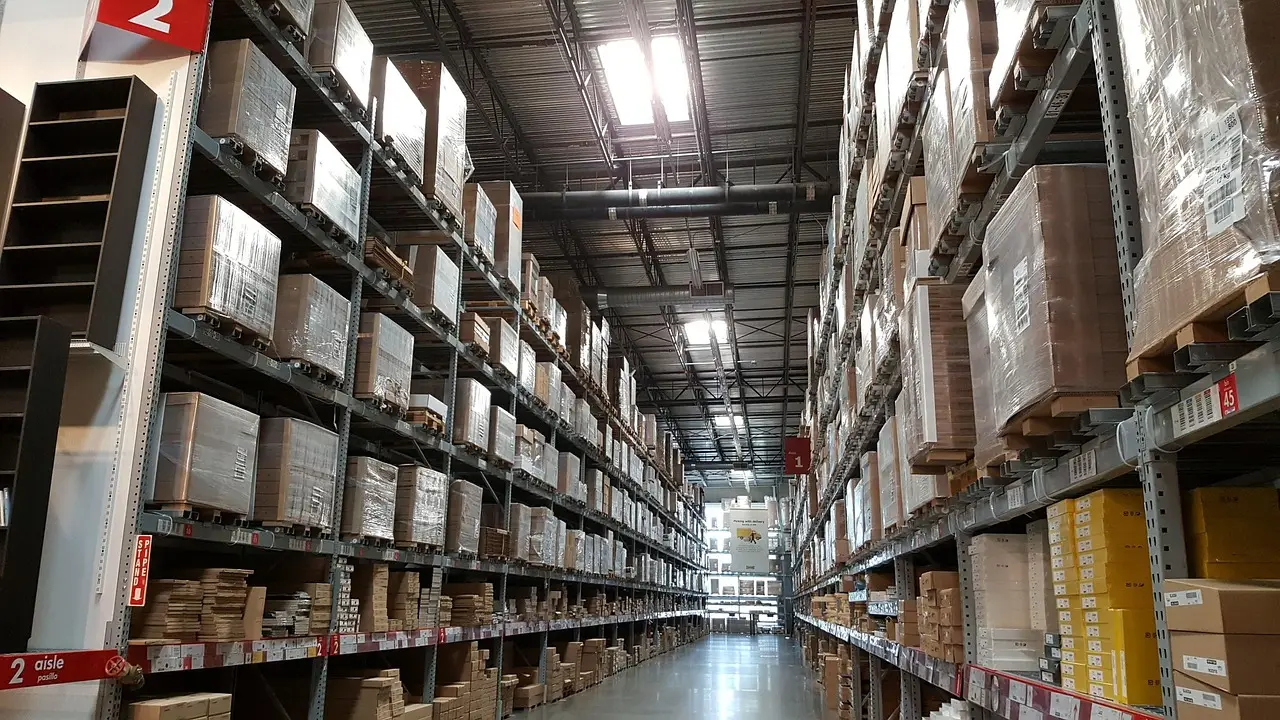
The purchase brings 10 warehouses and nearly 1.3 million square feet of storage, packing and shipping space across Los Angeles, Salt Lake City and Philadelphia into Stord's network. That lifts the company's footprint to more than 100 own-controlled and partner locations worldwide. AMS processes online orders for over 150 beauty, wellness and direct-to-consumer brands.
What does the deal change for shippers?
For AMS's existing customers — largely cosmetics, apparel, footwear and accessories brands — the immediate promise is scale. Stord said those customers should gain from its inventory management, speed and reliability. AMS brings a specific service set to the table: order management, warehouse and inventory management, reverse logistics, plus white-glove work like kitting, displays and personalization for omni-channel fulfillment.
The timing matters too. CEO and co-founder Sean Henry framed the deal around peak season: "AMS brings some of the most discerning brands in the industry onto our platform, and we enter peak season with more scale, intelligence, and momentum than at any point in our history."
A roll-up strategy with capital behind it
Stord positions itself as a challenger to Amazon in e-commerce fulfillment. It processes more than $15 billion annually in gross merchandise value for more than 1,000 e-tailers, many of them small and medium-sized enterprises, though it increasingly serves larger brands with high-frequency orders. Revenue has grown tenfold over the past four years and is approaching $1 billion, the company said.
The business model is turnkey: Stord manages retailer inventory across multiple sites, fulfills orders and selects carriers for final-mile delivery.
The money to keep buying is in place. Stord secured $650 million in equity and credit capacity this year. Earlier this month it closed a $400 million credit facility and named new chief financial and chief revenue officers. In May it raised $250 million in venture capital at a $3 billion valuation, with the capital earmarked for network expansion and faster investment in robotics and artificial intelligence.
The M&A cadence is rapid. AMS follows the 2024 purchase of Pitney Bowes' e-commerce fulfillment business; Ware2Go from UPS and Penny Black, a SaaS startup doing hyper-personalized post-purchase inserts, in 2025; and Shipwire from Ceva Logistics in January. Stord also bought a former Quiet Logistics warehouse this year to grow its Dallas footprint.
Automation as the connective tissue
Two of the acquired sites — AMS's California and Delaware facilities — already run automated bin sorting systems. Stord says those systems complement recent investments from its development hub and give it automated capacity on which to deploy new robotics and AI.
The bigger claim is about data. Stord argues that its physical infrastructure, vertically integrated technology and growing dataset will let it train models on live fulfillment data across nearly 100 facilities — leapfrogging normal technology deployment cycles and making the network smarter, faster and cheaper to operate.
What that means in practice: a consolidator that now spans more than 100 sites, holds $650 million in fresh capacity, and enters peak season with 150-plus new beauty and wellness brands on its platform, betting that scale plus live data beats piecemeal automation. Expect the acquisition trail to continue while the credit facility lasts.
Original: live.freightwaves.com
More from Tom Whitfield
Show full bio
Market editor covering companies, deals and strategy in Ocean and air freight, container shipping at Waybill Wire.
614 articles