WW/TRADEPOLIC
Zero Russian Diesel Delivered Under Trump-Putin Deal as Four Tankers Divert
Four tankers carrying Russian diesel, two African-flagged, have diverted from US routes as a Congressional import ban outweighs a Treasury waiver on Trump's 1.8m-tonne deal.
- Desk
- Trade & Tariffs
- By
- James Calloway
- Filed
- Length
- 648 words
- Read
- 3 min
Key points05
- Zero Russian diesel has reached the US nearly a month after the October 9 Trump-Putin announcement.
- The deal promised over 1.8 million tonnes, including 300,000 tonnes immediately and 500,000 tonnes in November.
- US average diesel price hit $6.27 per gallon amid supply disruptions, per AAA.
- Treasury's sanctions exemption runs to April 7, 2027, but Congress's import ban still deters buyers.
- Tankers Talisman, Leruo, Agioi Fanentes and Beast have all diverted or left destinations unconfirmed.
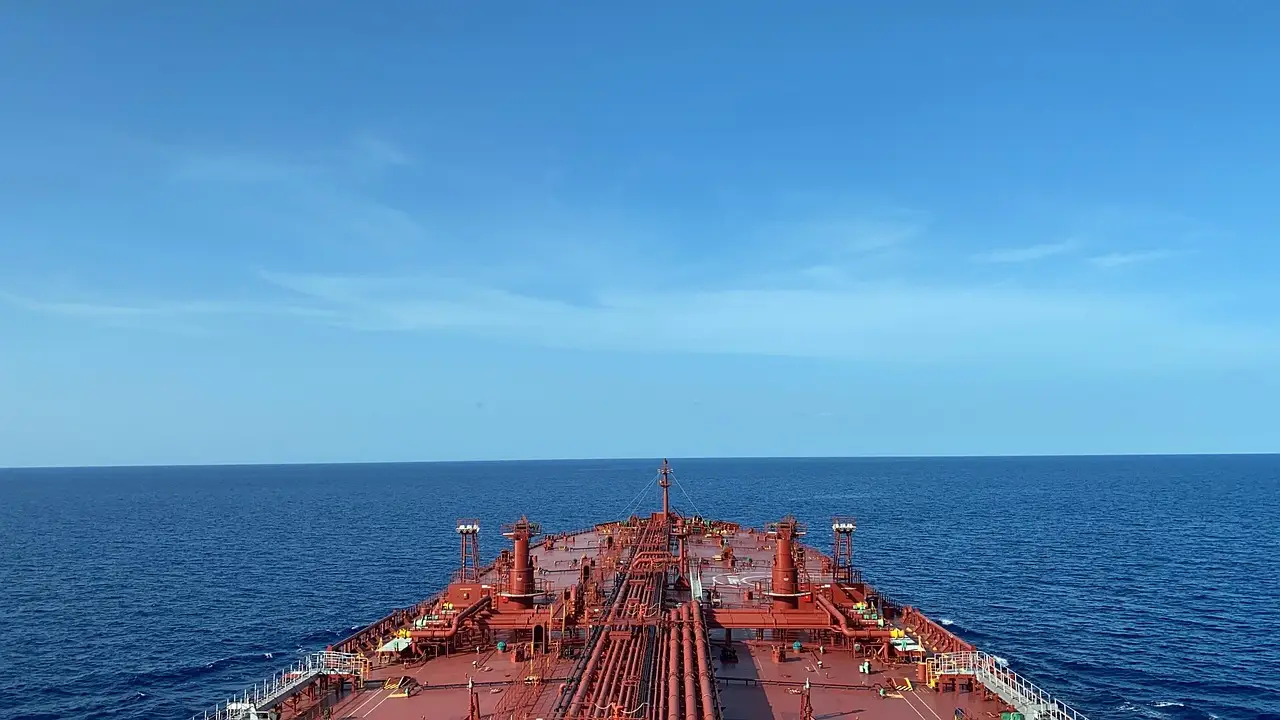
Not a single tonne of Russian diesel has landed in the United States nearly a month after President Donald Trump announced a deal with Vladimir Putin to release more than 1.8 million tonnes of the fuel, according to Al Jazeera. At least four tankers that originally signalled US destinations have now diverted, two of them flagged to African states.
The tankers shifted course amid unresolved legal risks created by conflicting US policy: a Treasury exemption on one side, a Congressional import ban on the other.
The Russian-flagged Talisman and the Sierra Leone-flagged Leruo both initially listed the US East Coast as their destination. Talisman has since moved into the Mediterranean, while Leruo redirected toward Brazil. A third vessel, the Malta-flagged Agioi Fanentes, continued across the North Atlantic but switched its destination signal from New York to "for orders", leaving its discharge port unconfirmed.
A fourth tanker, Beast, left Russia's Baltic port of Primorsk in late October and has been signalling "Atlantic", suggesting a possible run at the US East Coast. Beast presents the riskiest cargo of the lot: it is owned by a Seychelles-based company and is already a sanctioned vessel. Neither its arrival nor final destination has been confirmed.
Why did Trump turn to Putin for diesel?
Trump announced the arrangement on October 9 after a phone call with Putin, calling the discussion successful and promising an immediate release of more than 300,000 tonnes of diesel to American and global markets. He said another 500,000 tonnes would follow in November, with a further 1 million tonnes immediately afterwards, taking the announced total past 1.8 million tonnes.
The timing was driven by price pain at the pump. US diesel prices surged to an average of $6.27 per gallon, according to the American Automobile Association, after disruptions to global energy supplies following the US-Israel war on Iran. Ukrainian attacks on Russian energy facilities had also squeezed Moscow's fuel output, and Trump blamed those attacks for worsening the diesel shortage.
For Putin, the deal offered a route back into a major Western market and fresh export revenue despite restrictions imposed after Russia's 2022 invasion of Ukraine. The agreement reversed the US ban on Russian oil and petroleum product imports introduced that year, and the Treasury Department issued a temporary sanctions exemption covering the relevant diesel transactions until April 7, 2027.
Why are the cargoes stuck in legal limbo?
The exemption did not clear the decks. Congress's import ban remains in force, and lawmakers and state officials have warned companies against handling the shipments. That legal exposure, rather than any shortage of announced supply, is what stops the agreement from converting into confirmed deliveries to American buyers.
For carriers and traders, the calculation is blunt. A Treasury waiver is worth little if a state attorney general or federal lawmaker comes after the discharge. Hence the diversions.
What role do African registries play?
The African connection runs through Leruo and Beast, not the fuel itself. Leruo sails under the Sierra Leone flag though it has been described as Hong Kong-owned, and Beast is owned by a Seychelles-based company. Neither ship carries African-produced diesel; both loaded at Primorsk, the major Russian Baltic export terminal fed by the country's refinery network.
Their African links are matters of flag registry and corporate ownership, a familiar pattern in international petroleum shipping.
The diversions also matter for African fuel markets. Reuters has reported that Russia traditionally exports diesel to Turkey, Brazil and African countries, so cargoes turned away from the US could flow back into those established channels, though final buyers remain uncertain.
Until Washington resolves the standoff between the Treasury exemption and the Congressional ban, tanker signals will keep flickering between "New York", "for orders" and "Atlantic" — and the 1.8 million tonnes will stay largely at sea.
Source: africa.businessinsider.com
More from James Calloway
Show full bio
Correspondent covering companies, deals and strategy in Ocean and air freight, container shipping at Waybill Wire.
788 articles
Related05
Only One of Three Russian Diesel Tankers Appears Bound for U.S.
40,000 Tons of Russian Diesel Headed for New York
Russian diesel tankers head for US amid sanctions dispute
300,000 Tons of Russian Diesel Draw U.S. Congressional Scrutiny
Senator Demands Russian Diesel Tanker Reverse Course as Legal Fight Escalates