WW/AIRCARGO
White House Unveils $17 Billion in Southeast Asia Deals
Boeing's $12 billion 787 sale to Philippine Airlines anchors a $17 billion White House package spanning defense financing, coal supply and AI infrastructure across five ASEAN states.
- Desk
- Air Cargo
- By
- Marcus Bennett
- Filed
- Length
- 616 words
- Read
- 3 min
Key points05
- White House announced $17bn+ in Southeast Asia deals on Nov 18 after Trump's ASEAN Summit visit
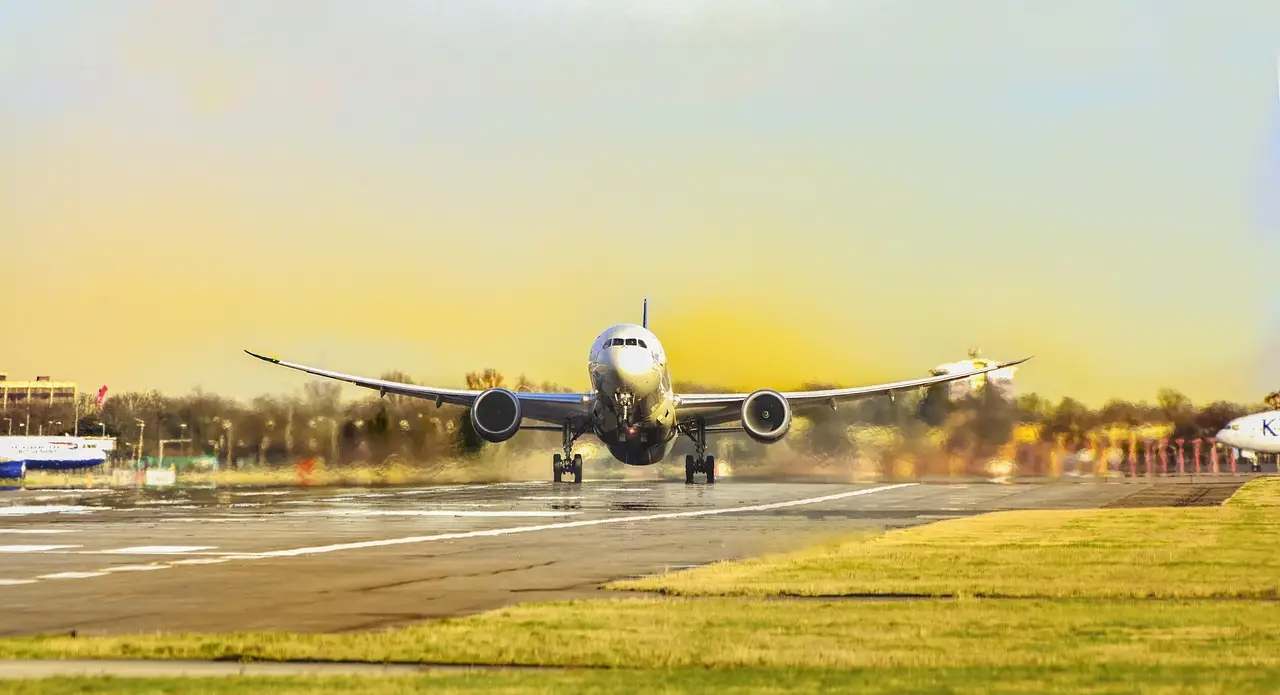
- Boeing and GE Aerospace finalized a $12bn sale of 20 787s to Philippine Airlines
- U.S. to pursue $2bn+ defense financing for Manila, incl. $400m for South China Sea operations
- Thailand plans up to $123m HIMARS purchase; Indonesia negotiating $2bn coal project
- Brunei data-center tender to Vertiv with ~$1bn from U.S. vendors; $50m for Malaysia AI cloud
More than $17 billion in commercial deals and strategic investments for U.S. companies in Southeast Asia were announced by the White House late on November 18, capping President Donald Trump's two-day working visit to the Philippines for the ASEAN Summit.
The single largest line item is aviation. Boeing and GE Aerospace finalized a $12 billion sale of 20 Boeing 787 aircraft to Philippine Airlines — a deal that alone accounts for roughly 70 percent of the announced package and lands as a substantial widebody commitment in a region where fleet renewal plans have competed for capital against cargo and infrastructure spending.
What does the package contain beyond the Boeing order?
The remaining commitments span defense, energy, and digital infrastructure across at least five countries:
-
Philippines defense: Washington and Manila will pursue more than $2 billion in U.S. financing for Philippine defense purchases, with $400 million earmarked to support military operations in the South China Sea.
-
Subic Bay: Subic Grain will build a $40 million fuel depot at Subic Bay, a facility with direct relevance for regional bunkering and fuel logistics chains.
-
Basco Airport: The Philippines will modernize Basco Airport, which the White House framed around improved military access, disaster response and supply chains.
-
Thailand: Bangkok plans to spend up to $123 million on U.S.-made High Mobility Artillery Rocket Systems (HIMARS) — potentially the first such deal in mainland Southeast Asia, according to the statement.
-
Indonesia: Latitude Energy and sovereign wealth fund Danantara are negotiating a $2 billion coal project using U.S. technology. Negotiating, not signed — a distinction worth noting given the headline total.
-
Malaysia: The Navajo Transitional Energy Company signed a three-year, $100 million deal to supply coal to a unit of Tenaga Nasional Berhad, Malaysia's national power utility.
Where does the digital piece land?
The package also extends into data infrastructure. Brunei's Unified National Networks plans to award U.S. firm Vertiv a data center tender, with nearly $1 billion of spending sourced from U.S. vendors — a meaningful commitment for a country of Brunei's size and a signal of where Southeast Asian sovereign capital is directing data-center buildouts.
Malaysia adds a parallel track. A U.S. consortium will help the Malaysian government develop its sovereign AI cloud, with Washington offering $50 million to support the initiative, according to Malaysia's communications regulator, which disclosed the figure in a separate statement. The U.S. also pledged support for AI development programs in Malaysia and Brunei.
How solid are the numbers?
The $17 billion figure deserves scrutiny on composition. The White House total mixes finalized contracts, such as the Boeing-PAL sale and the Navajo Energy coal supply agreement, with items still at the negotiation or planning stage — the $2 billion Indonesian coal project and the Brunei tender among them. Defense financing of "more than $2 billion" is framed as something the two governments "will pursue," language that stops short of committed expenditure.
For carriers, forwarders and shippers, the near-term commercial read-through is concentrated in a handful of items: the widebody delivery pipeline into Manila, jet fuel and depot infrastructure at Subic, and air freight capacity implications as 20 787s eventually enter Philippine Airlines' network. The energy flows — U.S. coal into Malaysian generation and a possible $2 billion Indonesian project — would add transpacific bulk tonnage if concluded, though neither the volumes nor the timelines appear in the White House statement.
What the statement does establish is direction: U.S. commercial engagement across ASEAN is deepening in aircraft, arms, coal and compute, and the next test will be how much of the $17 billion converts from announcement to executed contract over the coming quarters.
Source: supplychainbrain.com
More from Marcus Bennett
Show full bio
Senior reporter covering regulation, policy and their impact on Ocean and air freight, container shipping at Waybill Wire.
984 articles
Related05
DP World locks in Manila and San Antonio concessions
Maersk Hikes Peak Season Surcharges on Asia–Africa Trades
Hai Phong pulls $3.8bn in FDI in 10 months, targets four Asian markets
Asia project cargo demand surges, but roads and bridges can't keep up
Hong Kong and Japan link air cargo networks in multimodal capacity push