WW/TRADEPOLIC
US Blacklists Five Cuban Tankers in Widened Oil Shipping Crackdown
Washington has blocked five Cuban-flagged tankers and designated eight companies and two individuals, expanding sanctions that now expose foreign firms in Cuba's marine and tech sectors.
- Desk
- Trade & Tariffs
- By
- James Calloway
- Filed
- Length
- 500 words
- Read
- 2 min
Key points05
- The US blocked five Cuban-flagged tankers: Esperanza, Gloria C, Maria Cristina, Emilia and Lourdes
- Eight companies and two individuals were designated under the executive order
- Caroil Transport Marine of Cyprus was first blacklisted in 2019; the new action expands existing restrictions
- Treasury widened sanctions authority to foreign firms in Cuba's marine, manufacturing, electronics and technology sectors
- Authorised humanitarian trade, including food and medicines, remains exempt
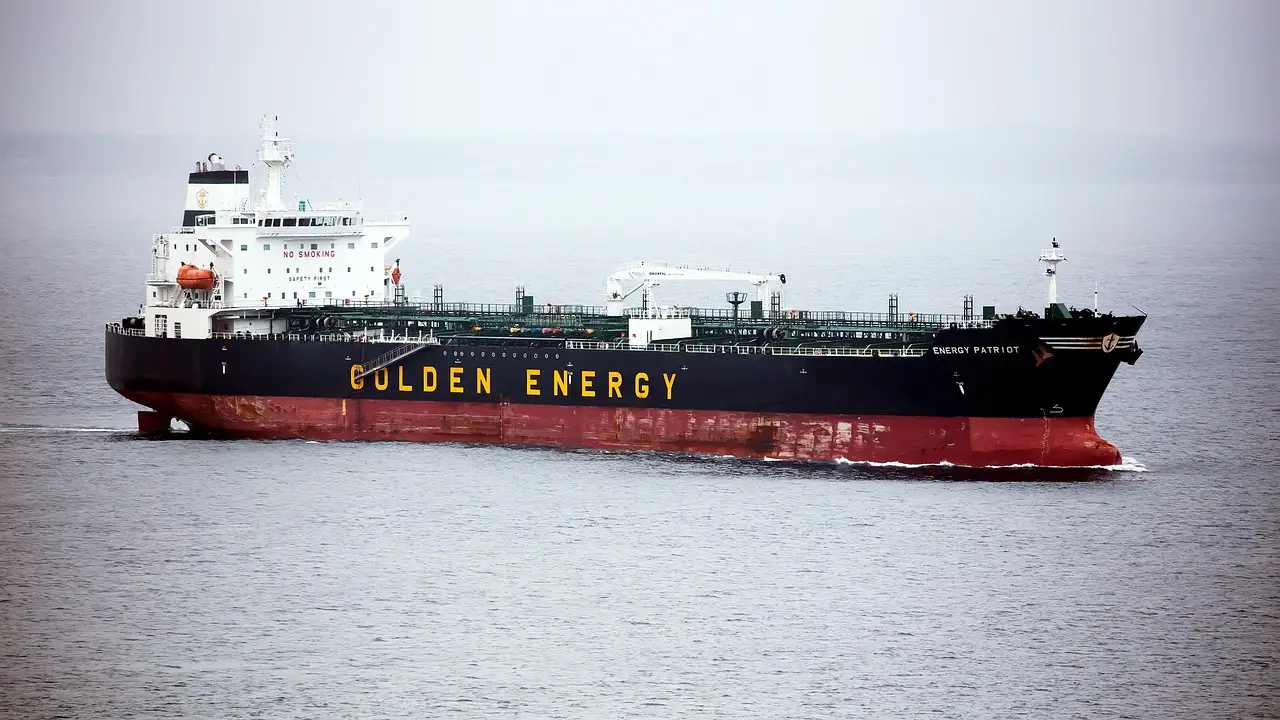
Five Cuban-flagged tankers are now blocked property of the US government, part of a widened sanctions push against Havana's oil shipping network announced by the State Department.
The designated vessels are the Esperanza (IMO 9289166), Gloria C (9540273), Maria Cristina (9502453), Emilia (9242209) and Lourdes (9259692). All five sail under the Cuban flag. The action freezes any US-linked assets and generally prohibits dealings with the ships by American persons.
The measures go beyond hulls. Eight companies and two individuals were designated under an executive order aimed at the Cuban government's revenue streams and military support networks.
Who manages the tankers?
The ownership and management web stretches across three jurisdictions:
- Cyprus-based Caroil Transport Marine commercially manages Esperanza, Gloria C and Maria Cristina
- Panama-registered Tentacool Commercial owns Gloria C
- Cuba's Internacional Maritima owns Esperanza
- Havana-based Petroleos Maritimos del Caribe, known as Petromarca, manages Emilia and Lourdes
Several of the targets are not new names. Caroil was blacklisted in 2019, and Esperanza and Maria Cristina were sanctioned that year too. Yesterday's action is an expansion of existing restrictions, tightening a net that Washington has been drawing for years.
The State Department also named Guillermo Faustino Rodriguez Lopez Calleja, linking him to what it describes as an extensive offshore oil shipping network.
What changes for foreign operators?
The sharper edge sits in a separate Treasury move. The US expanded its sanctions authority to cover foreign companies operating in Cuba's marine, manufacturing, electronics and technology sectors. That broadens potential exposure well beyond US persons — foreign companies providing services to designated parties could now face sanctions themselves.
For ship managers, port agents, insurers and financiers, the practical risk is secondary designation. A non-US service provider touching any of the five tankers, or dealing with Caroil, Tentacool, Internacional Maritima or Petromarca, risks losing access to the US financial system. Carriers and traders will need to screen charters, bunkering arrangements and cargo bookings against the new list immediately.
The designations effectively remove the vessels from legitimate international commerce. Any bank clearing dollar payments connected to these ships, any port calling them in, and any charterer lifting their cargo now sits squarely in Washington's crosshairs.
Is humanitarian trade still possible?
Yes. Washington stressed that authorised humanitarian trade, including food and medicines, remains exempt from the restrictions. That carve-out preserves a narrow lane for legitimate cargo even as the wider net tightens around fuel logistics to the island.
Cuba's oil supply chain has relied heavily on tanker imports, and the loss of commercially managed tonnage — particularly the Caroil-managed trio already hobbled since 2019 — compounds Havana's fuel distribution problems. State oil importers typically lean on just such mid-sized tankers for refined product deliveries.
With the Treasury's sectoral expansion now on the books, compliance teams should expect further designations across Cuba's maritime, manufacturing and technology supply chains, and the secondary-sanctions threat means the exposure is no longer limited to US-domiciled firms.
Source: Splash247
More from James Calloway
Show full bio
Correspondent covering companies, deals and strategy in Ocean and air freight, container shipping at Waybill Wire.
730 articles
Related05
FMC Proposes $200,000 Per-Call Fees on Spanish Ships in Port Dispute
USCG boards M/V Grace in Caribbean, finds fuel hidden in ballast tanks
Cheniere Locks In Petrobras for 22 Years in 800,000-Tonne LNG Deal
Savannah and Genoa Deepen Transatlantic Port Cooperation
MPC Oceanic Buys 41% of Marlow Navigation in Crewing Push