WW/TRADEPOLIC
UK Blacklists 11 Ships in Fresh Russia Sanctions Sweep
Britain has sanctioned 11 vessels tied to Russian energy exports — five LNG carriers, five oil tankers and a floating storage unit — plus nine companies including Slavneft and Rosneft's Vostok Oil project.
- Desk
- Trade & Tariffs
- By
- Marcus Bennett
- Filed
- Length
- 591 words
- Read
- 3 min
Key points05
- UK designated 11 ships: five LNG carriers, five oil tankers and one floating storage unit
- Nine companies sanctioned, including Slavneft — bringing all ten of Russia's largest oil producers under UK sanctions
- Designated vessels fly Russian, Panamanian, Sierra Leonean and Djiboutian flags
- Announcement came at the European Political Community summit in Dublin
- Britain sanctioned six ships in August and earlier targeted Russia's LNG shadow fleet
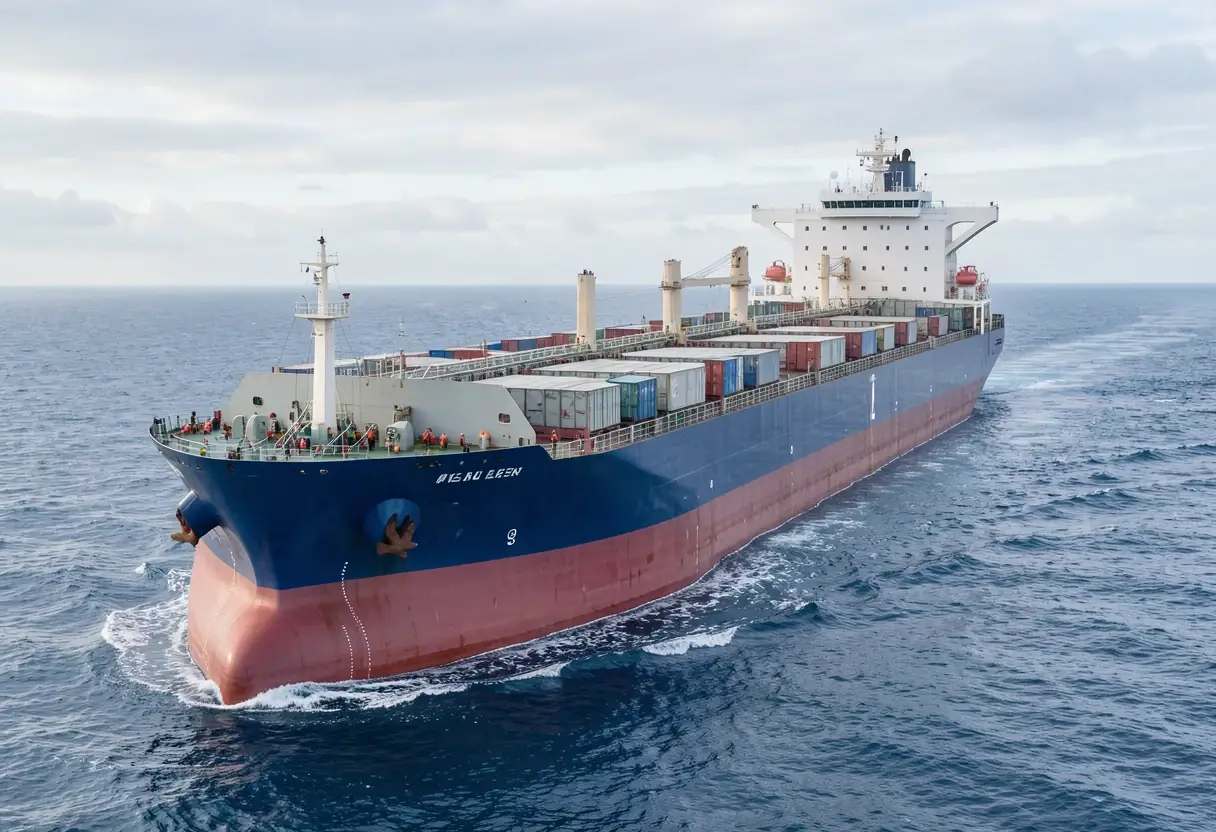
Britain has designated 11 vessels tied to Russian energy exports — five LNG carriers, five oil tankers and a floating storage unit — in its latest attempt to disrupt Moscow's seaborne oil and gas trade. The measures, announced during the European Political Community summit in Dublin, also sweep in nine companies and bring all ten of Russia's largest oil producers under UK sanctions for the first time.
The LNG additions are the carriers Melicertes, Neleus, Perle, Aeolus and Oneiroi, alongside the Novatek-linked Koryak floating storage unit. On the crude side, London blacklisted the tankers Apeks, Sara Sky, Balu 6, Yvika and Alma. The official sanctions notice records a mixed flag profile across the fleet — Russian, Panamanian, Sierra Leonean and Djiboutian registries — a pattern consistent with the opaque ownership structures that have kept Russian barrels moving since 2022.
What do the restrictions actually prohibit?
The designations bar the named ships from British ports and impose controls on chartering and operating them. They also restrict the provision of services including ship finance, broking, technical assistance and crewing, subject to applicable exceptions and licensing arrangements.
For charterers and forwarders, the practical exposure is the services clause. A shipowner, broker or crewing agency that touches a designated vessel without a licence risks UK enforcement, regardless of where the cargo changes hands. Compliance desks will need to screen not just the vessel name but associated operators — the corporate designations are designed to catch exactly that layer.
Which companies are caught?
The corporate additions extend the crackdown beyond individual hulls:
- Slavneft — the Russian oil producer whose inclusion completes UK coverage of all ten of Russia's largest oil producers
- Vostok Oil — Rosneft's flagship Arctic development project
- Forteza Trading, Patera and Novus Energy — Dubai-based energy trading businesses; UK authorities specifically linked Novus Energy to dealings involving vessels already under British restrictions
- Sibur — the Russian petrochemical producer
- SUEK and Kuzbassrazrezugol — coal groups
The Novus Energy designation is the detail worth watching. It signals that British authorities are now pursuing counterparties who trade around previously sanctioned ships, not merely adding new hulls to the list. Traders who assumed exposure ended at the vessel level have that assumption tested here.
How fast is the net tightening?
The pace has accelerated through 2024. Britain sanctioned six ships in August alone and had earlier targeted Russia's developing LNG shadow fleet in a dedicated package. Thursday's sweep — five LNG carriers in a single tranche — suggests the LNG segment, long treated more leniently than crude, is now a primary focus.
That trajectory matters for European gas markets. Russia's LNG has continued to flow into European ports even as crude sanctions tightened; each carrier designation narrows the fleet available for those cargoes, and reflagging or renaming vessels buys only limited protection once UK authorities map ownership chains.
The government timed the announcement to the European Political Community summit in Dublin, where pressure on Russian energy revenues formed part of wider discussions on Ukraine. The linkage is explicit: these are revenue-focused measures, not maritime safety actions, and the target is the export earnings that fund the war effort.
What comes next?
Expect the cadence to hold. London has added ships in repeated tranches this year, has completed its coverage of Russia's top ten oil producers, and is now probing the trading intermediaries in Dubai that connect sanctioned tonnage to buyers. Unless licensing arrangements soften the impact — and the notice leaves those exceptions undefined — the operating envelope for Russia-linked LNG and crude will keep shrinking with each subsequent package.
Source: Splash247
More from Marcus Bennett
Show full bio
Senior reporter covering regulation, policy and their impact on Ocean and air freight, container shipping at Waybill Wire.
882 articles
Related05
UK Sanctions Eight Russian Ships in Latest Crack on Energy Trade
UK Sanctions Now Cover Over 90% of Russian Oil Capacity
Russian diesel tankers head for US amid sanctions dispute
UK extends Sakhalin 2 LNG trading window to March 2028 for Japan, South Korea
Shadow Fleet Sanctions Relief Talk Wipes Billions Off Tanker Stocks