WW/TRUCKINGRA
U.S. truck tonnage slips to 114 as container imports hit record
U.S. for-hire truck tonnage eased to 114 in October, but record imports of 2.67 million TEUs and constrained capacity point to stronger holiday rates through January.
- Desk
- Trucking & Rail
- By
- James Calloway
- Filed
- Length
- 663 words
- Read
- 3 min
Key points
- ATA’s For-Hire Truck Tonnage Index fell to 114 in October from 116.1 in September but remained 1.8% above a year earlier.
- October container imports reached a record 2,674,808 TEUs, up 16% year over year and 5% from September.
- The Port of Los Angeles handled 1,026,872 TEUs, up 21%; the Port of Long Beach reported 937,715 containers, up 11.7%.
- U.S. shipper spending rose 32.1% year over year in the third quarter, while Southwest spending increased 51.6%.
- ACT Research expects tight capacity through January to support higher spot and contract rates.
U.S. for-hire truck tonnage eased to an ATA index reading of 114 in October from 116.1 in September, even as record container imports and rising shipper spending kept freight demand on an upward year-over-year path.
ATA’s For-Hire Truck Tonnage Index, which sets 2015 at 100, stood at 114 in October. October remained 1.8% above October 2025, matching September’s year-over-year gain, while tonnage across the first 10 months of 2026 rose 1.1%.
What changed in the October freight data?
ATA raised September’s reading from the 114 it first published Oct. 20 after fleets submitted additional data, the association said Nov. 24. The revision made September’s sequential gain stronger and the pullback into October more pronounced.
“Truck tonnage started the final quarter of the year being mixed, with a slight drop in volumes sequentially after a very strong gain the previous month,” ATA Chief Economist Bob Costello said. He attributed the annual gain to rising imports, moderate factory-output growth and increased consumer spending.
How strong were container imports and port volumes?
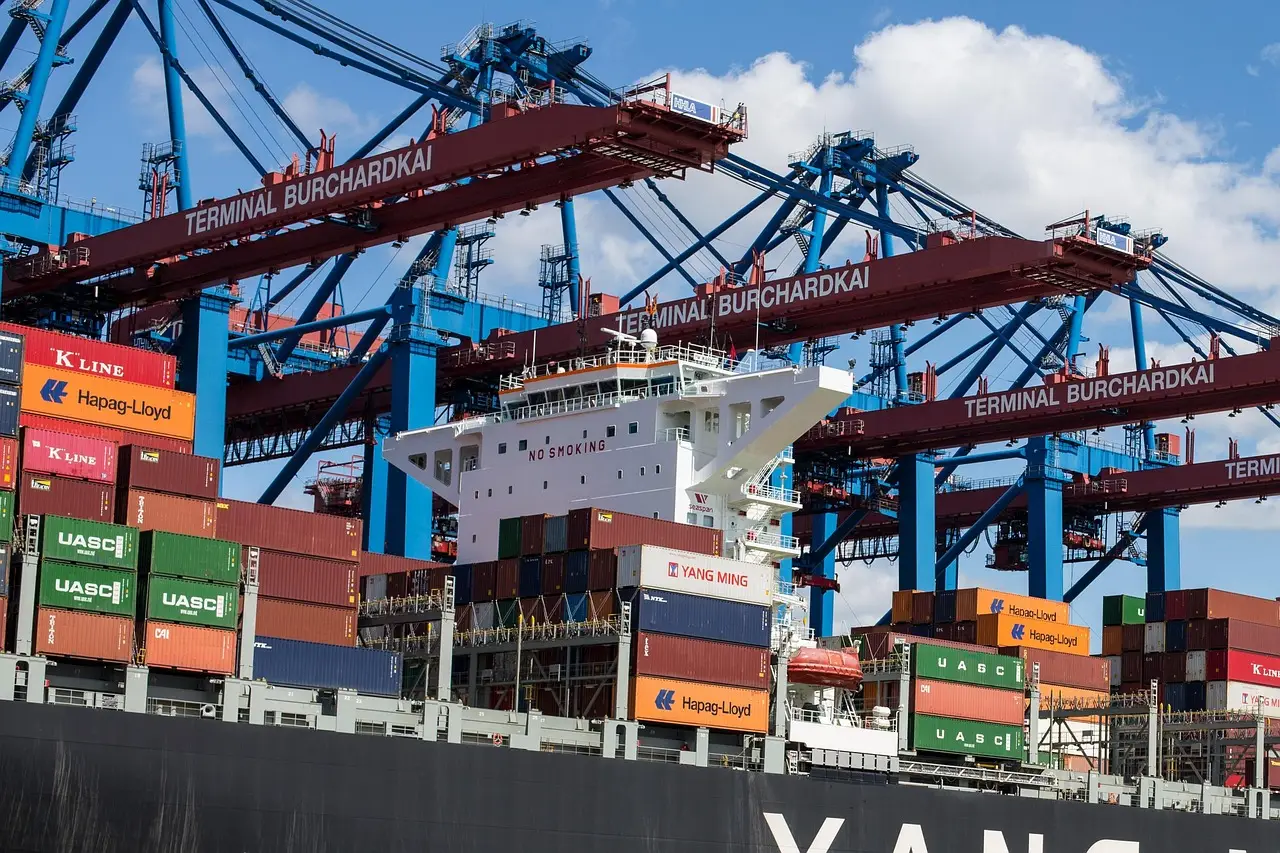
Descartes Systems Group data put October container imports at an all-time high of 2,674,808 TEUs, up 16% year over year and 5% from September. The total topped May 2022’s previous record by 2%, supporting freight demand for domestic truck capacity.
The Port of Los Angeles handled 1,026,872 TEUs in October, up 21% from 848,424 in October 2025, its second-busiest month on record. September and October together marked the first time the port exceeded 1 million TEUs in two consecutive months.
The Port of Long Beach reported 937,715 containers, an 11.7% increase from 839,671 a year earlier. The two port reports showed robust volumes at both Southern California gateways named in the data.
What are shippers spending and carriers earning?
Shipper spending rose 32.1% year over year in the third quarter, the largest annual increase since 2021, according to the U.S. Bank Freight Payment Index. The increase shows more money moving through freight networks despite October’s modest tonnage pullback.
Spending in the Southwest rose 51.6% year over year, which U.S. Bank attributed to tight capacity as enforcement actions reduced the number of drivers available for domestic loads. That combination supports carrier pricing while limiting the industry’s ability to add truck capacity quickly.
For shippers, record imports mean more freight competing for available trucks during the peak period. Carriers can benefit from higher spot and contract rates if volumes rise as ACT Research expects, while forwarders face a harder booking environment as driver and equipment supply stays constrained.
What is the 2027 truck production outlook?
A separate International Motors discussion added a 2027 production variable. Mathias Carlbaum addressed expected truck demand and International’s planned production ramp-up in San Antonio, along with the transition to new engines under upcoming NOx requirements. The interview is available above and through RoadSigns.ttnews.com.
Will holiday demand tighten capacity and lift rates?
“The freight cycle is shifting gears, with volumes ramping up into the holidays and capacity likely to tighten further through January,” said Tim Denoyer, ACT Research vice president and senior analyst, in Nov. 20 commentary.
Denoyer said demand now carries more weight as the cycle shifts. Driver availability remains low, while regulatory changes, including FMCSA rules and the approaching EPA low-NOx requirements, constrain both driver and equipment supply. Those constraints could support higher spot and contract rates.
Holiday shipments create a near-term capacity squeeze because available trucks and equipment may not expand as quickly as volumes. Shippers face firmer rates, carriers gain stronger pricing, and forwarders have less room to wait as the market tightens through January.
Through January, ACT Research expects holiday volumes, constrained driver and equipment supply and the approaching EPA low-NOx transition to support higher spot and contract rates, despite October’s sequential tonnage decline.
Source: ttnews.com
More from James Calloway
Show full bio
Correspondent covering companies, deals and strategy in Ocean and air freight, container shipping at Waybill Wire.
1,018 articles
Related
U.S. for-hire truck tonnage fell 1.8% in October but rose 1.8% YoY
Record 2.67m TEU October imports strain drayage at LA-Long Beach
Cass Freight Index: Shipments and Spending Both Up 5.9% in October
TL linehaul rates up 9.9% y/y as shipment counts post third straight gain
US Container Imports Hit All-Time High of 2.67 Million TEU in October