WW/TRUCKINGRA
Linehaul fuel economy hits record 7.96 mpg as fleets rewrite day cab aero playbook
NACFE's 12th fleet efficiency study records record 7.96 mpg linehaul economy and surging day cab aerodynamics adoption as diesel tops ATRI's industry concerns for 2026.
- Desk
- Trucking & Rail
- By
- James Calloway
- Filed
- Length
- 670 words
- Read
- 3 min
Key points
- Linehaul fuel economy hit a record 7.96 mpg in 2025; regional haul averaged 7.29 mpg.
- Regional haul rose from 35% of study participants in 2010 to 57% in 2025.
- Smart air dryer/compressor adoption jumped 149% and aluminum trailer wheels 95% since the last study.
- Diesel prices leaped 17 spots to top ATRI's industry concerns ranking in 2026.
- NACFE examined 86 technologies; J.B. Hunt, Ryder and Schneider supplied fleet data.
Linehaul fuel economy reached a record 7.96 mpg in 2025, and regional haul fleets — now 57% of study participants — averaged 7.29 mpg, according to the North American Council for Freight Efficiency's 12th annual study of efficiency technologies.
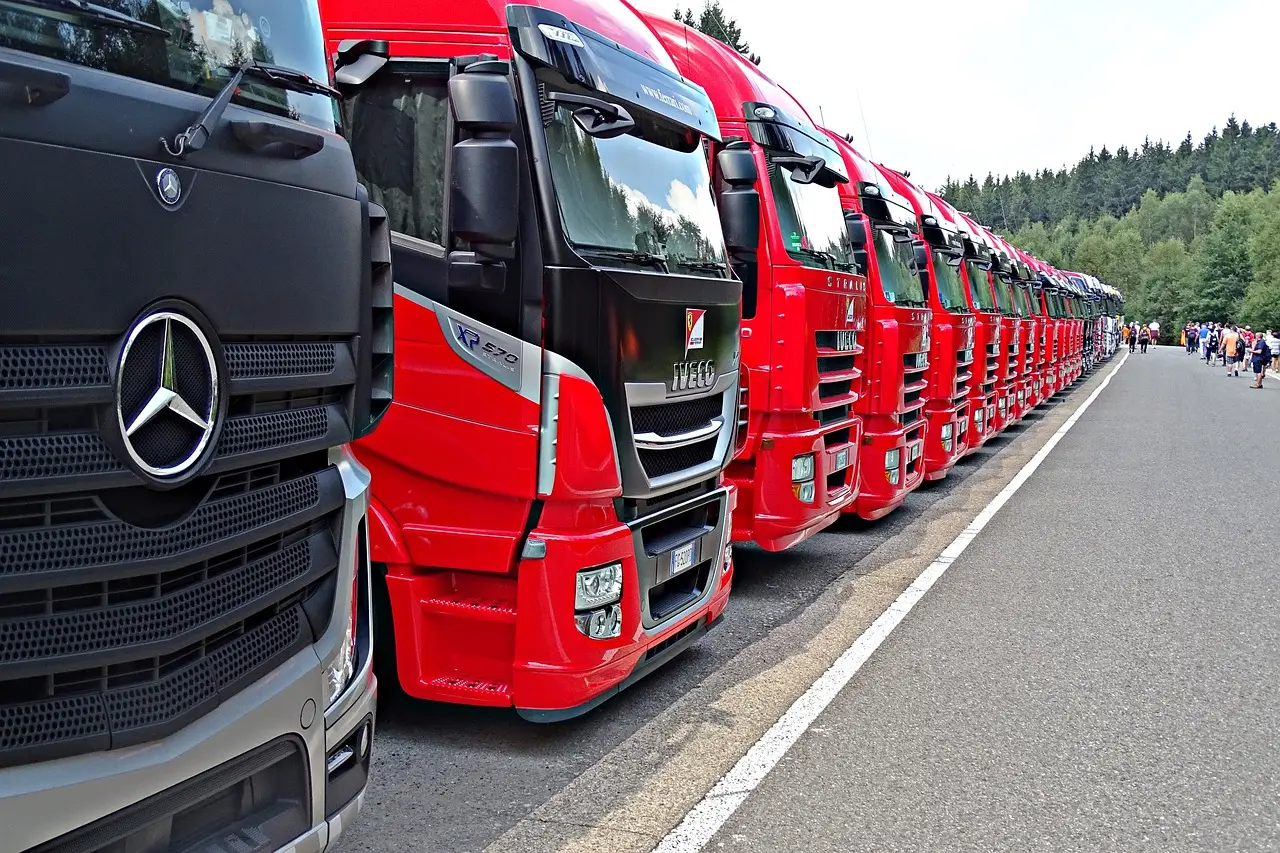
The finding upends a long-standing assumption in trucking. Fleets are adopting aerodynamic technology on day cab tractors more than ever as diesel prices have climbed over the past 12 months, NACFE found.
"Conventional wisdom was, day cabs, they're city tractors, they don't get up to speed. Aerodynamics doesn't work anyway under 50 mile an hour," NACFE Executive Director Mike Roeth told reporters at a Nov. 19 news conference. These are "myths," he said.
Why are day cabs suddenly aero-friendly?
The reason is simple. Less-than-truckload carriers do spend time on the freeway, Roeth said. The same truck can work a city during the day, run linehaul at night, and be spec'd for better aerodynamics and fuel efficiency in both duty cycles.
NACFE's Director of Engineering Yunsu Park, in an email, noted regional haul fleets generally buy the same technology as longhaul fleets at the same rate — with two exceptions: cab extenders and full chassis skirts. Both can be damaged in tight delivery circumstances, particularly when a driver backs a tractor into a downtown dock surrounded by cars, Roeth added.
The study, formerly known as the Fleet Fuel Study and now called The Fleet Efficiency Study, examined 86 different technologies targeting efficiency gains.
What technologies are fleets actually buying?
Adoption shifted sharply in two years. All participating fleets used in-cab cameras and set engine parameters for fuel economy in 2025 — up 25 and 32 percentage points respectively compared with 2023.
The biggest movers since the last study:
- Smart air dryers/compressors, up 149%
- Aluminum trailer wheels, up 95%
Battery-electric tractors may push regional haul efficiency further. NACFE noted they perform best on urban routes with frequent braking, or in operations using depots with overnight charging.
"Electric trucks actually love those duty cycles because of the regenerative braking, where they harvest off that waste heat from braking and bring it back into the battery pack," Roeth told reporters.
How did diesel climb the worry list?
Fuel prices leaped 17 spots to become the trucking industry's top concern in the American Transportation Research Institute's industry issues rankings in 2026. The cost of diesel ranked No. 1 for the fourth time in the survey's history — and was a top concern for drivers, including owner-operators, for the first time.
The efficiency gains are spreading beyond the biggest players. Fleets providing data for the 2026 study included J.B. Hunt, Ryder System and Schneider — ranked Nos. 3, 7 and 10 respectively on the Transport Topics Top 100 list of the largest for-hire carriers in North America.
Large carriers' focus on fuel efficiency and their willingness to buy newer equipment benefit the whole industry, Roeth said. All truck makers tout fuel efficiency gains when they introduce new or redesigned models. The entire North American truck population has improved sharply over the past five years, he said, because smaller carriers and owner-operators can now buy used trucks with better fuel economy.
What does NACFE recommend?
The council offered five recommendations for fleets evaluating efficiency technologies, including one aimed squarely at smaller carriers buying used equipment:
- Collect and monitor fuel consumption by vehicle
- Commit to and budget for an ongoing plan of mpg improvement
- If possible, develop a test route and designate a driver to test new technologies
- If purchasing used equipment, buy from fleets known for good fuel economy
- Allow for failure
The structural shift is worth watching: in 2010, 35% of study participants were classified as regional haul. In 2025 that share hit 57%. With diesel now the industry's top-ranked concern and record linehaul mileage already banked, NACFE's data suggests efficiency spending — and the technology adoption that follows it — will keep accelerating across both longhaul and regional operations.
Source: ttnews.com
More from James Calloway
Show full bio
Correspondent covering companies, deals and strategy in Ocean and air freight, container shipping at Waybill Wire.
1,018 articles
Related
Diesel Squeeze Pinches Truckers, Groceries in the Crosshairs
Sixteen US Trucking Operators Fail in One Month as Diesel Costs Hit Records
TL linehaul rates up 9.9% y/y as shipment counts post third straight gain
Diesel Tops Trucking's Worry List Again, ATRI Survey Finds
US Owner-Operators Hit by $1,000 Diesel Fill-Ups, NYT Reports