WW/TRADEPOLIC
U.S. proposes 20% China, 15% EU tariffs across 14 economies
The U.S. plans Section 301 duties on imports from 14 economies, with China at 20% and the EU at 15%; final action could come in January after public comment and negotiations.
- Desk
- Trade & Tariffs
- By
- Marcus Bennett
- Filed
- Length
- 762 words
- Read
- 4 min
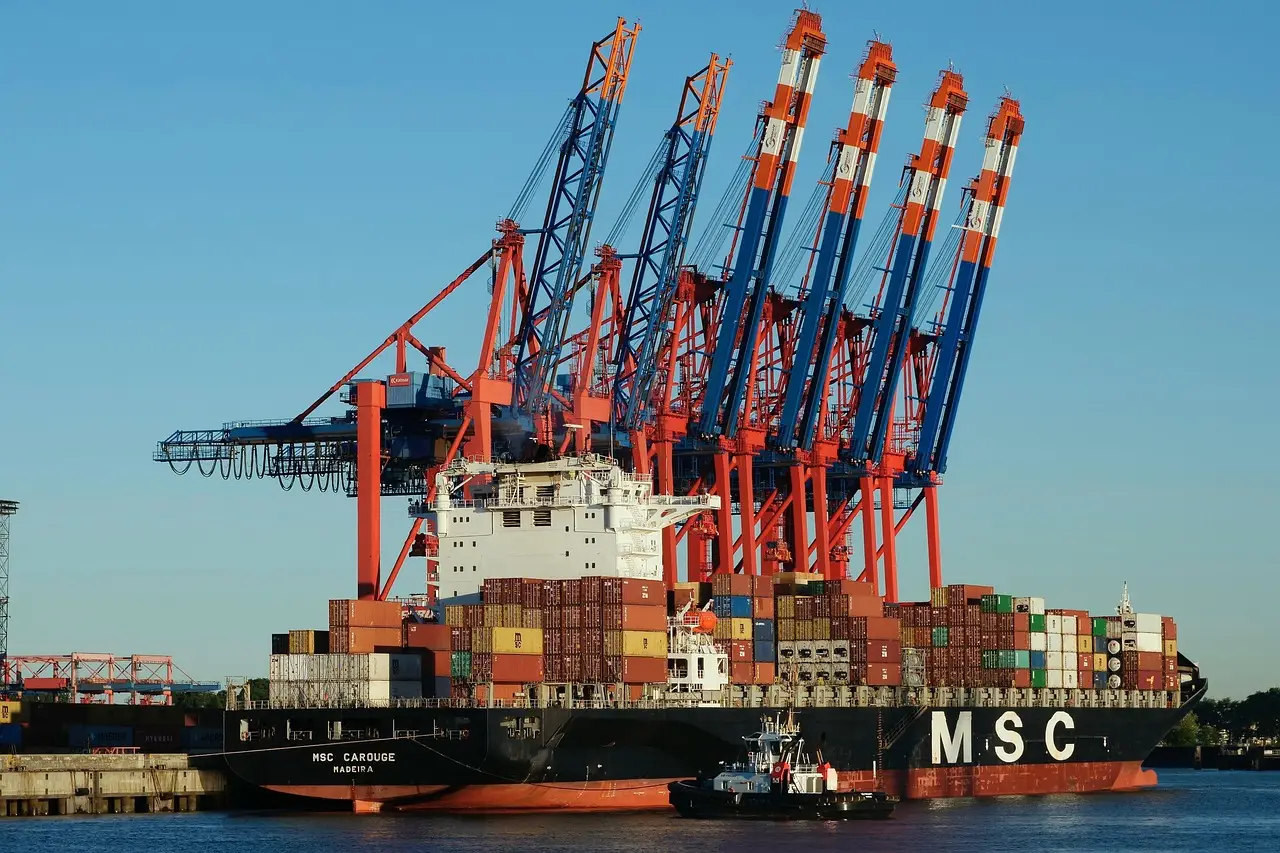
The United States announced on Nov. 25 new Section 301 tariffs for imports from 14 economies, including 20% on China and 15% on the European Union.
China’s proposed 20% rate matches its earlier agreement with the Trump administration, but a senior U.S. official said it could double to 40% if bilateral talks fail. The EU’s 15% rate complies with the U.S. bloc deal, though USTR says it could rise to as much as 20%.
A senior official said final action could come “as early as January,” but public comment and further negotiations could change both the rates and schedule. USTR said the administration considered existing trade agreements and expects final rates to remain consistent, generally no higher than agreed levels.
The plan follows the Supreme Court’s February decision striking down Trump’s earlier country-by-country tariffs as unconstitutional. Trump then turned to Section 301 of the Trade Act of 1974, which permits tariffs after an investigation into alleged unfair foreign trading practices.
A March probe into alleged excess manufacturing capacity supplied the new legal route. The process is seen as more legally sound and flexible than the emergency powers Trump previously used, though it takes longer.
Which economies face the new tariffs?
- China: 20% initially, potentially 40% if talks fail.
- European Union: 15%, potentially 20% according to USTR.
- Japan, South Korea and Switzerland: 15% each, with each rate potentially rising to 20%.
- India: 17% if a trade pact with Washington is finalized, potentially increasing to 25%.
- Covered economies: Bangladesh, Cambodia, China, the European Union, India, Indonesia, Japan, South Korea, Malaysia, Singapore, Switzerland, Taiwan, Thailand and Vietnam.
Similar expected measures for Mexico and Norway were not included, but the senior official said they remain under consideration. The administration says the tariffs target economies accused of overproducing in some U.S. industries and harming American companies.
What changes for shippers, carriers and forwarders?
For shippers, the duties raise the tariff component of landed cost on affected goods, while final product coverage and exemptions determine the actual bill. For forwarders, the unresolved variable is the product-and-origin mix behind each booking; for carriers, no service, booking or capacity change accompanies the proposal.
The announcement names no carrier or port and supplies no TEU, tonnage, port-call, freight-rate or vessel-deployment figures. It therefore cannot quantify lane-level demand, sailing changes or freight-rate effects. Any volume response depends on importer sourcing and the final rates, neither of which the administration quantified.
How do stacking rules and exemptions change the bill?
The new levy will not stack with existing 10% or 12.5% duties arising from a separate investigation into negligent enforcement of forced-labor laws. For products eligible for both sets, the senior official said “only the higher rate would apply.”
Exempted goods include oil and gas and food products that cannot be grown in the U.S. Other products already subject to sectoral duties, including tariffs on pharmaceuticals and critical minerals, are also exempt. For freight planners, these groups sit outside the new levy, but the announcement gives no share of affected traffic or commodity value.
Separately, the U.S. is modifying a previous Brazil investigation into the country’s digital policies and trade practices while raising tariffs on Brazilian imports. It will increase the out-of-quota tariff rate on raw and refined sugar and has proposed a 10% tariff on finished aircraft.
The Brazil action came weeks after Trump ally Flavio Bolsonaro lost his presidential election bid to progressive incumbent Luiz Inácio Lula da Silva.
Can trade partners absorb or answer the tariffs?
Every covered economy, including China, received advance notice, according to the senior official, so none of the actions would come as a surprise. Most economic partners have held back from retaliation, choosing instead to negotiate deals with Washington to minimize their tariffs.
The measure could also undermine the China trade truce between the world’s two largest economies. That truce expires in January unless Trump and Xi Jinping agree to extend it.
The administration pressed ahead despite American anger over the cost of living and disapproval of Trump’s economic management, conditions that helped Democrats to a landslide victory in the U.S. midterm elections.
That legal path is not risk-free. An earlier Section 301 forced-labor investigation produced duties on about 60 economies, and those duties now face legal challenges. By January, final notices, any extension of the China truce and partner retaliation decisions will show whether the proposed rates survive public comment and become the trade-policy baseline.
Source: ttnews.com
More from Marcus Bennett
Show full bio
Senior reporter covering regulation, policy and their impact on Ocean and air freight, container shipping at Waybill Wire.
1,033 articles
Related
U.S. readies fresh tariff hikes on China, EU goods as soon as Nov. 24
US-China trade board charts tariff relief for $60B in goods
Tariff Reversal Puts China-Plus-One Rerouting Into Reverse
US-China Tariff Relief Reshapes Landed Costs, Not Sourcing Strategy
China-US truce extended as Trans-Pacific spot rates top $8,400/FEU