WW/TRADEPOLIC
Trump imposes 100% tariff on imported drones and parts
Trump's 100% tariff on certain drone imports and components will reshape trans-Pacific air and ocean freight flows, with customs brokers bracing for a surge in classification work.
- Desk
- Trade & Tariffs
- By
- Elena Vasquez
- Filed
- Length
- 684 words
- Read
- 3 min
Key points05
- Trump administration imposed a 100% tariff on certain imported drones and components
- Order applies to 'some' drones, signaling narrow scope with expected carve-outs for agricultural, commercial and public-safety users
- Major trans-Pacific air and ocean freight lanes from Yantian, Ningbo and Shanghai face immediate repricing
- Drone electronics typically carry declared values above $50,000 per FEU on trans-Pacific routings
- Customs and Border Protection expected to publish implementing guidance within weeks
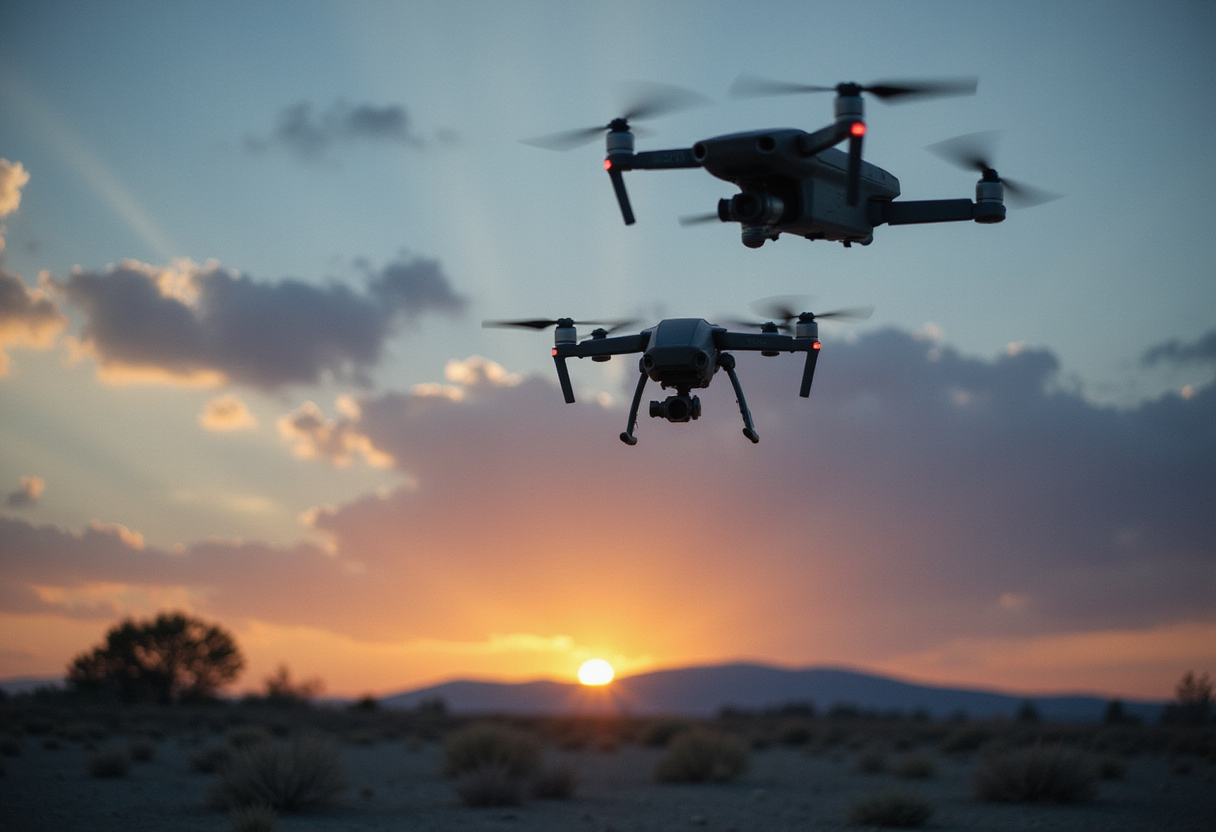
The Trump administration has imposed a 100% tariff on certain imported drones and their components, a rate that will effectively close the U.S. market to the world's dominant low-cost unmanned aircraft producers and force shippers to reroute cargo through compliant channels.
The executive action applies the punitive rate to finished unmanned aircraft systems (UAS) and component parts. The word "some" in the order language signals a narrow product line rather than a blanket prohibition, with commercial observers expecting carve-outs for allied-source goods and dual-use categories.
What's covered?
The order uses the phrase "some drones and components," signaling that finished articles and identified component parts fall under the duty while specific categories remain exempt. For freight and customs desks, the operative question is which product lines fall inside the 100% wall. Importers will need binding rulings and careful classification to determine whether their specific SKUs fall inside or outside the tariff scope.
The targeted categories likely include finished airframes, ground control stations, flight controllers, batteries, motors and radio-frequency modules. U.S. policy on small UAS has historically distinguished between consumer, commercial and public-safety use cases, and trade-policy watchers expect the new order to mirror that taxonomy.
How does it reshape freight flows?
A 100% landed-cost surcharge on a $500 consumer drone raises the duty bill above the wholesale price of comparable U.S.-built units, eliminating the price arbitrage that has driven category growth over the past three years.
Air cargo flows from Shenzhen and Guangzhou to LAX, JFK and ORD have carried the bulk of inbound UAS volume, with integrators and forwarders reporting steady double-digit growth in UAS tonnage. That cargo now faces an immediate commercial reckoning; integrators will need to re-price, re-route or cancel bookings as the duty is applied at the first port of arrival.
Ocean freight is also exposed. Finished drones and component parts moving under LCL and FAK bookings from Yantian, Ningbo and Shanghai to Long Beach, Savannah and Newark will see brokers repricing routings. With drone electronics typically carrying declared values well above $50,000 per FEU, the duty applies to a high-value, low-weight cargo stream that has grown steadily on trans-Pacific NVOCC services. Headline contract rates on these lanes are unlikely to move, but low-yield drone cargo tends to be among the first cut from consol programs when duty structures change.
What exemptions and workarounds exist?
Commercial observers expect the order to preserve carve-outs for agricultural operators, certified commercial Part 107 pilots, and emergency-response agencies — the same exemptions that have shaped prior drone-related trade actions. Allocating inventory through domestic distributors, applying for advance rulings, and shifting component sourcing to allied jurisdictions remain the principal compliance paths.
Forwarders and customs brokers are advising clients to suspend shipments pending formal guidance and to audit inbound purchase orders for affected SKUs. Classification questions, binding-ruling requests and duty-drawback filings are expected to dominate broker workflows over the next 60 days.
Commercial consequences
- For shippers: Hard-dollar landed costs on existing inventory will rise sharply once goods are entered, squeezing gross margin on consumer units sold at fixed retail prices. Larger commercial buyers with multi-year fleet replacement plans face the largest exposure.
- For carriers: Air and ocean carriers that have built UAS into their load forecasts will see discretionary volume migrate to electronics, apparel and e-commerce general cargo. The volume lost is small in tonnage terms but high in declared value per kilogram.
- For forwarders: Brokerage desks face a surge in classification questions, binding-ruling requests and duty-drawback filings. Advisory revenue should rise even as transactional freight revenue softens.
What happens next?
Customs and Border Protection is expected to publish implementing guidance in the coming weeks, clarifying which HTSUS lines fall inside the duty and how entries already in transit should be treated. Subsequent tariff actions on adjacent electronics categories — semiconductors, lithium batteries and radio modules — would compound the impact on inbound trans-Pacific flows and put further downward pressure on spot rates through the first quarter.
Source: Google News: tariffs and supply chain
More from Elena Vasquez
Show full bio
News editor covering industry trends and analytics at Waybill Wire.
262 articles