WW/TRADEPOLIC
Sanctioned Non-Ice-Class Tanker Makes Rare Late-Season Arctic Run
The 21,300-dwt Dakar, EU-sanctioned in July and carrying MTBE, is transiting Russia's Northern Sea Route in mid-October without ice-class strengthening, underscoring the rising use of sanctioned conventional tankers as the Arctic navigation window narrows toward November 15.
- Desk
- Trade & Tariffs
- By
- Amara Osei
- Filed
- Length
- 572 words
- Read
- 3 min
Key points05
- Dakar is 21,300 dwt, built 2004 in Spain, with no ice-class designation
- EU sanctioned the vessel in July; Ukraine lists it in the Russian shadow fleet
- Voyage is in mid-October, inside the July 1–Nov 15 window for non-ice-class NSR tonnage
- Cargo is MTBE loaded via ship-to-ship transfer off South Korea, heading to Russia
- Last year, non-ice-class Suezmax Lynx waited days at 72°N after encountering sea ice
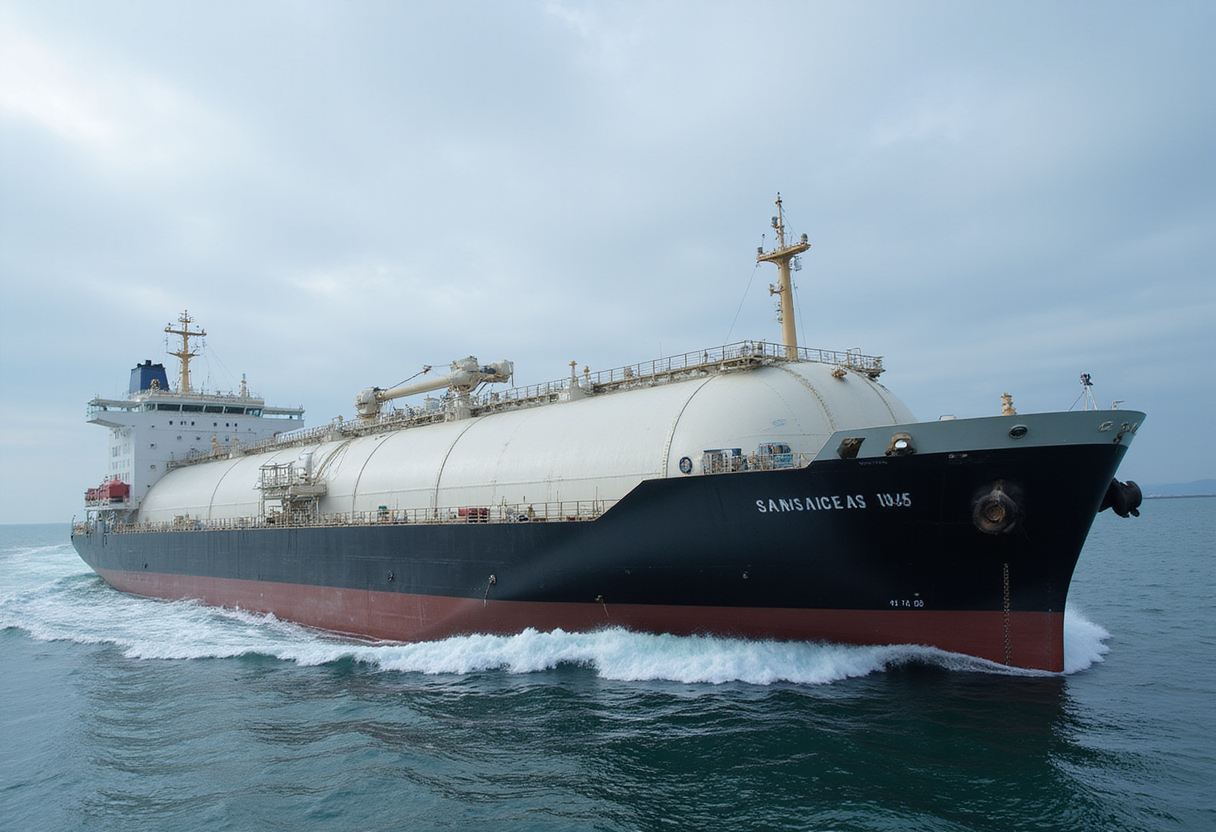
A 22-year-old, non-ice-class product tanker sanctioned by the European Union is sailing westbound along Russia's Northern Sea Route in mid-October, carrying methyl tert-butyl ether (MTBE) toward Russia after a ship-to-ship transfer off South Korea.
The 21,300-dwt Dakar, built in Spain in 2004 and formerly named Vulcano M, is moving through the Arctic as the seasonal ice window tightens. Ship-tracking data shows the vessel took the gasoline-blending component from another tanker in a ship-to-ship transfer off South Korea and is now tracking toward Russian ports along the Arctic coast. The vessel was renamed Dakar in 2024, is owned by Vulcano Marine SA, and is commercially managed by Dubai-based Ultramarine Navigation Management.
Why does this voyage stand out?
Three factors separate Dakar from typical NSR traffic: age, ice capability, and sanctions status. The EU sanctioned the vessel in July, identifying it as engaged in transporting Russian-origin petroleum products and in irregular or high-risk shipping practices. Ukrainian authorities have separately listed the tanker among Russia's so-called shadow fleet, citing previous voyages from Russian Black Sea ports.
Dakar carries no ice-class strengthening. Russia's NSR regulations do not categorically ban conventional vessels, but they confine non-ice-class tonnage to a window running July 1 to November 15, with permissions contingent on location, ice conditions, and icebreaker availability. Restrictions tighten as the ice pack builds.
What are the commercial stakes?
Russia's Arctic oil trade runs predominantly on Arc4 and higher ice-class tankers. Conventional tonnage has increasingly been used only during the relatively ice-free summer window. By mid-October, the eastern sections of the route face the most difficult ice conditions of the year.
For owners of older, sanctioned product tankers, the calculus is simple: completing a late-season laden voyage now is cheaper than layup until next summer, even after paying icebreaker escort and insurance premiums. For charterers, the trade is shifting Russian petroleum volumes away from Western-insured, ice-class tonnage and onto opaque ownership structures operating outside the G7 price-cap framework.
What happened on a comparable voyage last year?
The 2024 case of the Suezmax Lynx illustrates the risk profile. The non-ice-class vessel, carrying Russian crude toward China, waited several days after encountering sea ice near 72 degrees north. Russian authorities dispatched icebreaker support, underscoring the marginal conditions under which conventional tonnage can complete an Arctic transit once October arrives.
What does the data show about conventional tankers in the Arctic?
Bellona's monitoring of Russia's Arctic shipping has flagged Dakar among a small but growing cohort of conventional tankers — many sanctioned or operating under opaque structures — entering the region. These vessels remain a minority of total NSR transits, but their share has grown alongside the broader expansion of shadow-fleet operations moving Russian crude and products to buyers in Asia.
How long can Dakar stay on the route?
Under NSR rules, non-ice-class tonnage must exit or seek icebreaker escort as conditions deteriorate. With the November 15 regulatory backstop approaching and eastern Arctic ice already expanding, the Dakar's westward passage becomes a race against the calendar. Watchers will track whether the vessel clears the route to a Russian discharge port, diverts, or waits at anchor for icebreaker support — an outcome that would expose the limits of conventional tonnage on late-season Arctic voyages.
Source: gCaptain
More from Amara Osei
Show full bio
Staff writer covering marketplaces and e-commerce at Waybill Wire.
257 articles
Related05
UK Sanctions Eight Russian Ships in Latest Crack on Energy Trade
Busan's IOB Picks Up Four Arc4 LNG Carriers, Targets Arc7 Expansion
Shadow-Fleet Traffic on Northern Sea Route Already Exceeds 2025
Trafigura buys seven SFL tankers, books $175M gain as reroutings lift values
Indian Refiners Drop Russian Crude as Urals Premiums Top $10