WW/AIRCARGO
SAHCO rolls out x-ray and trace-detection screening for air cargo
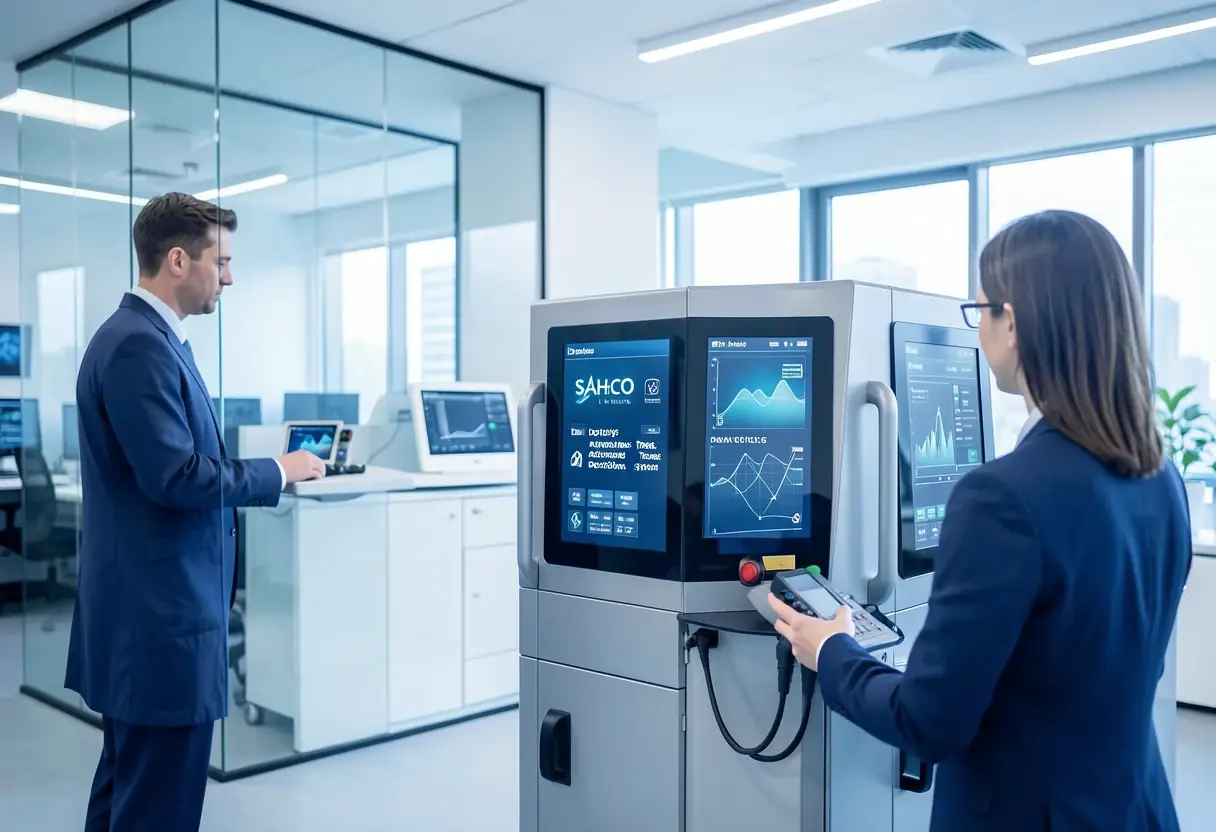
SAHCO has deployed advanced x-ray and trace-detection systems across its air cargo operations, tightening screening standards at one of West Africa's busiest handling hubs.
- Desk
- Air Cargo
- By
- Tom Whitfield
- Filed
- Length
- 550 words
- Read
- 3 min
Key points04
- SAHCO has deployed advanced x-ray and trace-detection systems for air cargo screening
- The systems strengthen detection of contraband, dangerous goods and security threats before loading
- SAHCO handles cargo for international carriers operating into and out of Nigeria
- Compliant screening is required under EU ACC3, TSA and ICAO regimes for export freight
Skyway Aviation Handling Company (SAHCO) has deployed advanced x-ray and trace-detection systems across its air cargo operations, moving to tighten screening standards at one of West Africa's busiest handling hubs.
The Nigerian ground handler, which serves international carriers operating into and out of Lagos and Abuja, said the new equipment strengthens its ability to detect concealed contraband, dangerous goods and security threats before freight is loaded onto aircraft.
What does the kit actually do?
X-ray screening gives operators a view inside consolidated shipments without breaking them down piece by piece. Trace-detection equipment works the other way round: it samples surfaces and particles to flag explosive or narcotics residue that an image alone won't reveal. Run the two together and you cover both the visible and the chemical signature of a consignment.
That combination matters for air freight specifically. Cargo moves in dense, sealed units — pallets, ULD containers, consolidated builds — and manual inspection slows the warehouse to a crawl. Automated screening keeps dwell times down while raising detection rates.
Why SAHCO is investing now
For a ground handler, security screening is not optional. Carriers flying into Europe, the US and the Gulf operate under regimes — the EU's ACC3 requirements, TSA rules for US-bound freight, ICAO standards — that demand certified screening of cargo before loading. A handler that cannot demonstrate compliant screening risks losing the airline contracts that underpin its business.
So the commercial logic is straightforward. SAHCO invests in detection capability, keeps its screening certifications current, and preserves its position as a handling partner for foreign carriers serving Nigeria. Shippers and forwarders routing freight through SAHCO's facilities get a facility that can screen to the standard destination regulators expect, without re-routing cargo through third-party screeners.
What changes for shippers and forwarders?
In practical terms, three things.
- Fewer bottlenecks at acceptance, because x-ray screening replaces much of the physical inspection that builds queues in the warehouse.
- Lower risk of shipment holds on security grounds, which is the delay that hurts most — freight that misses its booked flight.
- Stronger documentation standing with carriers and destination authorities, since screening records from compliant equipment carry weight at the other end.
There is also a narcotics dimension. Nigeria remains a known origin risk for drug concealment in air freight, and trace detection is the tool built for exactly that threat. Every shipment intercepted at the warehouse, rather than at a destination airport, protects the handler's and the carrier's licence to keep flying the lane.
The bigger picture
The investment fits a wider pattern. African air cargo volumes have grown as carriers add belly capacity and freighter services across the continent, and regulators have responded by tightening cargo security enforcement. Ground handlers from Nairobi to Accra have made similar equipment upgrades in recent years, because the alternative — non-compliant screening — prices them out of international airline contracts.
For SAHCO, the calculus is defensive as much as ambitious. Screening technology is table stakes for a handler that wants to keep the carriers it has and win the ones expanding into Nigeria.
The move signals where the market is heading: expect screening capability, not just warehouse throughput, to become the deciding factor in ground-handling contract awards at Nigerian airports as security compliance tightens further.
Source: Google News: air cargo
More from Tom Whitfield
Show full bio
Market editor covering companies, deals and strategy in Ocean and air freight, container shipping at Waybill Wire.
524 articles
Related05
Cathay Cargo turns to AI-assisted screening for trade compliance
SAHCO: Collaboration and Infrastructure Hold the Key to Nigeria's Air Cargo Push
DCSA Track & Trace 3.0.0 Opens Container Visibility to IoT and Reefers
80% of Dangerous Goods Incidents Involve Undeclared Cargo
IATA Pushes Multi-Layered Controls on Undeclared Dangerous Goods