WW/OCEANFREIG
Russian Drone Strikes Hit Cargo Ships and Port Infrastructure in Ukraine
Russia's defense ministry says drone strikes hit two Odesa-bound cargo vessels, Kiliya port military stores and logistics hubs across Ukraine, keeping Black Sea war-risk premia elevated.
- Desk
- Ocean Freight
- By
- Elena Vasquez
- Filed
- Length
- 568 words
- Read
- 3 min
Key points03
- Russia's defense ministry said overnight and daytime drone strikes on Sept. 28 hit two cargo vessels carrying or bound for Odesa port, one reportedly loaded with military and dual-use goods.
- Strikes also targeted logistics hubs in Kyiv and Odesa regions, drone storage in Mykolaiv, military stores in Kiliya port, and data centers in Kyiv.
- Reuters could not independently verify the claims; Kyivstar confirmed its head office was struck with no casualties.
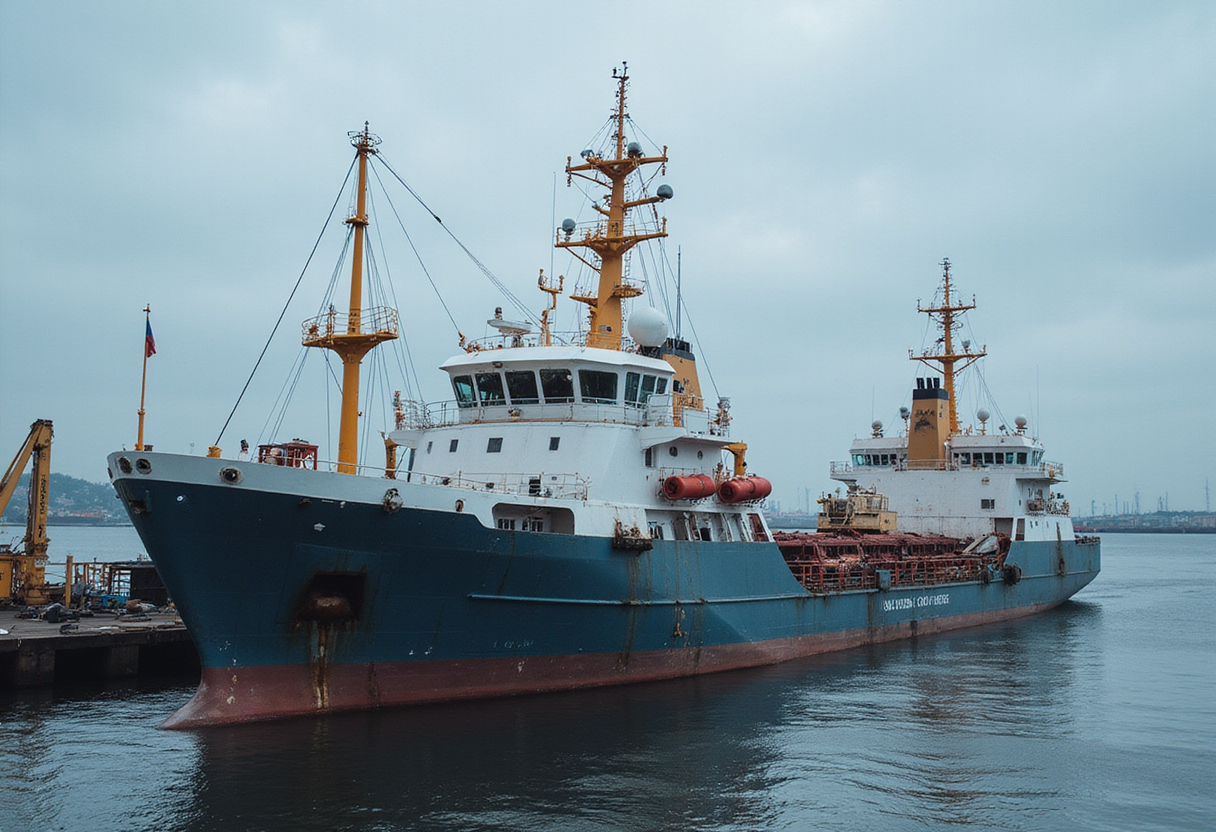
Russia's defense ministry said its forces struck two cargo vessels headed for the port of Odesa in overnight and daytime drone attacks on Sunday, Sept. 28, alongside hits on logistics hubs, port facilities and transport infrastructure across Ukraine.
The first vessel, according to the ministry, was carrying military and dual-use goods to Odesa when it was struck during the overnight wave. A second cargo ship bound for the same Black Sea port was hit in a follow-up series of strikes later on Sunday. Moscow said both vessels were linked to the Ukrainian military. Reuters could not independently verify the claims.
The overnight attacks struck a broad set of logistics and communications targets. The ministry listed a data center in Kyiv, logistics hubs in the Kyiv and Odesa regions, two drone storage sites in Mykolaiv, the headquarters of a naval base and of Ukraine's State Border Guard Service, and military stores in Kiliya port, a Danube river gateway south of Odesa.
The daytime strikes added two more data centers in Kyiv and another logistics hub in Odesa to the target list.
For shippers and forwarders working Black Sea and Danube corridors, the reported strikes cut across the two main freight routings that have kept Ukrainian export and import volumes moving since Russia withdrew from the Black Sea grain initiative. Odesa handles the deep-sea container and bulk traffic; Kiliya sits on the Danube delta cluster — Izmail, Reni, Kiliya — that absorbed displaced cargo in 2022–23 and has since drawn repeated Russian targeting.
A strike on military stores inside a Danube port, if confirmed, would mark another hit on infrastructure that commercial operators also use. Carriers and insurers pricing Black Sea risk already apply war-risk premiums to calls at Ukrainian ports; each strike on port-level assets tends to sustain those premia and keep some tonnage on standby outside territorial waters while damage is assessed.
Kyivstar, Ukraine's largest mobile service provider, told local media its head office was struck in the attacks but that there were no casualties. Damage to telecoms infrastructure adds a second-order risk for logistics operators, since tracking, cargo release and customer communications in the affected regions can degrade even when freight itself is untouched.
Moscow framed the strikes as aimed at military and dual-use logistics: the ministry said the targets included communications centers and vessels it linked to the Ukrainian armed forces, not purely commercial traffic. That distinction matters for carriers. Under war-risk underwriting, the declared nature of cargo — and whether a shipper discloses dual-use goods — directly affects cover, and strikes on vessels carrying such cargo raise the compliance stakes for forwarders booking into Odesa.
Neither the ministry nor Ukrainian authorities released details on the tonnage, flag or operator of the two struck vessels. Without that, the immediate commercial read is limited to risk pricing and routing: expect continued elevated insurance costs for Black Sea calls, more transshipment via Constanța and other Romanian ports, and tighter scrutiny of cargo manifests for Ukraine-bound sailings.
The pattern of strikes — ports, logistics hubs and now data centers in a single 24-hour window — points to a sustained campaign against Ukraine's supply and communications backbone rather than a one-off escalation. Until independent verification or ship-level details emerge, operators will treat Odesa and the Danube cluster as live-risk destinations with rates and premiums reflecting that status.
Source: gCaptain
More from Elena Vasquez
Show full bio
News editor covering industry trends and analytics at Waybill Wire.
144 articles
Related05
Tanker Ablaze in Strait of Hormuz as Attack Count Outpaces Reporting
Three More Tanker Attacks Surface in Delayed Hormuz Reports
Italian Dockers Stage 24-Hour National Strike Across Major Ports
Shadow-Fleet Traffic on Northern Sea Route Already Exceeds 2025
Hormuz Incident Record Is Falling Apart as Attacks Surface Days Late