WW/OCEANFREIG
Russia Opens Arctic Grain Route With First Murmansk Shipment
Russia has loaded its first Arctic grain shipment at Murmansk, while Baltic ports handled 1.2 million tons in September, over 60% of seaborne grain exports.
- Desk
- Ocean Freight
- By
- Elena Vasquez
- Filed
- Length
- 773 words
- Read
- 4 min
Key points05
- On Oct. 28, 3,400 metric tons of grain began loading at Murmansk in Russia’s first Arctic grain shipment.
- Around 28,000 metric tons of wheat are due on a Murmansk-to-Casablanca voyage.
- Baltic ports handled 1.2 million tons in September, over 60% of seaborne grain exports.
- Murmansk lies almost 2,000 kilometers north of Moscow and can be approached through neutral waters.
- Russia withdrew from the Black Sea Grain Initiative in 2023.
By Elena Vasquez
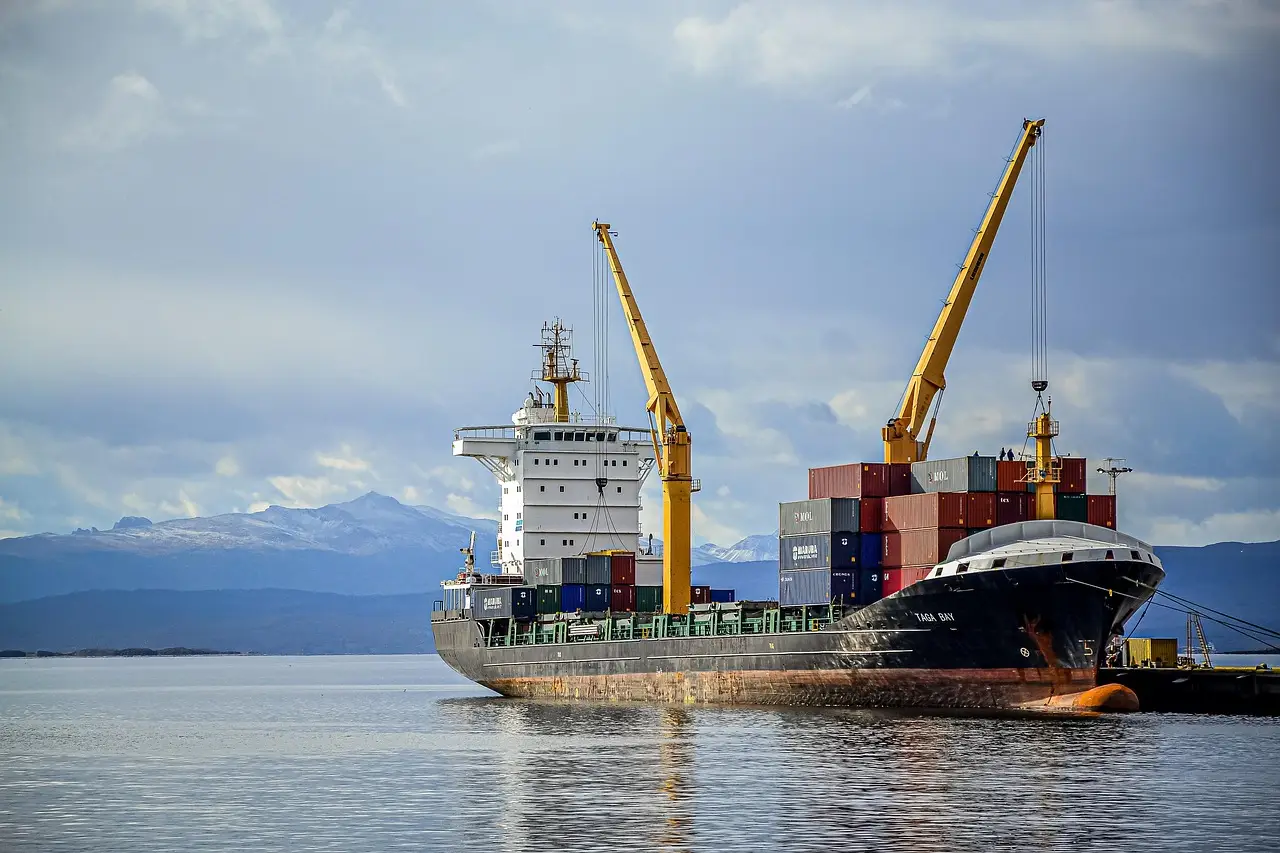
A 3,400-metric-ton grain shipment is loading onto a vessel at Murmansk Commercial Seaport, marking Russia’s first use of an Arctic route for grain exports.
On Wednesday, Oct. 28, Murmansk Commercial Seaport and Demetra Holding—one of Russia’s largest trading firms—said a vessel was taking grain from “key agricultural regions.” The shipment comes as Russia and Ukraine have attacked each other’s ports and vessels since the new grain-marketing season began in July, stopping once-booming Black Sea agricultural trade.
Russian officials have sought to retain key grain customers in the Middle East and Asia. They rerouted most exports toward Baltic Sea ports, subsidized rail transport from fertile southern regions and have now added Murmansk as an Arctic option.
What does the Arctic route change?
Murmansk lies almost 2,000 kilometers (1,240 miles) north of Moscow near the border with Norway, and vessels can approach it through neutral waters. Allied convoys used the port during World War II to deliver goods to the Soviet Union. The new cargo corridor follows that wartime geography, but the announcement did not disclose what the route costs.
“At a time when traditional export routes are facing restrictions, Murmansk Commercial Seaport is swiftly opening up an alternative route to foreign markets for Russian farmers,” the port said.
For exporters, the immediate benefit is another ocean outlet when Black Sea loading faces attack-related disruption. Subsidized rail links connect southern grain areas to the northern port, while the sea leg gives carriers and forwarders another origin for overseas bookings. Neither the port nor Demetra disclosed a freight rate, sailing schedule or vessel capacity, so the announcement establishes availability rather than pricing.
Where is the larger Murmansk cargo headed?
Shipping data and a market source indicated that around 28,000 metric tons of wheat were due to be loaded at Murmansk aboard a vessel bound for Casablanca, Morocco. The destination extends the Arctic option beyond Russia’s traditional grain customers in the Middle East and Asia to a North African discharge.
The cargo schedule signals commercial interest in the corridor, but the source did not name the carrier or provide an arrival date. For shippers and forwarders, the booking creates another port pair to evaluate, yet any comparison with Black Sea freight requires rates and transit times that the announcement did not supply.
How much has grain traffic shifted to the Baltic?
Baltic Sea ports handled 1.2 million tons of Russian seaborne grain in September, accounting for more than 60% of all seaborne grain exports. Russia has rerouted most of its grain trade to those ports, giving the region more than a temporary overflow role.
Companies have repurposed fertilizer and coal terminals to handle grain. The conversions add practical loading options for exporters and carriers, while the 1.2-million-ton September concentration makes Baltic berth availability and political stability more consequential for forwarders. Shippers also face greater dependence on routes and policies tied to the Baltic, even as Murmansk broadens the physical options.
Why is the Arctic corridor still exposed to geopolitical risk?
All countries with access to the Baltic Sea except Russia are NATO members. Some Kremlin officials have warned of possible hostile actions by European NATO countries, adding a political risk to a corridor already carrying more than 60% of Russia’s seaborne grain exports.
Russia’s relations with Europe have deteriorated in recent months as the Kremlin accused European governments of direct military involvement in the Ukraine conflict. European governments rejected those accusations, saying their military and financial support for Ukraine was intended to help Kyiv defend itself. The unresolved dispute leaves carriers without a settled political basis for long-term Baltic routing assumptions.
Can the Black Sea route reopen?
Turkey, an importer of Russian grain, recently led efforts to secure a ceasefire and resume Black Sea shipments. Russia said it was no longer interested in a new Black Sea grain agreement. That position leaves exporters without the Black Sea access restored by the earlier agreement.
Turkey and the United Nations helped mediate the Black Sea Grain Initiative, agreed in July 2022 to permit safe Ukrainian grain exports through the Black Sea. Russia withdrew in 2023, complaining that obstacles faced its own food and fertilizer exports. That withdrawal, followed by Russia’s rejection of a new deal, keeps Arctic and Baltic gateways central to Russian grain planning.
Looking ahead, the key policy test is whether Moscow returns to a Black Sea grain agreement; if not, Murmansk and converted Baltic terminals are likely to remain central to Russia’s seaborne grain capacity rather than temporary overflow.
Source: gCaptain
More from Elena Vasquez
Show full bio
News editor covering people, launches and day-to-day practice in Ocean and air freight, container shipping at Waybill Wire.
679 articles
Related05
Latvia Becomes Top-Five Exit Route for Russian Grain Despite EU Ban Talk
Northern Sea Route Logs Record 104 Transits and First Arctic Liner Service
Latvia Urges EU to Block Russian Grain via Baltic Ports
Russian Arctic Oil Flows Up Nearly 50% as Freight Crisis Bites
Baltic Grain Loadings Surge Fivefold as Estonia, Latvia, Lithuania Seek EU Transit Ban